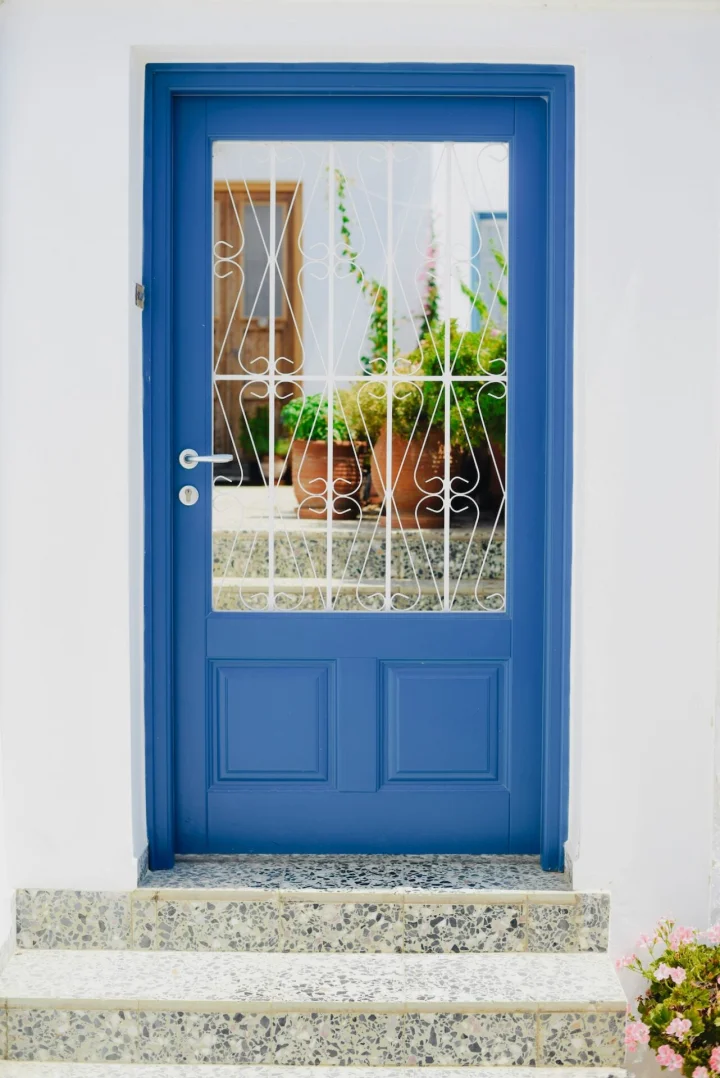
Corfu
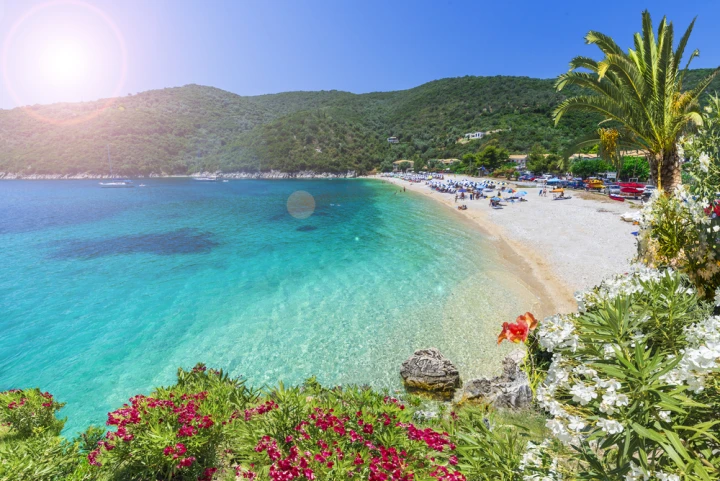
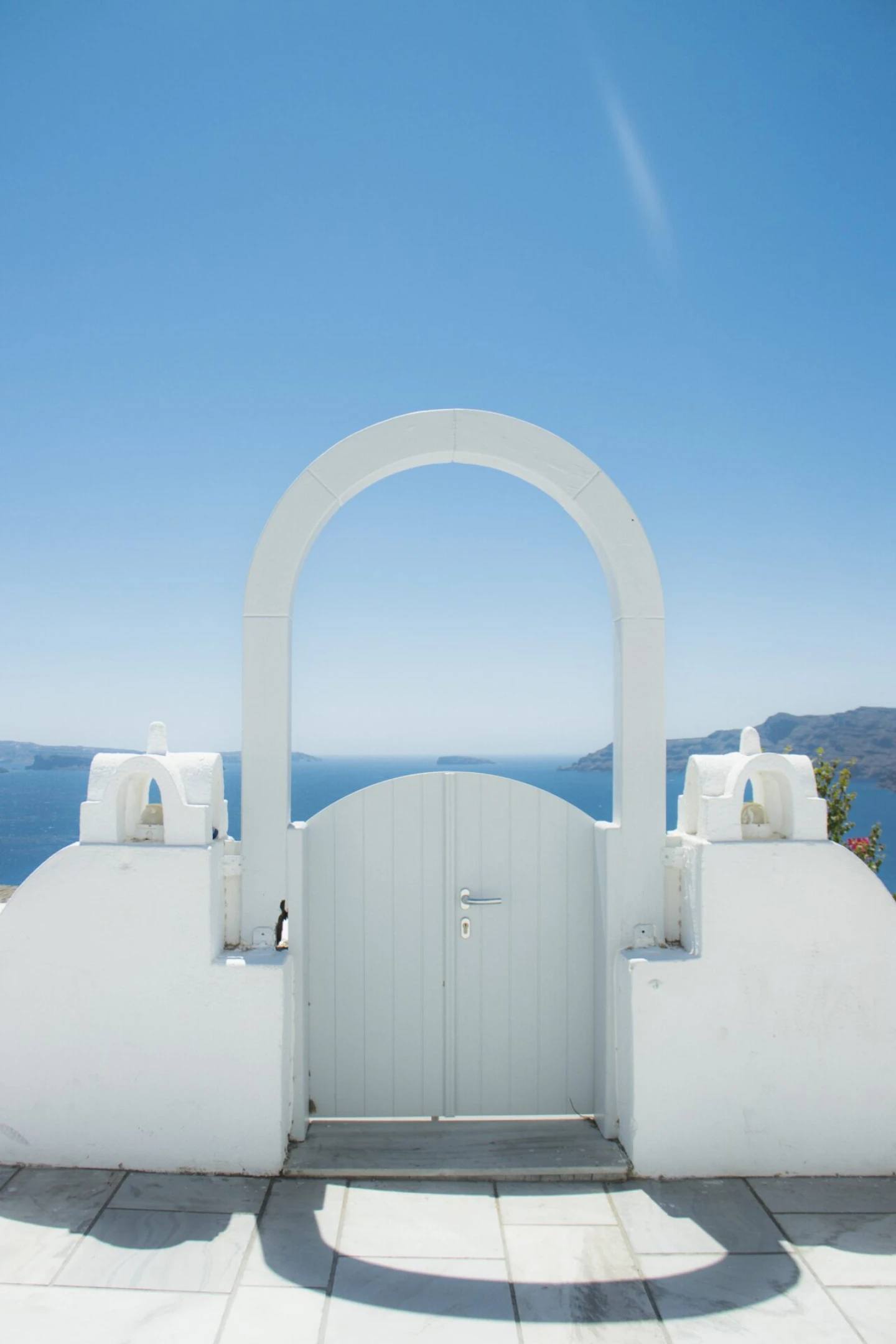
This doorway is found on the island of Corfu. You’ll notice that it doesn’t look like a lot of other areas of Greece, because it is in the Ionian island chain. The islands of the Ionian in the western area of Greece are unique. They include Corfu, Paxos, Lefkas, Ithaca, Cephalonia, Zakynthos, and Kythira. These are the biggest islands in the Ionian chain, but there are also smaller islands like Antikythira, Antipaxi, Ereikousa, Mathraki, Othonoi, Meganisi and Strofades. These destinations are known for their temperate climate, beautiful beaches, and historical sights. Historically, the Ionian islands are the only part of the Hellenic world that did not fall to the Ottomans after 1453, when Constantinople and the Byzantine Empire fell. Corfu Town is the perfect example of the Ionian architecture that was influenced by the Italian Renaissance. The historic buildings, palaces, and churches in the historical center of Corfu Town are the reason why Corfu Town has a UNESCO Heritage distinction.
Chania
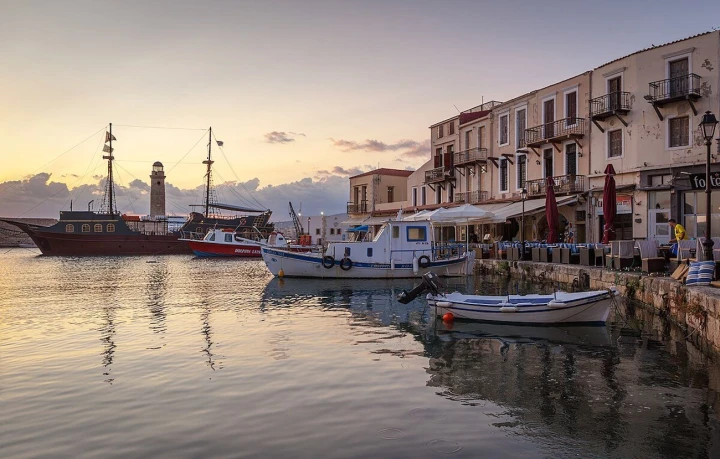
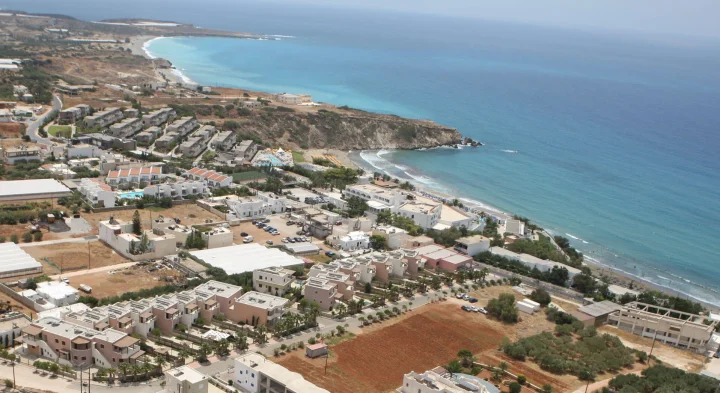
The architecture of Chania is unique both to the island of Crete and the country of Greece as a whole. It features influences from Ottoman, Venetian, and local styles. Each neighborhood has a unique mix of these architectural styles. The Yali Mosque is one of the most visited sites in Chania and is a great example of Ottoman Architecture from the 1600s. It is the oldest structure from the Ottoman period in the city. The charming countryside of Crete is known for its stone houses, watermills, and fountains. These are mostly found on the outskirts of Chania and in the rural areas, because Chania has since been built up. If you’re looking for other adventures in the local area of Chania, it’s worth taking a trip to the southern coast of Crete. There, you will find the beautiful fishing village of Loutro, which is known for its white buildings and scenic bay of Loutro.
Thessaloniki
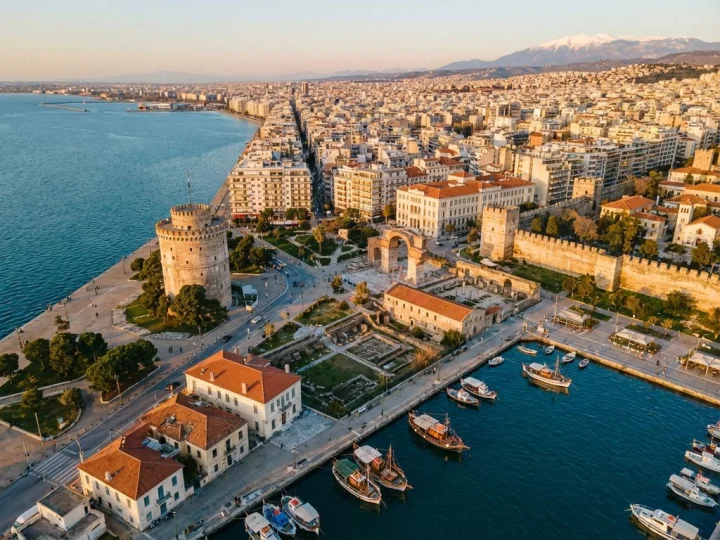
Thessaloniki is the second biggest city in Greece, located in the north of the country, in the region of Central Macedonia. At times, Thessaloniki natives referred to the city as the “co-capital”, not to propagate the popular cultural rivalry with Athens but rather to highlight the historical importance of the city, which was considered the co-capital of the Byzantine Empire because of the strategic positioning the port of Thessaloniki enjoyed. Folklore aside, Thessaloniki’s rich history is evident around almost every corner. Nowadays, however, the city is not only favoured by history aficionados, but the city’s vibrant cultural life attracts over 7.9 million visitors annually!
Within the city’s centre, one can find 15 UNESCO World Heritage Monuments, most of which are Early Christian and Byzantine churches. Remarkable is the Rotunda, an impressive round building decorated with marvellous mosaics, which initially functioned as the mausoleum of Roman Emperor Galerius but was converted to a church and later a mosque and is used today due to its excellent acoustics as a unique cultural centre.
Hydra
Hydra is one of Greece’s car-free islands. Many travelers only visit the most touristed islands, like Santorini and Mykonos. In fact, Greece has thousands of islands to explore besides the most well-known “Instagrammable” spots. Based on a recent report, the precise number of islands of any size in Greece, inhabited or uninhabited, is 29,372. Many of Greece’s smallest inhabited islands do not have cars, which gives them a charm that cannot be found in the most touristed islands and certainly not in the big cities. The island of Hydra is very steep, and the only form of transport is mules that are found in the port. Neither cars nor motorcycles are allowed here. The silence is broken only by the mules' steps on the cobbled streets and the occasional church bells ringing. Architecturally, you will not find white and blue houses like in the Cyclades, but likely Hydra's characteristic mansions.
Serifos
Serifos is a Greek island in the western Cyclades, and it is one place in Greece where cave houses are becoming more popular. Cave houses, called υπόσκαφα (iposkafa) in Greek, have long been built, with the most well-known ones being on the island of Santorini. They were often two-room houses comprising a kitchen and bedroom built into cliff edges, though a number of churches and storage areas have also been built in the same manner. In a concept that involves building a home into the earth, the idea has been around for as long as humans have been seeking shelter. But it offers a bunch of very modern benefits. The houses provide large cost savings, room for innovative world-class designs, and spacious facilities that let in plenty of golden Greek sunlight. An underground house designed on the rocky island of Serifos has earned MOLD architects global recognition as it received various distinctions, including a nomination for the Mies Van Der Rohe Award (2016 and 2021) and a finalist position for the IDA Interior Award 2021. Find out more about the house here.
Kalymnos
The picturesque island of Kalymnos can be found between the islands of Kos and Leros, in the Dodecanese. Visitors come from all over the world to experience its natural beauty, delicious seafood, quaint alleyways, and, naturally, the local sponges. Sponge diving has been practiced on this island for centuries as a local trade. The port town of Pothia is the capital of the island and is a gathering place for lovers of Greek architecture. It is full of old mansions, captains’ houses, and small one-bedroom townhomes from the 19th century that used to be the dwellings of –you guessed it– the local sponge divers. Kalymnos’s traditional sponges are just one example of a local Greek island product. Chios is known for its Masticha, Lesvos for its ouzo, and Symi for its shrimp.