Why is it Called Bright Week?
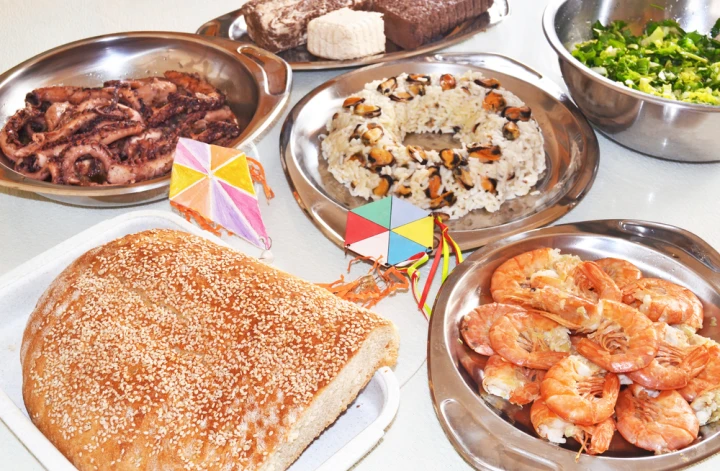
In ancient times, after Easter, it was a tradition to wear all white for a week after Easter. So, it also used to have the name “White Week.” According to tradition, bright week lasts one week, but it seen as one day - a celebration of Easter until the next Sunday, which is also known as Thomas Sunday. The theme of the week is singing, music, and celebration. Also, for many Orthodox Christian Greeks who have been fasting from certain foods during the Lenten period (40 days before Easter), it is one week when usually a lot of meat is eaten.
History of Bright Week
Back in the Roman Empire, particularly in Constantinople, Bright Week was a very big celebration where the emperor would call the poor to a rich meal, and many gifts were given out. In some cases, prisoners with small crimes were allowed to go free. Today in Greece, a version of this tradition still happens, with state officials visiting hospitals and military camps.
Bright Monday
In many areas of Greece, the Easter celebrations continue to Monday, with more feasting and dancing. In some areas, Greeks visit the graves of dead relatives and leave red eggs on their tombstones. In Northern Greece, some Greeks will ride a swing on this day, symbolizing health and a big harvest. On Bright Monday on Mount Athos, a holy center for Orthodox Greeks, some monasteries carry their icons around the mountain, returning the next day on Tuesday.