20.10.2026
The Most Famous Homes in Greece
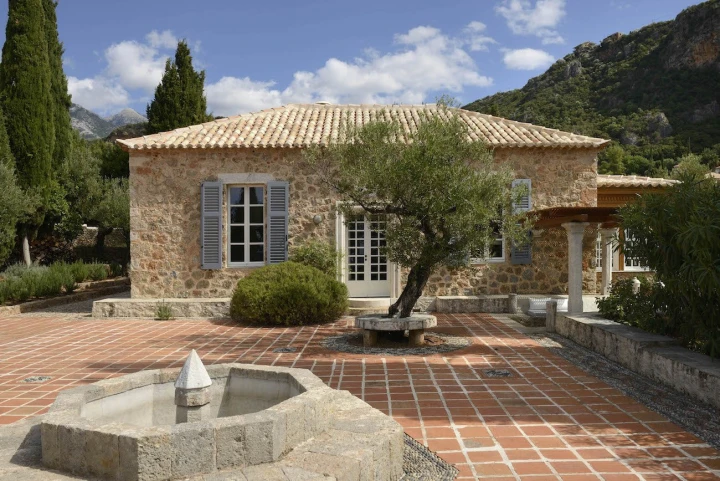
There are some houses in Greece that gain fame because of the people who lived in them, such as writers and musicians, or even... a king!
History & Culture
09.12.2025
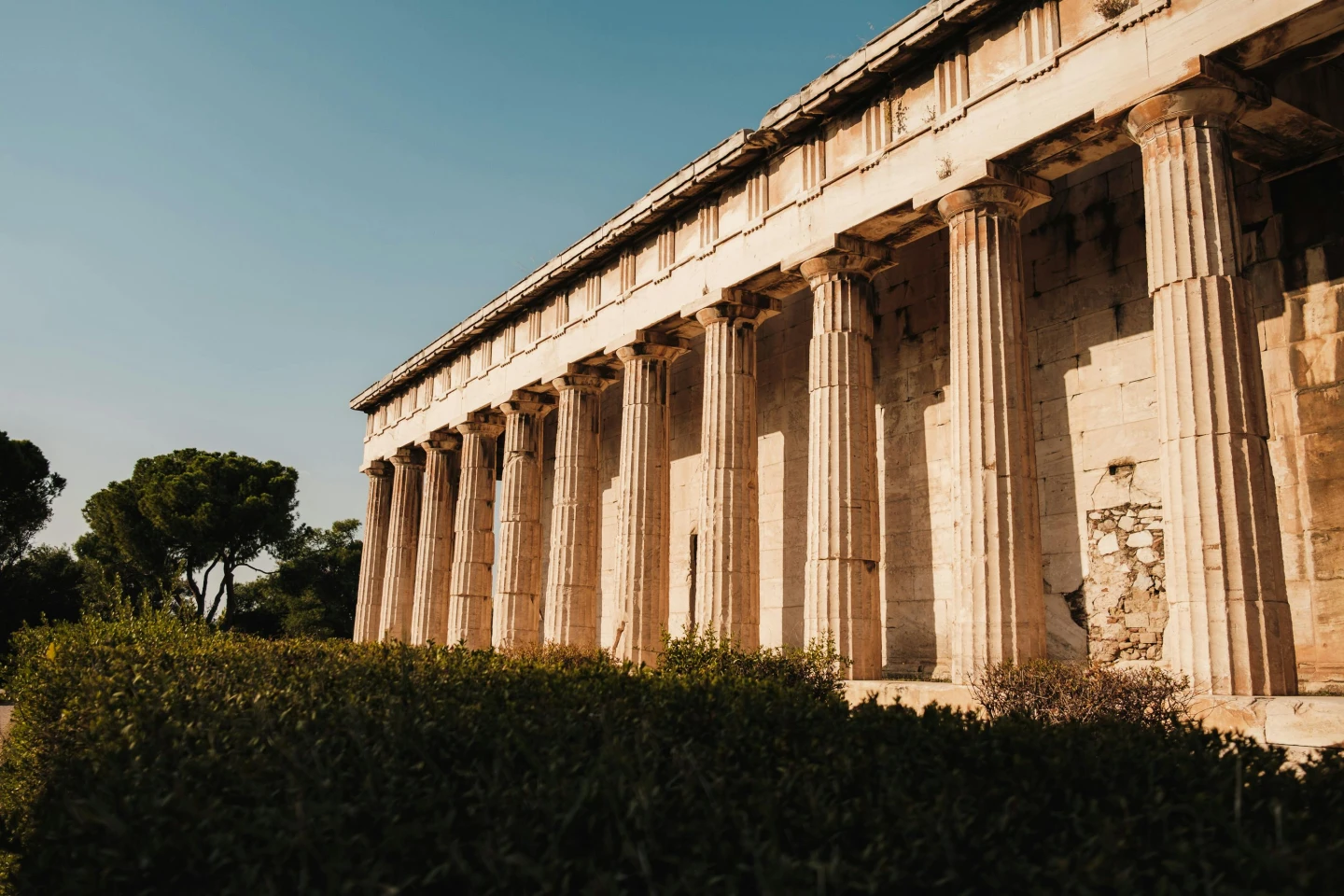
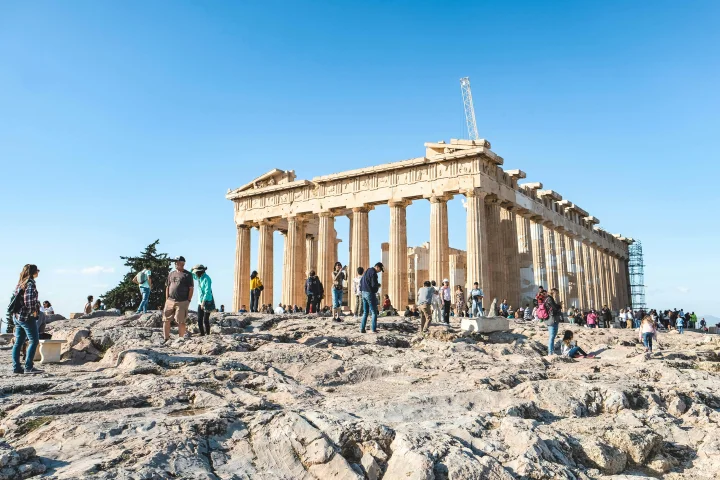
Greece’s archaeological sites have always been one of the country’s greatest strengths, like a bridge between the past and the present, and a cornerstone of national identity. But a new nationwide survey conducted by research firm PULSE on behalf of the Ministry of Culture shows that these monuments are far more than cultural landmarks. They significantly influence quality of life, drive economic development, and shape how Greeks connect with their own history. The findings, based on the responses of 1,062 adults across Greece, reveal exceptionally high satisfaction levels with archaeological sites and museums. They also highlight how modern upgrades, better services, and ongoing investments are transforming the visitor experience.
One of the most remarkable outcomes of the survey is how deeply Greeks feel connected to their heritage.
- 50% visit archaeological sites occasionally (1–2 times per year).
- 30% identify as regular visitors, going every few months.
- Only 17% said they never visit such places.
This pattern shows that archaeological sites are not remote historical symbols; they’re part of everyday life for many people. And what do these visits mean to them?
According to the survey:
- 54% say these spaces contribute "quite a lot to very much" to their quality of life.
- When adding moderate responses, satisfaction climbs to 77%.
Beyond emotional or educational value, Greeks overwhelmingly recognize the economic importance of their archaeological assets.
The survey shows:
- 73% believe archaeological sites contribute “quite a lot to very much” to the country’s development.
- An impressive 90%rate their economic impact as moderate to very high.
This is a powerful acknowledgement that culture is not just about history; it’s also about jobs, tourism revenue, regional growth, and sustainable development. Minister of Culture Lina Mendoni highlighted this dual role during the presentation, stressing that culture is both a social good and an economic sector, fully compatible with modern development strategies. This feeling is consistent across all regions of Greece, highlighting a nationwide appreciation for cultural heritage.
PULSE’s assessment also reveals encouraging improvements in the day-to-day experience at archaeological sites and museums.
Visitors gave strong ratings to:
- Cleanliness, 53% high scores, 80% medium and above
- Staff knowledge and behaviour, one of the highest-scoring areas
- Access and general information services,79% medium and above
Ticket pricing received more mixed feedback, but even here, 65% rated it medium or above, and recent initiatives such as expanded free-entry days appear to be positively received. The survey also shows that regular visitors, who tend to be more demanding, expressed particularly high satisfaction with staff professionalism and overall service quality, which marks a sign of meaningful progress.
The PULSE survey confirms something essential: archaeological sites in Greece are living assets, not static ruins. They inspire, educate, support tourism, fuel the economy, and enhance everyday life. For Greeks, they are a source of pride and identity. For visitors, they are among the world’s most meaningful cultural experiences. And for the country as a whole, they represent an ongoing opportunity, a sector where investment pays back socially, culturally, and economically. As Greece continues to upgrade and expand its cultural infrastructure, the message is clear: preserving the past is one of the smartest ways to build the future.
20.10.2026
There are some houses in Greece that gain fame because of the people who lived in them, such as writers and musicians, or even... a king!
05.10.2026
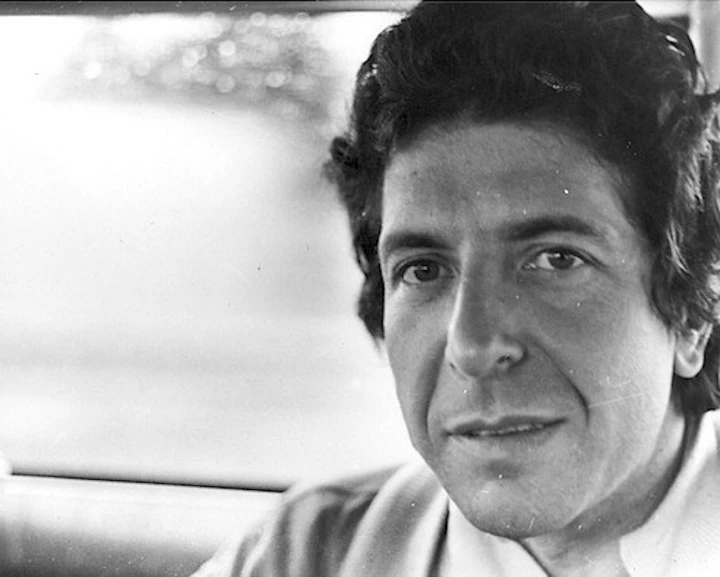
In his poem, "Days of Kindness", from 1985, Leonard Cohen describes Greece as being a good place to read by moonlight on the terrace. He knew this from experience. Hydra was his home for much of the 1960s. He arrived in the spring of 1960, aged 25, and later bought a house on the island, where he wrote much of his early work. Many places on Hydra still carry traces of him, even now that Hydra has become far better known.
16.04.2026
Greece is often associated with ancient history, island landscapes, and carefully preserved traditions. Less discussed, however, is another layer of its identity: its place names. Across the mainland and the islands, thousands of villages carry names that can sound unexpectedly funny or strikingly literal to a modern Greek speaker. These are not recent inventions or deliberate attempts at humor. Most date back centuries, shaped by geography, daily life, local dialects, and historical circumstances. What makes them stand out today is the shift in language over time. Words that once served as straightforward descriptions of land, resources, or communities can now feel unusually direct or unexpectedly humorous. Looking at these names more closely offers insight into how earlier generations observed their surroundings and chose to define them.
20.03.2026
Greece has long been more than a travel destination. For centuries, writers have been drawn to its history, natural beauty, and authenticity, finding in Greece not just a setting, but a source of inspiration that shapes narratives, characters, and perspectives.
19.02.2026
02.01.2026
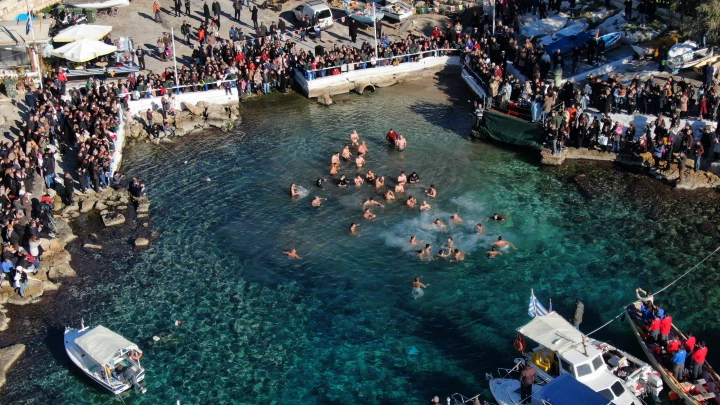
In Greece, the holiday season does not end on New Year’s Day. Instead, it culminates in one of the most symbolic celebrations of the year: Epiphany, known in Greek as Theofania. More than a religious holiday, Epiphany in Greece represents the triumph of light over darkness, a spiritual “new beginning” for individuals and communities. For anyone living in Greece, or dreaming of owning a home here, Epiphany offers one of the most authentic snapshots of local culture. From the blessing of the waters to ancient folk rituals, this day reveals the deep connection between the Greek people, nature, and tradition.
30.12.2025
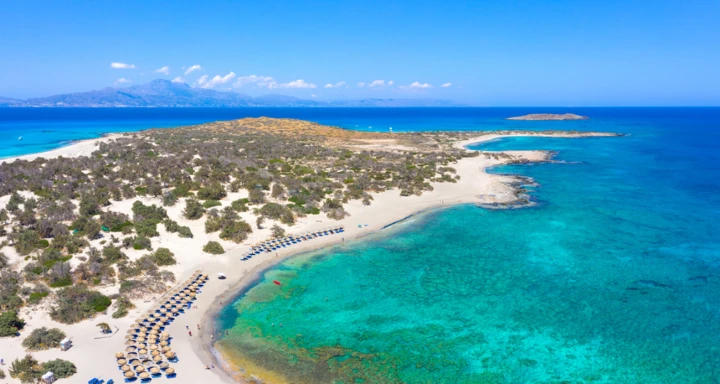
Crete is stepping into the global spotlight once again. According to Airbnb’s latest travel trend insights based on worldwide search data from Q3 2025, the island — and especially the iconic Samaria Gorge National Park — ranks among the most sought-after nature destinations for 2026. This surge reflects a broader shift in how people choose where to travel, live, and invest. Travellers are no longer looking only for beaches or city breaks. Instead, they are drawn to authentic natural environments, outdoor experiences, and destinations that offer both beauty and balance, qualities that Crete delivers effortlessly.
19.12.2025
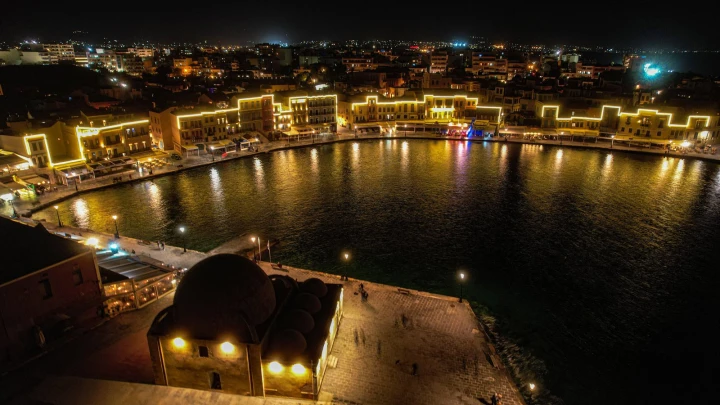
Greece is known mostly for its pristine beaches and its endless summers. Also, Greek cuisine, with its unique Mediterranean dishes, is widely sought after. What might feel surprising is the magical beauty during Christmas in Greece. The country has a long festive season that runs from Christmas to Epiphany (the “Φώτα” on 6 January), full of local customs, food traditions, and small village rituals that still matter to people today. Winter destinations are also famous in Greece, as according to the latest Monitoring Sentiment for Intra-European Travel report (Wave 23) by the European Travel Commission (ETC), Greece ranks among the top 10 most desired European destinations for travel between October 2025 and March 2026, holding a solid 7th place.