20.10.2026
The Most Famous Homes in Greece
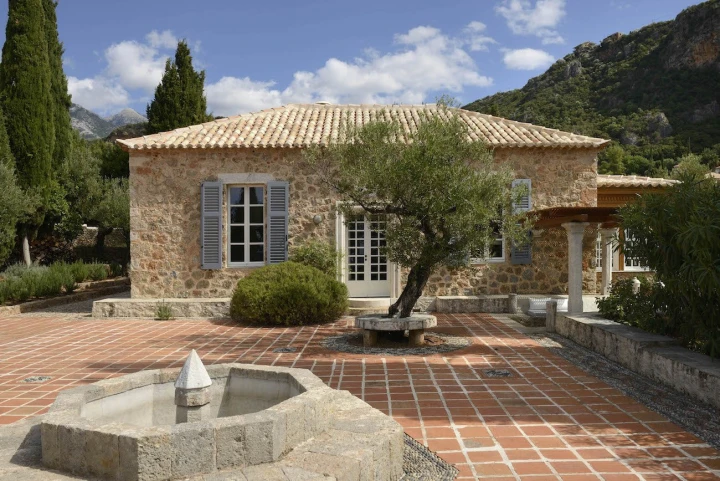
There are some houses in Greece that gain fame because of the people who lived in them, such as writers and musicians, or even... a king!
History & Culture
17.06.2023
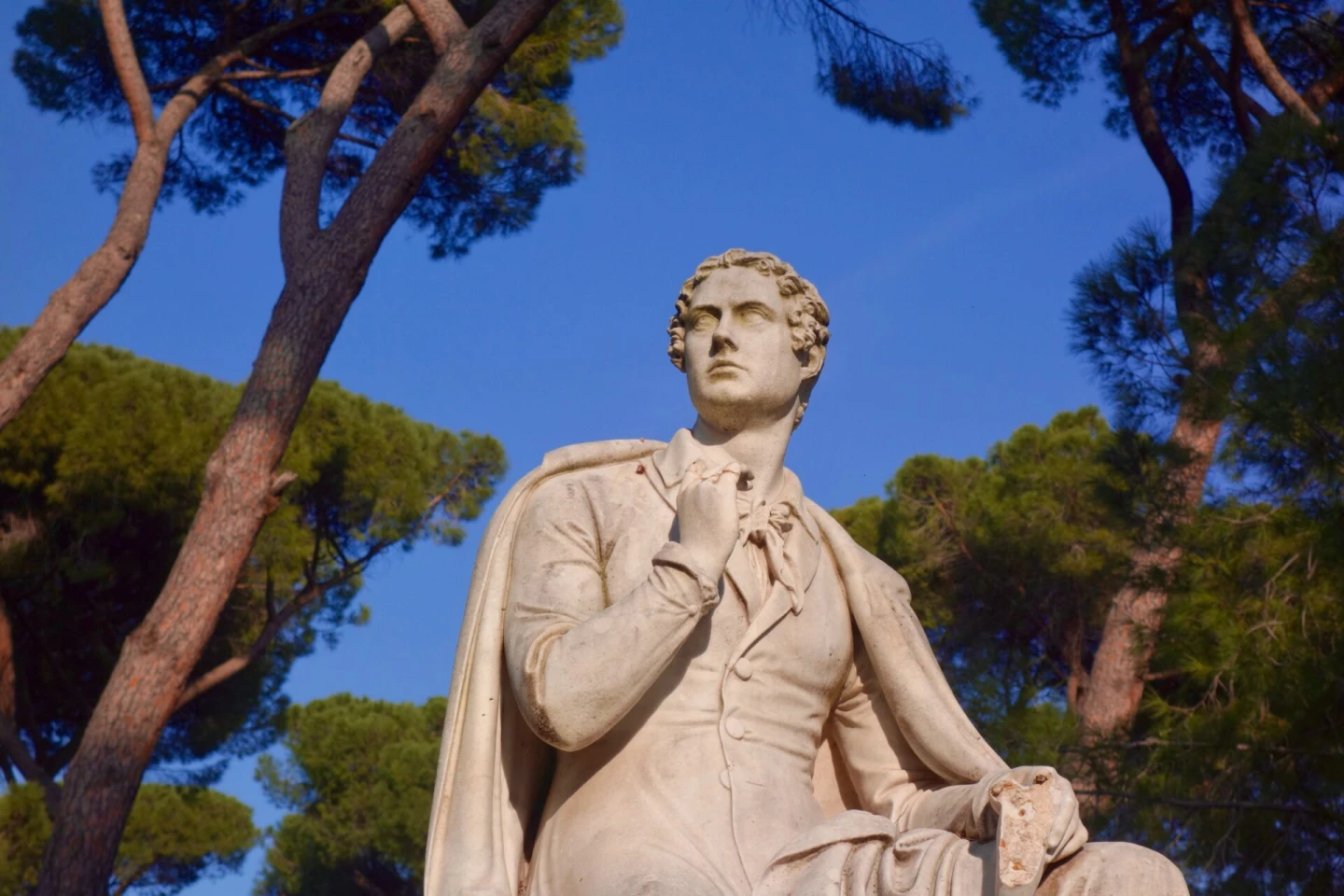
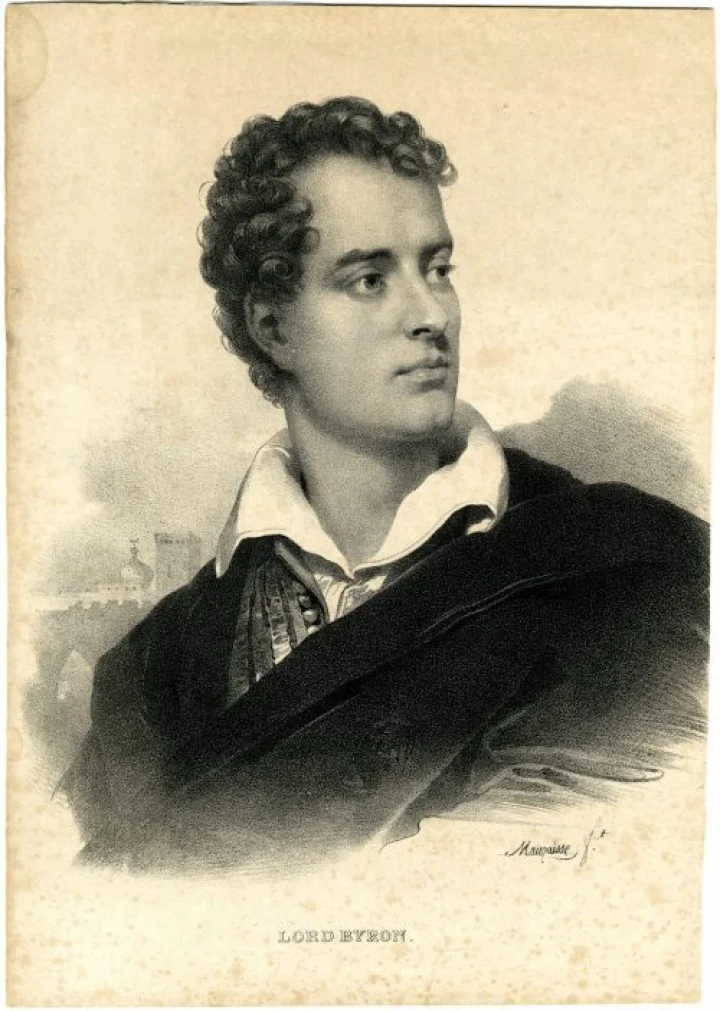
Lord Byron is one of the most famous narrative poets of the Romantic period and was a philhellene. Philhellene means “lover of Greece.” He was not born with Greek blood but loved the country of Greece so much that he fought in the Greek War of Independence in the 1820s and died for the nation. Byron was good-looking and came from a wealthy family. He was infamously known for scandals and love affairs throughout his life, but also for his heroism and his historic feats. The Greeks call him “Λόρδος Βύρωνας,” and he died for the freedom of Greece in Mesolongi in 1824 at the age of 36.
Lord Byron was born in Scotland in 1788. He inherited his uncle’s title of Lord at the age of 10. He attended Harrow, then Trinity College, then Cambridge, and he built enormous debts while there. Here, he began to write poetry and traveled throughout Portugal, Spain, and the Near East. His first successful book was Childe Harold’s Pilgrimage (1812). Lord Byron remarks, “I awoke one morning and found myself famous.” Suddenly, everyone wanted to have his same poetry, manners, and tastes. Lord Byron married in 1815 to Anne Milbanke. Their daughter, August Ada, was known to be a mathematics genius and is said to be one of the first computer programmers.
He lived a storied young life, entering the House of Lords when he turned 21. He left the following year to head to the Mediterranean, and there he wrote his most famous poem, Childe Harold’s Pilgrimage. He met Ali Pasha and traveled all over Greece. He loved all the monuments from Ancient Greece and fell in love with the daughter of a British consul, Theodoros Makris. Byron was known to write poems about the women whom he loved.
In 1823, Lord Byron was invited to fight with the Greeks against the Ottomans. Because Lord Byron was at the time a famous figure with a great amount of wealth, he turned the Greek fight for freedom into an international phenomenon. He embraced the values of the Enlightenment and constantly fought to stop the rise of civil war among the Greeks themselves, who were notoriously known for infighting. Lord Byron helped Greece operate differently than other sections of the Ottoman Empire, which were led by local warlords. His donations of 4000 Pounds (today about 300,000 Pounds) to repair Greek ships had a crucial role in changing the course of the War for Independence. The Ottoman troops who were closing in on Missolonghi disappeared when there was information that Byron had financed ships and that the fleet was coming from Hydra and Spetses. The news tipped the fight in favor of the Greeks against the Ottomans.
Prophetically, Byron once noted a “presentiment that I shall die in Greece."After joining the Greeks as a soldier, he traveled to Cephalonia, where he stayed for 6 months. Next, he moved to Morias in the Peloponnese. In March of 1824, he was training with his fellow troops in the cold and fell ill with a fever. The doctors decided to treat him with leeches, but it failed, and Lord Byron died soon after. Byron was famously quoted as saying that “I have given her [Greece] my time, my means, my health…And now I give her my life! What could I do more?”
Byron’s death was mourned throughout all of Greece. To this day, many streets are named after him. There are memorials to Lord Byron in the Psiri district of Athens, and also in the Temple of Poseidon in Sounion, where Lord Byron’s name is etched into the marble steps. Most noticeably, in the city center near the National Garden is a statue that depicts Greece in the form of a woman cradling Lord Byron.
20.10.2026
There are some houses in Greece that gain fame because of the people who lived in them, such as writers and musicians, or even... a king!
05.10.2026
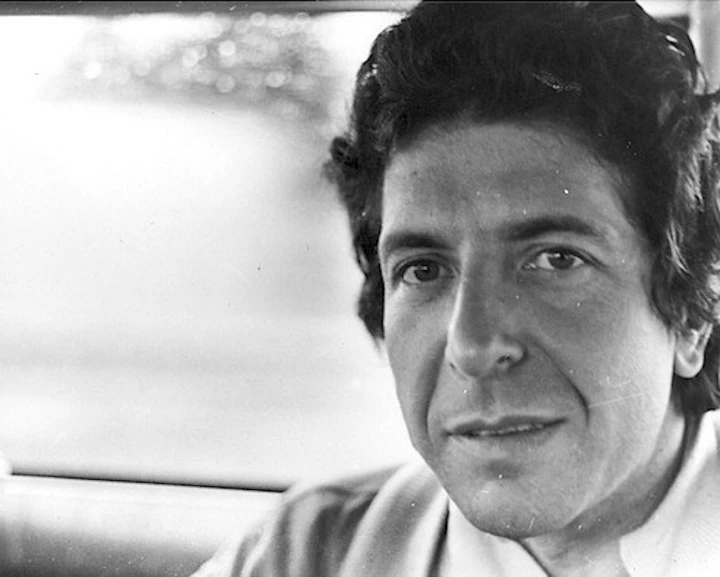
In his poem, "Days of Kindness", from 1985, Leonard Cohen describes Greece as being a good place to read by moonlight on the terrace. He knew this from experience. Hydra was his home for much of the 1960s. He arrived in the spring of 1960, aged 25, and later bought a house on the island, where he wrote much of his early work. Many places on Hydra still carry traces of him, even now that Hydra has become far better known.
16.04.2026
Greece is often associated with ancient history, island landscapes, and carefully preserved traditions. Less discussed, however, is another layer of its identity: its place names. Across the mainland and the islands, thousands of villages carry names that can sound unexpectedly funny or strikingly literal to a modern Greek speaker. These are not recent inventions or deliberate attempts at humor. Most date back centuries, shaped by geography, daily life, local dialects, and historical circumstances. What makes them stand out today is the shift in language over time. Words that once served as straightforward descriptions of land, resources, or communities can now feel unusually direct or unexpectedly humorous. Looking at these names more closely offers insight into how earlier generations observed their surroundings and chose to define them.
20.03.2026
Greece has long been more than a travel destination. For centuries, writers have been drawn to its history, natural beauty, and authenticity, finding in Greece not just a setting, but a source of inspiration that shapes narratives, characters, and perspectives.
19.02.2026
02.01.2026
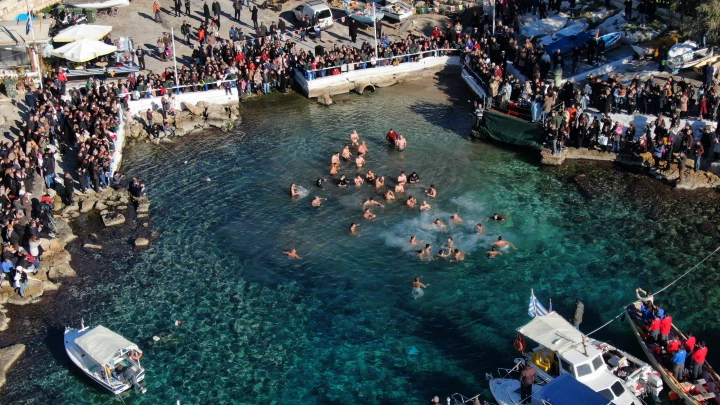
In Greece, the holiday season does not end on New Year’s Day. Instead, it culminates in one of the most symbolic celebrations of the year: Epiphany, known in Greek as Theofania. More than a religious holiday, Epiphany in Greece represents the triumph of light over darkness, a spiritual “new beginning” for individuals and communities. For anyone living in Greece, or dreaming of owning a home here, Epiphany offers one of the most authentic snapshots of local culture. From the blessing of the waters to ancient folk rituals, this day reveals the deep connection between the Greek people, nature, and tradition.
30.12.2025
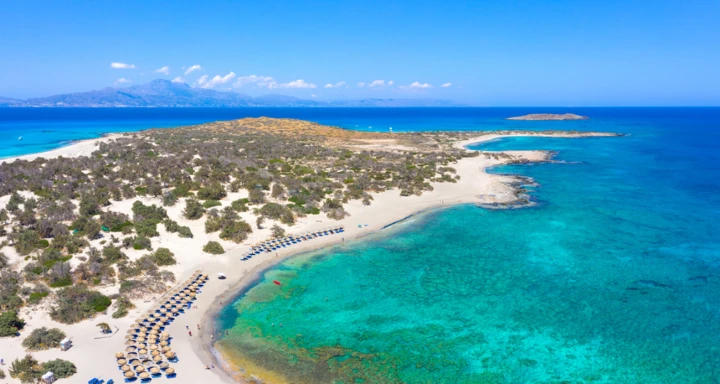
Crete is stepping into the global spotlight once again. According to Airbnb’s latest travel trend insights based on worldwide search data from Q3 2025, the island — and especially the iconic Samaria Gorge National Park — ranks among the most sought-after nature destinations for 2026. This surge reflects a broader shift in how people choose where to travel, live, and invest. Travellers are no longer looking only for beaches or city breaks. Instead, they are drawn to authentic natural environments, outdoor experiences, and destinations that offer both beauty and balance, qualities that Crete delivers effortlessly.
19.12.2025
Greece is known mostly for its pristine beaches and its endless summers. Also, Greek cuisine, with its unique Mediterranean dishes, is widely sought after. What might feel surprising is the magical beauty during Christmas in Greece. The country has a long festive season that runs from Christmas to Epiphany (the “Φώτα” on 6 January), full of local customs, food traditions, and small village rituals that still matter to people today. Winter destinations are also famous in Greece, as according to the latest Monitoring Sentiment for Intra-European Travel report (Wave 23) by the European Travel Commission (ETC), Greece ranks among the top 10 most desired European destinations for travel between October 2025 and March 2026, holding a solid 7th place.