A Rare Moment for One of the World’s Most Famous Temples
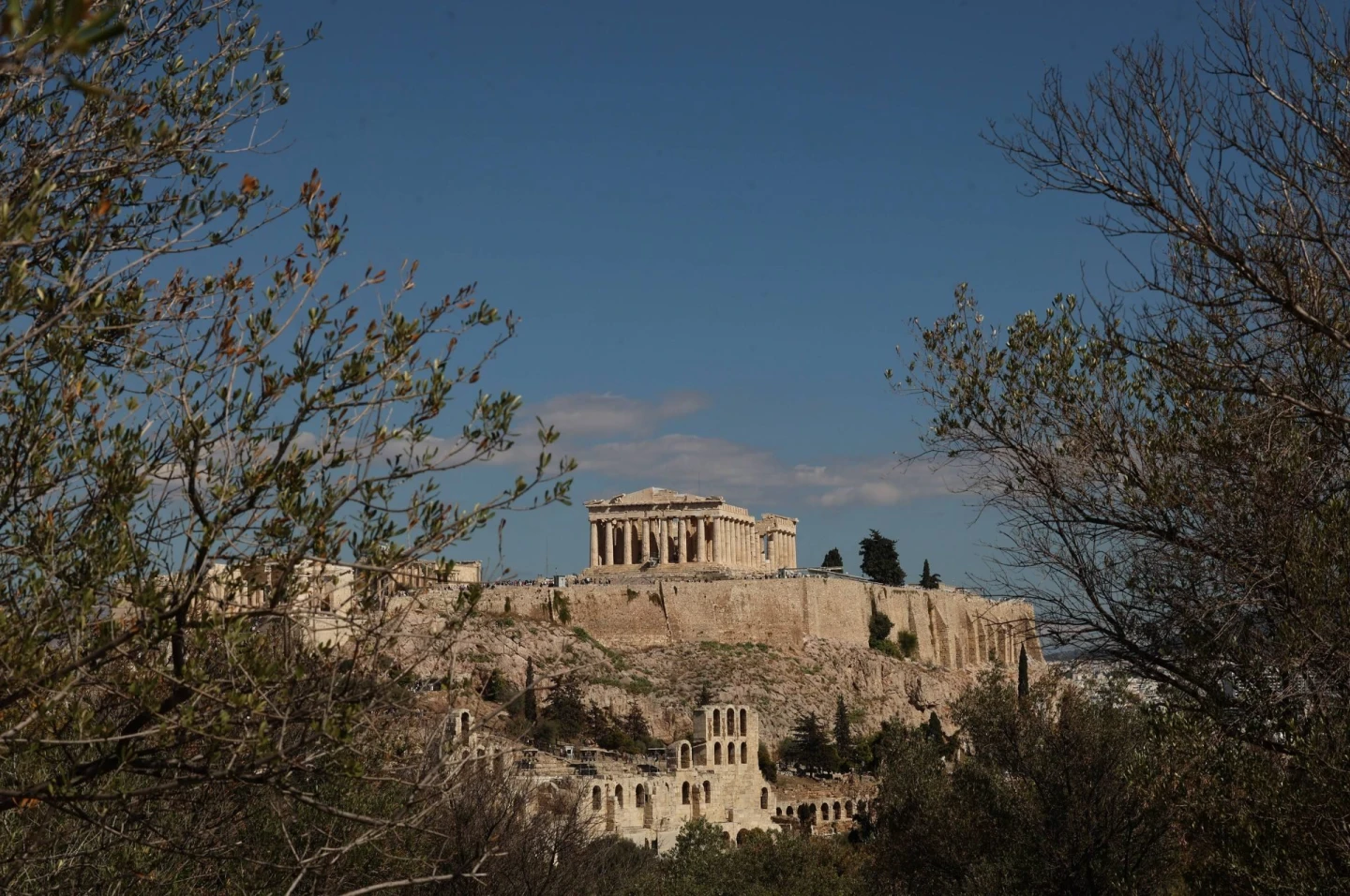
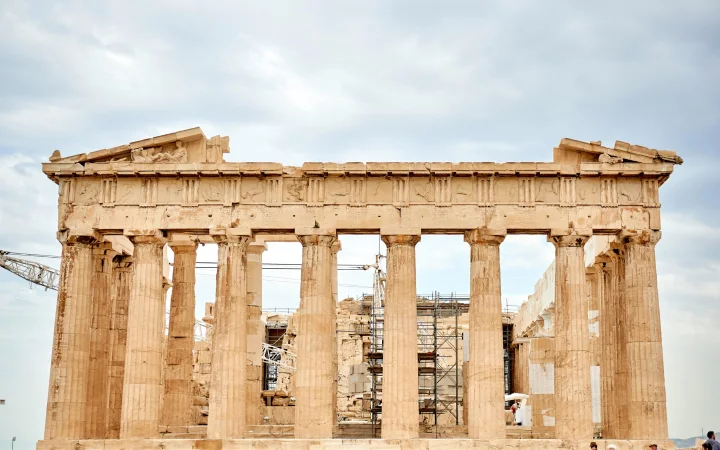
The scaffolding that had surrounded the Parthenon’s western facade for almost two decades has been temporarily removed, allowing visitors and locals alike to admire the temple’s original form. However, work continues on other parts of the Parthenon. The Acropolis attracted around 4.5 million visitors in 2024, and the number is expected to be even higher in 2025. This is a rare and emotional moment for Athenians and travellers. Standing beneath the temple, without the familiar metal frames, gives an unobstructed view of the marble columns, a reminder of why this monument continues to symbolise timeless elegance and resilience.
Why are these scaffolds there?
That is a common and reasonable question. The restoration efforts are essential to preserve the integrity of the ancient marble, much of which has suffered over the centuries from weather, wars, and human interference. For now, Athenians and travellers have a few weeks to enjoy a once-in-a-lifetime view of the Parthenon, as close as possible to how it looked centuries ago. However, this removal doesn’t mark the end of the restoration works. The team responsible for the project is preparing to install new, lighter, and more discreet structures that will allow ongoing conservation efforts to continue with improved safety and aesthetics. The next phase is expected to begin within the coming weeks, with completion of the western pediment restoration scheduled for early 2026. It’s easy to forget that the Parthenon is not just a monument frozen in time; it’s a living archaeological project that continues to evolve.
The temporary closure of the Odeon of Herodes Atticus
The Odeon of Herodes Atticus will remain closed for three years, starting at the end of this year's Athens-Epidaurus Festival season. During this three-year period, work will be carried out to highlight, protect, and restore the monument.