.png)
03.09.2026
Buying an Off-Plan House in Greece from Abroad Explained
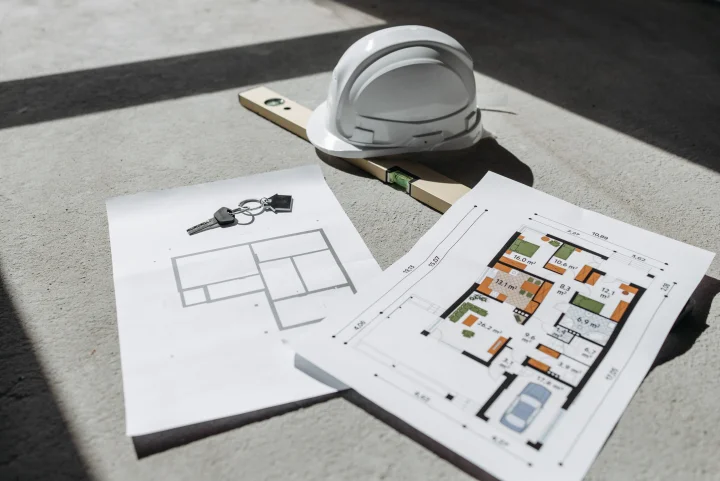
“How can I buy a house in Greece that is not built yet from abroad?”
That’s a very common question we receive from clients interested in buying an off-plan house.

Purchase Tips
30.06.2025
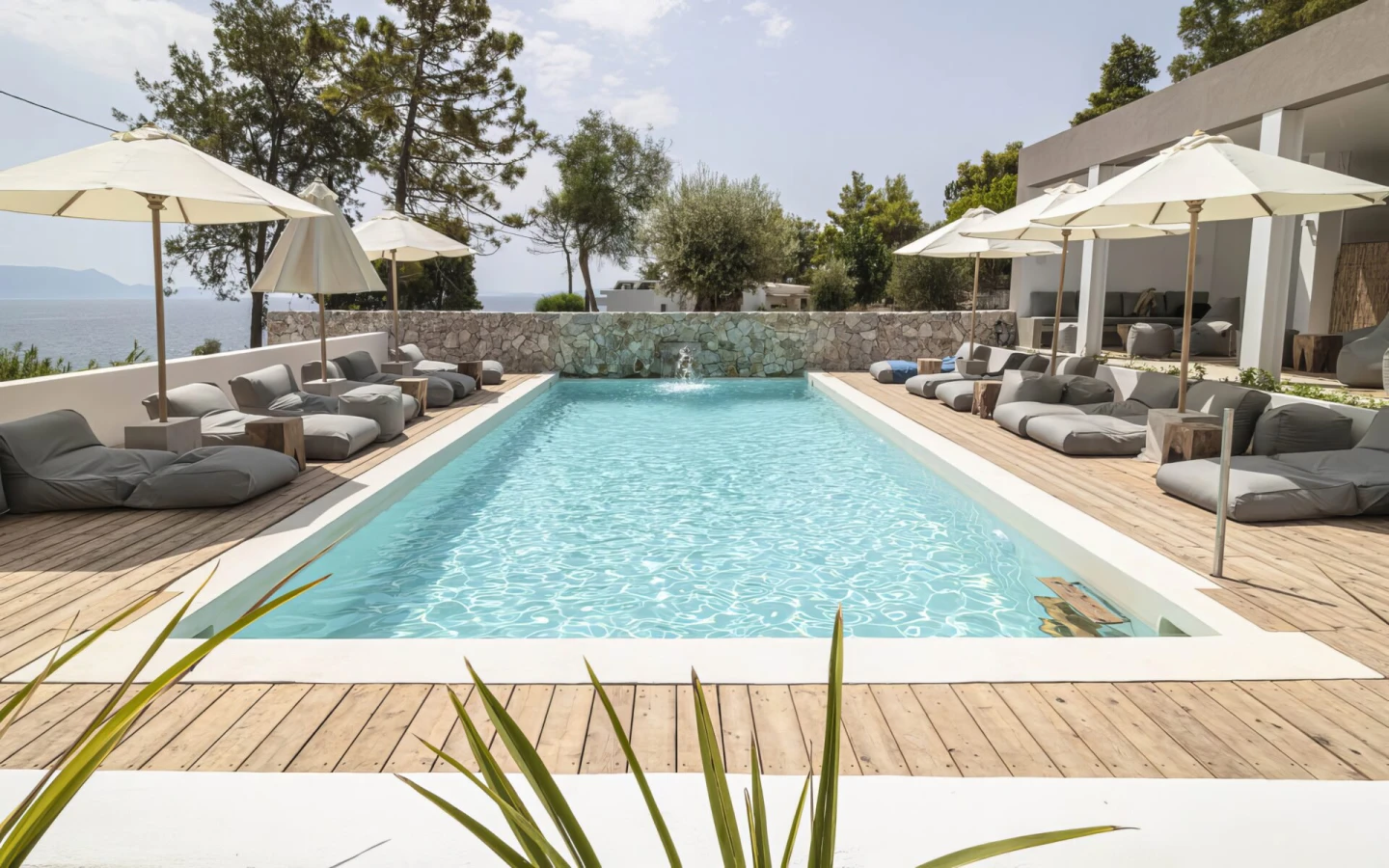
Building a private swimming pool is a lifelong dream for many property owners in Greece. Particularly during the summer months, the ability to enjoy the coolness and privacy of a personal swimming pool in your garden or yard offers a significant qualitative upgrade to everyday life and increases the value of the property. However, as with any construction intervention, Greek legislation clearly defines the conditions and permits required, depending on the form, size, and installation method.
This option is available for owners who wish to install a swimming pool of up to 50 square meters, without permanent or heavy structural intervention. In this case, the current legislation states that a small-scale license is required. This is a more straightforward and faster procedure than the full building permit. However, it is still mandatory if the pool, although not exceeding 50 square metres in size, is permanently installed and requires mechanical installation.
The legislation lays down specific conditions for the pool to fall into this category: The pool must meet specific height and excavation limits set out under the small-scale works permit. Your civil engineer will confirm the exact thresholds for your property. Additionally, the pool must be serviced by external compact-type mechanical systems, and the required planting in the designated open space must be maintained in accordance with regulations. At the same time, the application must be accompanied by a solemn declaration from an engineer certifying that he is responsible for the structural and electromechanical safety of the structure.
Importantly, if the construction includes a concrete foundation (reinforced concrete), the project no longer qualifies for a small-scale permit and instead follows the standard building permit process.
If the desired pool exceeds 50 square meters or requires building construction using reinforced concrete, retaining walls, deep excavations, or serious building interventions in general, a large-scale building permit is required. This procedure is more demanding, as it requires a complete file that includes architectural plans, structural studies, topographic diagrams, and all necessary approvals from the relevant authorities.
The permit is issued by a civil engineer through the relevant online platform, and the progress of the project is supervised and fully documented. This procedure is necessary whenever the construction of the pool significantly alters the terrain's morphology or when it is integrated into large-scale construction projects.
It is worth noting that apart from the technical requirements, it is equally important to check the legal framework of the area in which the property is located. In general, the construction of a pool is permitted in most areas; however, there are specific locations, such as environmental protection zones, traditional settlements, or coastal areas, where the construction of swimming pools is restricted or prohibited. Therefore, working with an experienced engineer is essential to ensure that the project is fully legal and technically safe.
The choice of the appropriate permit depends mainly on the size, type, and method of construction. If you are planning to install a pool on your property, the first step is to consult a civil engineer who will evaluate your case and guide you step-by-step through obtaining the appropriate permit. The construction of a swimming pool requires a technical inspection and compliance with current urban planning regulations to proceed legally and without issues.
Disclaimer: This content is for informational purposes only and does not constitute legal or tax advice. For matters specific to your situation, we recommend consulting a lawyer, accountant, or notary as appropriate.
03.09.2026
“How can I buy a house in Greece that is not built yet from abroad?”
That’s a very common question we receive from clients interested in buying an off-plan house.
28.08.2026
A power of attorney represents a crucial legal tool for international property buyers and sellers. This legal document grants another person the authority to act on your behalf in property transactions, eliminating the need for personal presence during the sale process. Whether you're a German retiree buying a holiday home in Crete or a Dutch family looking to sell your property in Corfu, a power of attorney allows you to complete a property sale whilst remaining in your home country.
10.08.2026
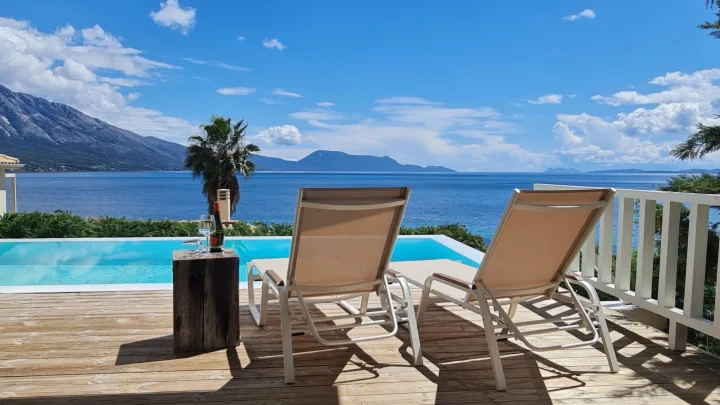
For many people, the idea of owning a home in Greece starts with a feeling. The sunny days, the sea, a slower pace of life. What often follows is a more practical question: “How does buying a house here actually work?”
For this very reason, we created the following guide so that you can have a clear overview of how the process of buying a house in Greece works.
07.08.2026
Buying a home in Greece from abroad raises a fair question. Can the paperwork be handled with a digital signature, so you never have to fly in to sign in person? For some documents, the answer is yes. For the ones that actually transfer ownership, it is not. A Greek purchase deed is signed before a notary, and that step cannot be done digitally. Therefore, digital signatures are accepted in Greece for private documents, such as certain agreements and declarations. They are not accepted for public documents. That includes the notarial purchase deed and the power of attorney. You cannot become the owner of a Greek property by signing a document digitally. The transfer is always completed before a notary, either with you present or through a power of attorney that was signed in person.
03.08.2026
If you plan to buy a home in Greece, you have probably given some thought to how you will pay for it. Depending on your home country, a mortgage may be one option. Getting a mortgage in Greece as a non-resident is not always straightforward, so it helps to understand how the process works before you begin. The general process is broadly similar from bank to bank, though the details differ and can change from year to year. Rates depend on the bank you approach and on your own profile. As a rule, non-resident buyers pay a little more than residents. The sections below walk through what to expect. You do not need to be a Greek resident to apply for a mortgage. Most Greek banks do apply stricter rules to people living abroad. For some banks, though not all, you will need to be a Greek taxpayer, meaning your tax residency must be in Greece to be eligible for a loan.
22.06.2026
Every home in Greece is now meant to have its own digital file. It is called the Electronic Building Identity, or E-ID (Ηλεκτρονική Ταυτότητα Κτιρίου). The Electronic Building Identity gathers the key facts about a property in one secure online record. It sets out the building's current condition, its permits and plans, and any changes made to it over the years. For anyone buying or selling a home in Greece, it has become one of the most important documents to understand. This guide explains what the E-ID is, what it contains, who prepares it, and why it matters at the moment a property changes hands.
10.06.2026
If you own a property in Greece and are thinking about selling, one of the first things on your mind is probably a practical one: what do I pay to the estate agent? It's a sensible question to ask early, and the answer shapes how you budget for the sale and what you can expect from the agency representing you.
10.06.2026
If you have bought or sold property in the Netherlands, Germany, the UK, or most other Western European countries, you are probably used to a clear setup: the seller has their agent, the buyer has theirs, and each represents their respective client. In Greece, things work differently, and it is very important to have a clear overview before you decide to move forward with a property transaction.
.jpg)