Skip to content

Buying an Off-Plan House in Greece from Abroad Explained

Purchase Tips

03.09.2026

Eva Karolidou

“How can I buy a house in Greece that is not built yet from abroad?”

That’s a very common question we receive from clients interested in buying an off-plan house.

Nowadays, more and more property transactions are completed remotely with confidence, as we provide full transparency and tailored support throughout the whole buying process.

To provide a clear overview of this topic, we explain the key points in simple, easy-to-understand terms.

What is an Off-Plan Home?

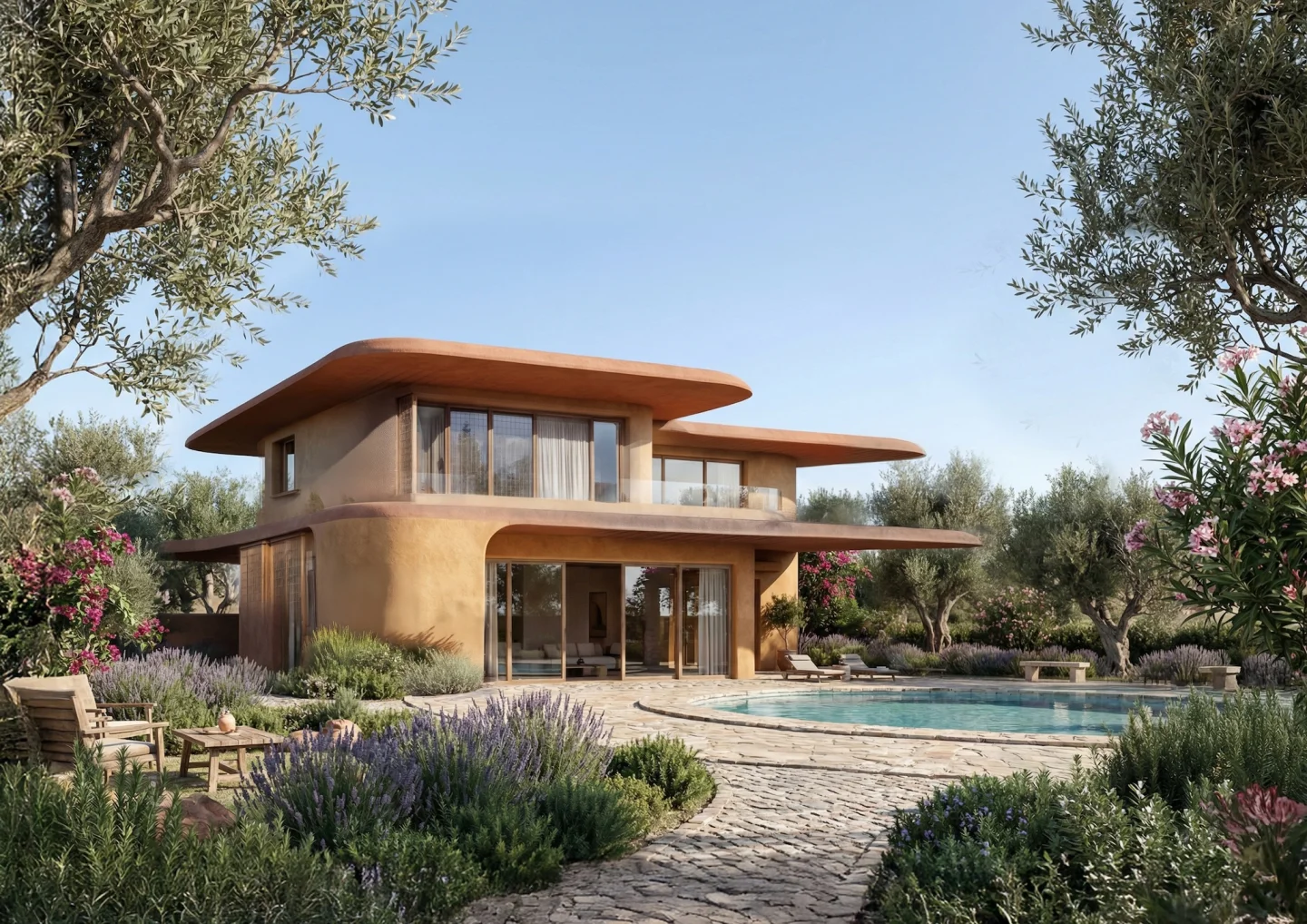
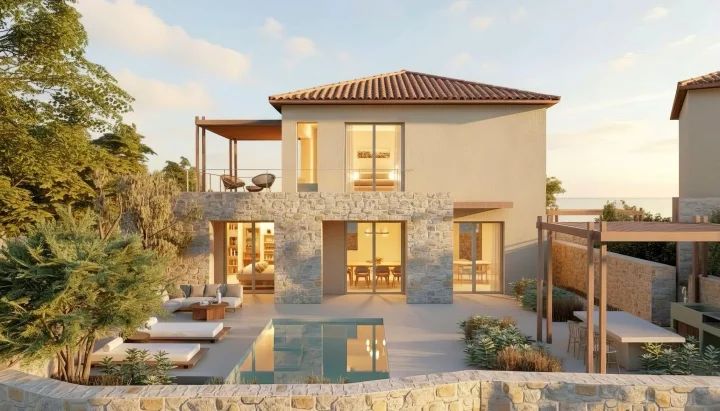
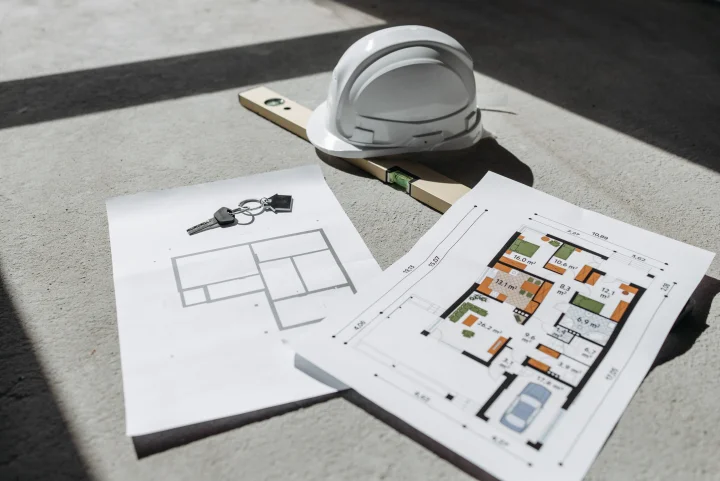
To be fully familiar with a concept, it’s essential to clarify the term's definition. An off-plan home is a property that is available for sale before construction starts. Interested parties can view the house plans, renders, technical specifications, and the building plot where the home will be built. Once the ideal house is found, based on their wishes and preferences, our experienced, multilingual team takes care of the rest.

Why Choose an Off-Plan Home in Greece?

1. Higher Resale Value

An average off-plan property is already worth 20-30% more once it is completed. This means that with the same investment, you will get much more value for money if you go for an off-plan property compared to an existing home.

2. Modern Design for Modern Living

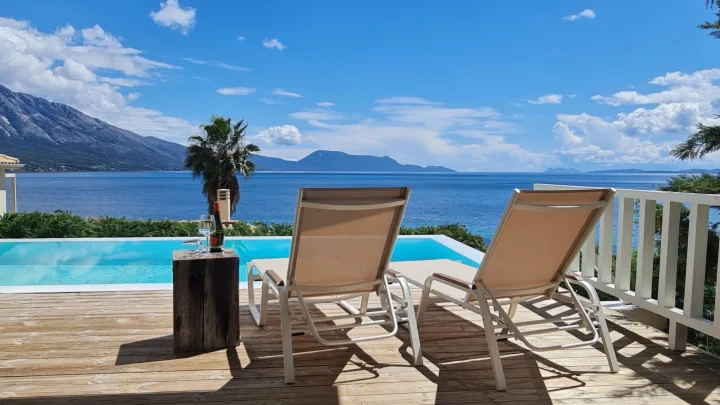
Off-plan homes in Greece are typically built to modern specifications and use high-quality materials, ensuring enhanced appeal, durability, and reliability. These properties are usually designed by a new generation of architects who favour minimalist designs; think contemporary design elements, new tiles, new bathrooms, stylish furniture, sleek sightlines, and often an infinity pool. The focus on modern architecture and sustainability means many off-plan homes comply with strict eco-friendly regulations, incorporating features such as heat pumps, solar panels, and smart home integrations.

3. Easier to Rent Out

New homes often rent more easily than homes built 10 years ago. The quality of the architects' work is attractive to high-income renters who are drawn to innovative constructions. Not only are new homes more popular when rented out through platforms like Airbnb or Booking.com, but people are also willing to pay more for them. The difference in rental prices between new and existing houses can be huge, even up to 100%. Additionally, gross rental yields in top-performing holiday locations in Greece can reach 6%-10% seasonally, enhancing investment appeal.

4. Cheaper Than Existing Homes

Let’s assume you are searching for a home in a specific area, with a specific size and specifications. Off-plan homes will likely be less expensive to buy than existing, newer properties. In Greece, off-plan property purchases typically involve flexible payment plans that allow buyers to spread costs over the construction period, making it easier to manage finances without a large upfront payment. Prices can vary by location in Greece, but off-plan homes often cost 20% less than completed homes.

5. Customizable

Off-plan homes in Greece are partly or fully customizable. You can design the layout the way you like, style it to your preferences, and choose the kitchen, tiles, bathrooms, and more. Buyers can also opt to add a private pool as part of their preferred layout. While you can truly have the house you always dreamed of within the budget you planned for, certain customisations, such as adding a private pool or selecting premium finishes, will incur additional costs beyond the base price.

6. Brand New Appliances and Equipment

Off-plan homes are brand new. If there are any small defects, add them to the snagging list and submit them to the constructor for fixing. Equipment and appliances are new and have warranties. The home meets today's standards and will likely be maintenance-free for at least the first three to five years.

7. Sustainability

Off-plan homes have high standards of energy efficiency and sustainability, as they are built to the latest specifications. This means the home may have extra features such as green roofing, heat pumps, solar panels, and a solar boiler. Opting for an off-plan property in Greece not only allows for customisation to your preferences but also offers potential for higher resale value and modern amenities.

What Are the Steps to Buy an Off-Plan Home in Greece?

1. Letter of Intent (LOI)

The first step to reserve a house is to sign a letter of intent and pay a deposit. The letter of intent includes the financial offer, the property's technical specifications, and the floor plans. Once this is signed and the deposit is paid, the house is off the market and reserved for you. Reservations can be made without a viewing, but it is important to note that the down payment is not refundable if you later decide not to buy the property.

2. Power of Attorney (POA)

A Power of Attorney is a legal document that allows your lawyer to represent you during the process of buying an off-plan house in Greece. If you collaborate with us, at Elxis, our in-house legal team can handle all the relevant paperwork on your behalf. As a result, the buying process moves forward, while your physical presence is not required.

3. Greek Tax Number (AFM)

A Greek Tax Number, also known as an “AFM,” is a nine-digit identifier that is mandatory for anyone buying real estate in Greece, regardless of nationality. Additionally, you will need it if you plan to obtain a Greek residency permit, file taxes in Greece, secure a rental contract, or open a bank account. Like a tax ID number in many other countries, an AFM is unique to you, and you keep it your whole life. Once the POA is signed, we can assist you with the application for a Greek tax number and set everything in motion.

4. The Payment Scheme 

First, the notary deed for the purchase of the plot is signed, after which you pay a part of the whole purchase price, plus transfer tax and notary fees. The construction agreement is included in the notary deed or signed separately through a secure online platform, depending on the project.

The remaining amount is paid in 5-7 instalments, as recorded in the construction contract. These payments are tied to the completion of certain construction stages, such as foundation, concrete frame, masonry, plastering, windows, tiling, etc. So, you pay when the respective construction stage is completed, after the developer has provided you with photographic evidence of the completed progress. The final instalment is due upon completion of the villa, after you have inspected it and found it to be in order.

5. The Additional Costs 

The additional costs for the purchase of an off-plan project are about 7-10%, including all taxes, notary and cadastre costs, and our fee, which includes full legal handling of your purchase by our team of lawyers, as stated above. All stages are due only after completion, minimising risk as much as possible. Furthermore, since you are the owner of the plot from the very start of construction, anything built on it will automatically be yours.

Frequently Asked Questions 

1. Do I Need to Be Physically Present During Construction?

You don't have to be physically present during any of the construction phases, as you will receive regular photo and/or video updates on the construction progress. However, you are more than welcome to visit the site as many times as you wish.

2. Do I Lose the Money that I Paid if I Opt Out During Construction?

The plot will be transferred to your name before construction starts. This means that everything that is built on the plot is automatically yours. There really is no opt-out scenario once the plot is transferred to you. It’s also not possible to stop halfway, as this would leave the project with a half-constructed house among the other villas. If you are unsure you have the means to proceed, it is best not to move forward with a purchase for such a project.

3. Are Electricity and Water Fully Connected and in Use Upon Completion?

The developer will ensure that all necessary infrastructure is in place. Then, they submit the application to install water and electricity meters to the relevant public companies. Once these meters are installed, you can sign a contract with an energy supplier of your choice. Keep in mind that there are costs involved, such as meter placement and a deposit, among other things.

4. What Happens If the Developer Goes Bankrupt? 

As you can see, the risk for the buyer is minimised by invoicing for all construction work only afterwards. Moreover, everything built on the plot automatically belongs to you, since you are the legal owner of the plot from the start of the project. The financial risk for the developer is also very limited, because no financing from a bank is required, as the plot has already been purchased with their own funds and the rest of the construction is essentially financed in instalments by the buyers themselves. Finally, the developer is obligated to obtain all-risk insurance for the entire duration of construction, and penalties apply if the villa is not delivered by the agreed date. Since 1991, we have not had a single client left with a semi-finished house.

5. Are Off-Plan Homes Customisable?

Off-plan homes in Greece are often customisable. Some developers allow you to design it the way you like, choose the kitchen, tiles, bathrooms, etc. You can really have the house you always dreamed of, within a budget you plan for.

This isn't the same for all developers, and customisation varies based on the type of construction. For example, some developers will allow you to choose the kitchen's finishes but not its layout. Others don't allow changes to the original construction plan. Be sure to ask about the level of customisation that is possible. Note that when the time comes to decorate, the best source of ideas is the developer of your new home or a specialised interior designer. They have years of experience designing Greek homes and can give you the best advice.

6. Is There a Warranty on Off-Plan Homes in Greece?

For most projects presented by Elxis, there is a 10-year warranty on the load-bearing structure and a 5-year warranty on the roof's watertightness. For everything else except consumables, there is a two-year warranty, as provided by EU law.

7. What Happens If My Home Isn't Ready on Time?

All contracts drawn up by our lawyers contain a fixed delivery date and provisions regarding late delivery. If, for some reason, the constructor takes longer than agreed to complete the house, the contract's penalty clause provides for financial compensation to the buyer. The exact amount depends on the contract and how late the delivery is. Penalty clauses do not apply in cases where the delay is caused by force majeure situations (extreme weather conditions, pandemics, etc.).

8. When Can I Move In?

It's very tempting, once the final stage of building is complete, to rush to live in your new home. It's only natural to want to move in immediately! However, it is important to keep in mind that a brand-new home is not fully habitable from day one. For example, there won't be a bed to sleep in until the home is furnished. And even if the home is delivered furnished, you'll need to buy bed linen, duvets, etc.

Many owners of off-plan homes in Greece travel to the area for the delivery first, staying in a nearby hotel or Airbnb during the period immediately after completion. This gives you the opportunity to furnish the home gradually and to organise everything the way you want.

9. Are Off-Plan Homes Furnished?

For some projects, electrical appliances are included in the price. For other projects, you can order any appliances you like at an additional cost, and the developer will install them before delivery. This way, you can customise the kitchen according to your needs (and cooking skills!). Furniture is typically not included, but for many projects, the developer will propose an optional furniture package at an attractive price. If you want to make it easy on yourself, you can choose this package; if you prefer to make your own furnishing choices, you can handpick all furniture yourself.

10. Why do the renders show things that are not standard included?

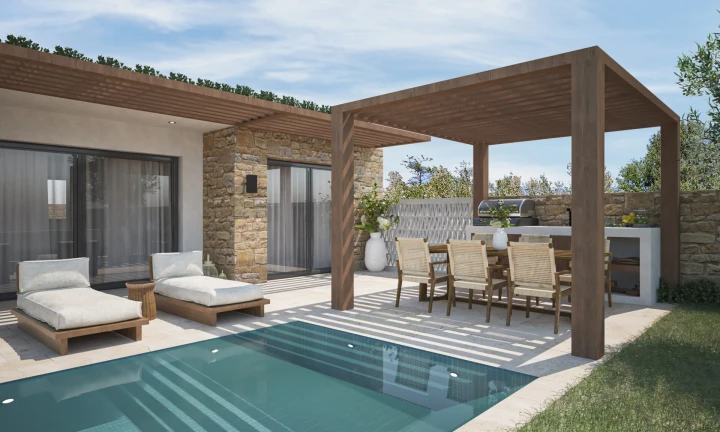
The 3D renders of a project always show how the property could look when fully finished, with everything on it, which might include some optional extras. This is done so that you get a better impression and can more easily picture how the home might look with all the possible options. The aim is therefore to show what's possible, rather than to depict exactly what's included as standard. Things like drainage, power sockets, and air conditioning units aren't shown either. Furniture is also always shown, even though it's rarely included in the price, and the same goes for garden plants and trees. If you’re not sure if what you see in the renders is standard or an extra option, it’s better to ask than to assume.

Buying off-plan in Greece: The bottom line

To summarise, off-plan houses are available for sale before they are built, offering higher resale value and modern designs that incorporate high-quality materials. Buyers can purchase them at a better price, as their costs are approximately 20% less than those of completed homes in many cases. Additionally, off-plan houses can be easily rented out, offering an attractive income.

At Elxis, one of our main goals is to ensure that the buying process of a property is as smooth and stress-free as possible. The sale is handled by our multilingual sales department, which supports clients in English, Dutch, German, French, and Greek.  Afterwards, the legal process is handled by our experienced in-house lawyers, who make sure that you receive clear, regular updates until you get your keys to your new home.

You might also like