
Skip to content

I Have a Home in Greece: Owner's Guide (Updated for 2026)

Purchase Tips

31.03.2025

Family in Rhodes

You have just bought your home in Greece and are getting ready to move in. There are a few steps to take before you spend your first Greek summer there. This article covers utility connections, taxes, home insurance, maintenance costs, and a few tips for getting to know the locals.

Utilities

One of the first things to do is to put the utilities in your name. This section covers electricity and water.

Electricity

To add your name to the electricity bill, you can apply with any electricity company in Greece. There are several suppliers, but most of our clients choose DEI (ΔΕΗ), the Public Power Company. You can apply at any DEI office, wherever the property is. You can also register online at myDEI, an easy-to-follow site that lets you manage your plan digitally. There is a myDEI app too. In some cases you may need to visit a store, but most of the process can be done through the website or app, and we recommend this to our clients. Some of the other popular electricity suppliers are Watt + Volt, Heron (Ήρων), Elpedison, Volton, Zenith, and Protergia (Πρωτέργια). Someone else can make this change for you. In that case, authorisation is required, given through a notarial power of attorney or a simple authorisation with your signature validated through the gov.gr services.

What documents are required?

  • Your AFM (tax number)

  • Proof of identity

  • The property rental or purchase contract

  • A recent electricity bill from the previous tenant or owner, or the service number on the meter


In some cases, you will need a certificate from a licensed electrical installer with an electrical plan of the property, but only if the previous one was submitted to DEI more than 14 years ago.

Water

Water is managed by local providers. The two largest are EYDAP (ΕΥΔΑΠ) for Athens and EYATH (ΕΥΑΘ) for Thessaloniki. Each local office may ask for different documents on top of those below. You will sometimes need to visit the local water company in person or send an authorised person, as with electricity.

What documents are required?

  • Your AFM (tax number)

  • Proof of identity

  • The purchase deed

  • The water connection serial number, for example a bill showing the connection number


You can find the address of the nearest service point on your most recent water bill, or on the water company's website.

What Else Should I Consider?

When you apply for a new connection, check there is no unpaid debt from the previous tenant or owner. You can also check the property's energy performance rating to gauge how efficient the building is. In rural areas, you may have separate connections for drinking water and for irrigation water.

When Can Utilities Be Transferred to the New Owner?

Public utilities and their bills can be transferred to the new owner once the notary purchase deed is signed.

Internet and Telephone

As with electricity, internet and telephone are provided by several carriers. Two of the most popular are Vodafone and COSMOTE. Before you decide, it is worth checking coverage in your area, especially for Wi-Fi or fibre.

Postal Service

Hellenic Post is the state-owned postal provider. Day-to-day service varies by area. Many small villages and islands do not have street names and numbers, so mail is delivered to a central point for collection. Besides Hellenic Post, there are couriers such as ACS and Speedex. It is worth asking the previous owner or the construction company for local advice.

Annual Taxes

ENFIA

ENFIA is the main ongoing tax on your home. It is based on your tax zone, so it is higher in sought-after areas, such as Mykonos, Santorini, and central Athens, and lower in the countryside. For rural properties it is often around 3 to 4 euros per built square metre per year. A 100 square metre home might pay 300 to 400 euros a year, depending on location. For unbuilt plots, ENFIA is very low.

Rental Tax

If you do not plan to let your home, this section will not apply. If you do, you pay tax on the rental income. For individuals, progressive rates apply, calculated per owner on the gross rental income. Following the changes for 2026, the bands are:

  • Up to €12,000: 15%

  • €12,001 to €24,000: 25%

  • €24,001 to €36,000: 35%

  • Over €36,000: 45%

Benefits of Co-Ownership

It generally benefits couples to buy in two names rather than one, because the rates above apply per owner. For high-income rental properties, it can be worth buying through a company, since you can then deduct expenses, costs, and the depreciation of the building. Company tax in Greece is 22%. If you would like to explore buying as a company, contact us, and our legal team can help.

TAP (Telos Akinitis Periousias)

TAP is a municipal tax and the smallest of these. It is usually only a few euros and is charged through your electricity bill.

Finding an Accountant

Whether you bought an existing property or a new development, you will need an accountant in Greece for your yearly tax filings. When your AFM was issued through Elxis, a local accountant was added as your tax representative in Greece. You can keep using this accountant or choose another.

If you own a home in Greece, you file a tax return every year, even if you do not rent it out. Your accountant helps you file and keeps track of your ENFIA payments, and will tell you about upcoming changes to tax law. If you let your property, your accountant can submit the relevant declarations to the tax authorities, so you stay compliant with the rental rules and avoid fines.

New Inheritance Law

Greece has passed the most significant reform of its inheritance law in over 80 years, aiming to modernise procedures, cut bureaucracy, and better protect owners and heirs. The new framework, Law 5303/2026, introduces binding inheritance contracts, removes the automatic personal liability of heirs for inherited debts, recognises long-term partners under certain conditions, and speeds up the process through digital tools. Most provisions come into force on 16 September 2026.

Owning a Vehicle

Annual road tax on your car or motorbike is paid online, through the AADE myCar platform. Payment notices usually include a QR code so you can pay through mobile banking. As a homeowner, it is worth staying in regular contact with your accountant and keeping on top of your Greek obligations each year.

Renting a Vehicle

Some owners prefer to rent a car when they visit. This can be cheaper than buying one in Greece, and cars are available near most major airports.

How Much Does it Cost to Rent a Car in Greece?

It depends on the size of the vehicle, how long you rent, and where you pick it up. As a rough guide, expect to pay around 30 to 100 euros a day.

What Documents Do I Need to Rent a Car?

  • A valid driving licence

  • A valid passport (the physical document, not a photo)

  • A credit or debit card for payment

  • Any necessary insurance documents

Home Insurance

Greek law does not require home insurance, so it is not mandatory, but it is well worth having. If you own a new development, note that the construction company's insurance has probably expired on the date of delivery. There are insurance agencies throughout Greece, with plans for every budget.

Maintenance of Your Home in Greece

Pool and Garden

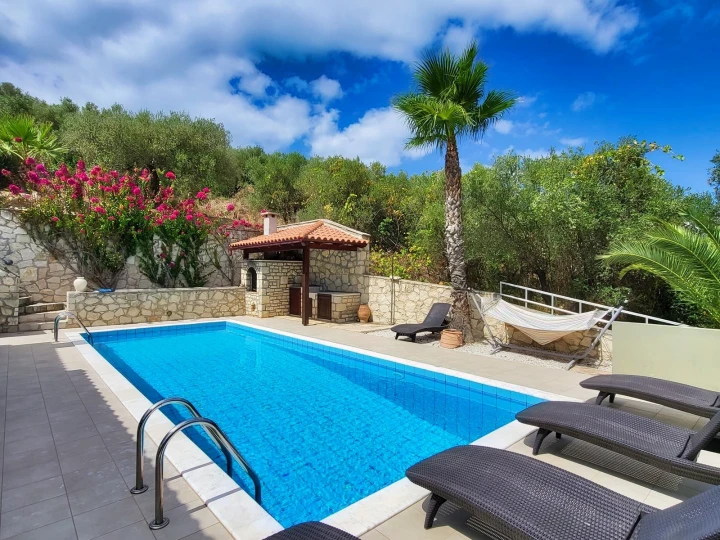
Maintaining a pool and garden can cost between 150 and 350 euros a month. This varies with the type of pool and the size of the garden.

Annual Upkeep

Most homes need occasional work over the years, such as painting, polishing, and repairs. In Greece, it is worth repainting pergolas and wooden items exposed to the sun so they keep looking new. Annual upkeep for an average home can range from 1,000 to 4,000 euros a year, depending on the quality of the construction and furniture.

Getting to Know the Locals

Wherever your home is, it helps to get to know the locals. Greeks are generally hospitable to newcomers and enjoy hearing about your life and interests. Here are a couple of easy ways in.

Visit a Local Taverna

Eating at a Greek taverna is a central part of life here. It often means sitting for hours with family and friends around the table. The food is fresh and local, with simple ingredients. Greek waiters are informal and may even sit down at your table on a quiet evening. Greeks will talk about anything over a meal, and they are naturally curious about visitors, so be ready for direct, personal questions and to share your own views.

Visit a Local Coffee Shop

You have not really experienced Greece until you have sat in a traditional kafeneion. A coffee shop here is more than a quick stop. Unlike the takeaway culture in many countries, the kafeneion is a place to slow down and spend time with others. A Greek coffee is often a first sign of hospitality to a newcomer, and it can lead to a meal, a new friendship, or a lively discussion. The locals will happily ask where you are from, what brings you to Greece, and where you are headed next. It is also the place to get advice on almost anything, or to learn what there is to explore nearby.

Sell Your Greek Property With Elxis

Contact us!

You might also like