
Skip to content

Types of Property in Greece: A Guide to Buying and Ownership

Purchase Tips

18.05.2026

Giorgos Gavriilidis

You've dreamed for years about your home in Greece: where it will be, the taverna meals you will have, and the summer sun. Now comes one of the logistics of buying a home in Greece: what kind of ownership you want.

Introduction to Greek Real Estate Market

The Greek property market has become a magnet for international buyers, thanks to its unique blend of rich history, breathtaking landscapes, and a welcoming investment climate. Over recent years, Greece has seen a surge in demand from property owners seeking everything from a sun-drenched holiday home on the islands to elegant countryside villas nestled among olive groves. The appeal lies not only in the country’s natural beauty and cultural heritage but also in the diversity of properties available, ranging from modern apartments in vibrant cities to traditional homes in tranquil villages across mainland Greece and popular islands such as Crete, Greece’s largest island, renowned for its size, regional diversity, and appeal to both tourists and residents: Mykonos, Rhodes, Corfu, and Santorini. Real estate investments in Greece can yield attractive returns, with both rental yields and capital appreciation driven by favorable market conditions and strong tourism demand. Residential real estate is geared toward long-term living or traditional rentals, primarily in urban centers like Athens and Thessaloniki.


Crete is the most popular island among foreign property buyers, attracting significant interest due to its diverse real estate options and stable rental income potential. Mykonos is known for its high rental yields, with prime properties earning gross attractive returns during the peak season, making it a hotspot for short-term rental investments. After Athens, Thessaloniki stands out as Greece’s second largest city, serving as a major economic and cultural hub. Thessaloniki has seen the fastest property price growth in Greece, with values increasing significantly in 2024, making it an attractive option for investors seeking capital gains. Rhodes ranks as the second most popular island for foreign property buyers, benefiting from a strong mix of tourism and heritage, with a few million visitors in 2024. Greek real estate is categorized by usage and location, with a market currently thriving due to tourism, foreign investment, and the Greece Golden Visa program. The average price varies significantly by region, reflecting local demand, infrastructure, and investment potential. Residential properties dominate the market in major cities, while vacation homes are the primary focus in coastal and island regions. According to recent market data, the first quarter of 2024 showed continued growth and stability in the Greek property market, highlighting positive trends for both buyers and investors.


For those looking to invest, Greece offers a stable and increasingly popular market, with opportunities for both lifestyle enhancement and long-term value. Property values in Greece rise steadily each year, with cities like Athens and Thessaloniki often exceeding the national average. In addition, sustainable homes in Greece are becoming increasingly popular, featuring energy-efficient designs and materials that reduce energy costs and environmental impact. Whether you are drawn by the promise of summer holidays, the potential for capital appreciation, or the dream of owning a piece of Greek history, buying real estate in Greece is worth investing in and provides a wealth of options for every type of buyer. The diversity of regions is another key attraction, from the cosmopolitan energy of Athens and Thessaloniki to the authentic local economies of islands like Thassos, where traditional industries such as olive oil production, fishing, and marble help maintain a grounded and genuine atmosphere.

Types of Property in Greece: Understanding Ownership

There are a few categories to consider when it comes to ownership: horizontal vs. vertical ownership, sole vs. joint ownership, and usufruct vs. bare ownership. Before purchasing property in Greece, buyers must obtain a Greek tax number (AFM), which is required for signing contracts, paying taxes, and transferring utilities. When buying real estate in Greece, it is important to understand the process and the legal formalities involved, as these steps are essential for a secure and successful transaction. Understanding these distinctions is crucial for anyone interested in the types of property in Greece. The Greek property market was significantly affected by the financial crisis, which led to a decline in prices and has shaped current investment opportunities. Legal due diligence is essential when buying property in Greece; this includes verifying the title at the Land Registry or Cadastre to confirm there are no debts, liens, or zoning issues. It is important to work with a lawyer who is well versed in Greek property law to ensure all legal requirements are met. Buyers interested in affordable options may also consider renovation projects, which can offer opportunities to increase property value through modernization.


In Greece, ownership of a property is officially transferred when the notarial deed is registered in the land registry, similar to systems in other European countries, ensuring legal validity and recording the change of ownership. In addition to taxes and fees, buyers should be aware of extra costs involved in a property purchase, such as notarial fees, legal fees, and other incidental expenses. It is important to budget for these extra costs to avoid surprises during the buying process.

Property Types in Greece: City Apartment and More

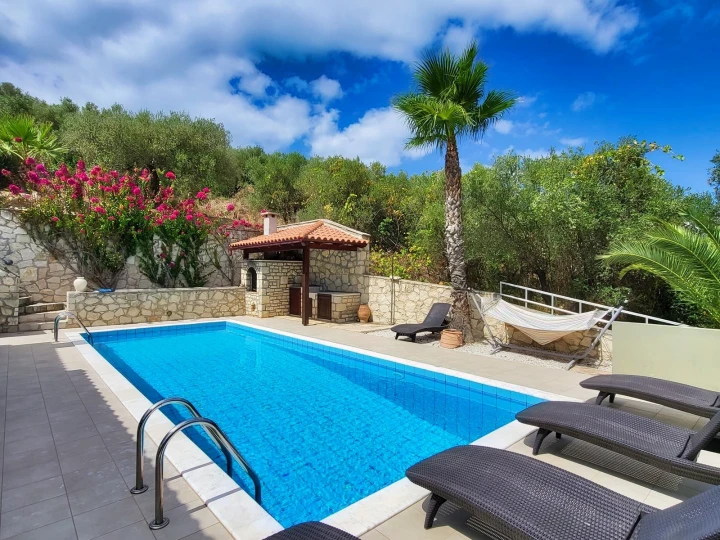
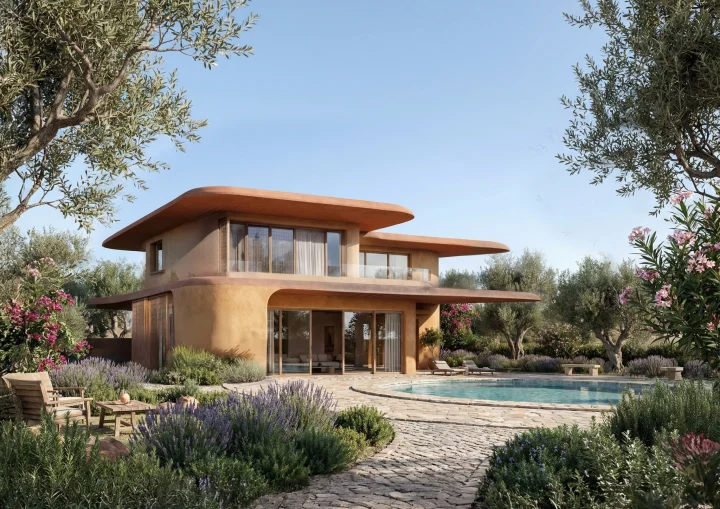
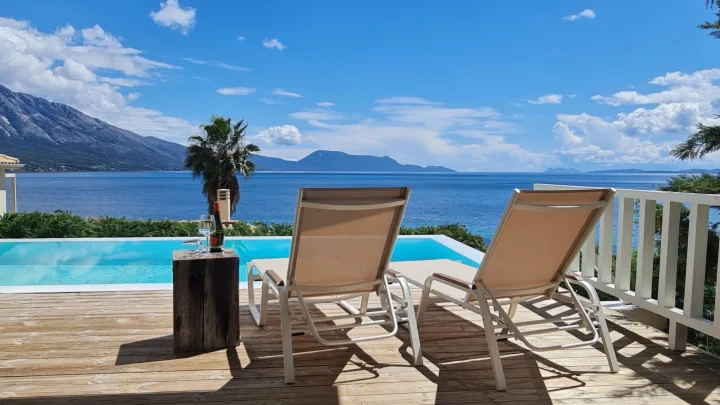
Greece offers a remarkable variety of property types, making it an appealing destination for international buyers with diverse needs and investment goals. If you’re considering buying property in Greece, you’ll find options ranging from sleek city apartments in bustling urban centers to charming houses and luxurious villas overlooking the Aegean Sea. Apartments in Greece can range from compact studios to larger homes, are found in both modern blocks and historic buildings, and some offer stunning sea views. A city apartment in Greece is especially popular among those seeking a convenient base in the heart of Greek culture, offering modern amenities, easy access to public transport, and location advantages such as proximity to shops, restaurants, and historical sites in cities like Athens and Thessaloniki. Many apartments and village houses are within walking distance of local shops, cafés, bakeries, and markets, enhancing daily convenience and lifestyle appeal. For those dreaming of a tranquil retreat, countryside homes and villas, many with private gardens or swimming pools, offer privacy and a taste of traditional Greek living. Villas in Greece are typically stand-alone properties often featuring gardens, pools, and outdoor amenities. Among commercial property options, logistics centers, office complexes, and production sites are available for businesses seeking to expand into Greece’s growing market.


Residential property remains a top choice for international buyers, particularly those looking for a holiday home on the Greek islands. These properties not only provide a personal getaway but also present opportunities for capital appreciation and rental income during the busy summer months. Coastal villas and townhouses are highly utilized as short-term rentals during the tourist season, offering high rental yields. Tourist properties in Greece include rooms for rent and countryside villas suitable for short-term leases, catering to the growing tourism market. When purchasing property, it’s important to factor in the annual property tax and transfer tax, as these can affect your overall investment. Greece offers a transparent legal framework and a wide selection of properties, ensuring that whether you’re seeking a modern apartment, a historic house, or a seaside villa, you’ll find something that fits your vision and budget. With the right guidance, buying property in Greece can be a rewarding step toward enjoying the Mediterranean lifestyle and securing a valuable asset.


Sustainable homes are increasingly popular, with many properties featuring energy-efficient solutions such as solar panels and solar water heaters. Thanks to Greece’s sunny climate, these renewable energy features help reduce energy costs and support environmentally friendly living. For those interested in land and development, building plots within city plans have immediate permission for development, making them ideal for new construction. In contrast, agricultural land outside city plans is often used for larger private developments, offering flexibility for bespoke projects.

Regions to Buy Property

Choosing where to buy property in Greece is a decision shaped by your lifestyle preferences and investment objectives. Central Athens stands out for those who crave vibrant city life, rich history, and easy access to cultural landmarks, making it ideal for both permanent residence and short-term rentals. The Greek islands, such as Mykonos, Santorini, and Corfu, are renowned for their unique charm, stunning sea views, and high demand during the summer months—perfect for holiday homes or lucrative rental investments. Corfu Town, in particular, is a prime location with higher real estate values and luxury property prices, offering excellent investment opportunities and convenient access to amenities. Crete, Greece’s largest island, offers a blend of natural beauty, historical sites, and a relaxed pace of life, attracting buyers interested in both city apartments and countryside villas. The Peloponnese region is another favorite, known for its scenic landscapes, ancient ruins, and authentic Greek villages. The Peloponnese is also a prime destination for yacht enthusiasts, featuring marina-side properties and a four-season lifestyle that appeals to both personal use and investment.


Each region presents its own character: some areas are conveniently located near amenities and transport links, while others provide a peaceful, secluded environment ideal for relaxation. The Ionian Islands are notable for their Venetian architectural heritage and historical importance due to Venice's influence. After Santorini, the Dodecanese islands are also recognized for their sugar cube-style houses and villas, reflecting distinctive architecture similar to that seen in Santorini. Understanding the local real estate market and property prices in your chosen region is essential for making a sound investment. Whether you’re drawn to the energy of central Athens, the allure of the Greek islands, or the tranquility of the mainland, property in Greece offers something for every taste and budget.

Buying Property in Greece as a Foreigner

Buying property in Greece as a foreigner is a well-established process, and Greece welcomes international buyers with relatively few restrictions. Both EU and non-EU citizens can purchase property in Greece, although non-EU buyers may need to obtain special permission for properties in certain border regions. The first step for any foreign buyer is to obtain a Greek tax number (AFM), which is essential for all property transactions, including signing contracts, paying the transfer tax, and setting up utilities. Foreign buyers are also advised to open a Greek bank account to facilitate the transfer of funds and payment of taxes and fees. Working with a reputable real estate agent and an experienced lawyer who is well versed in Greek property law is highly recommended to ensure a smooth and legally compliant transaction. These professionals can assist with due diligence, contract review, and navigating the legal formalities unique to buying property in Greece. It’s important for foreign buyers to be aware of the associated costs, such as the transfer tax, notarial fees, and annual property tax, which can impact the overall investment. With the right guidance and preparation, buying property in Greece can be a rewarding experience, offering access to a vibrant real estate market and the Mediterranean lifestyle.

Horizontal vs. Vertical Ownership

These terms refer to how a given property or piece of land is divided among the owners. In Greece, horizontal ownership refers to owning a specific unit in a shared property, such as an apartment within a building, while vertical ownership refers to owning both the building and the land it sits on, such as a detached house or villa. They determine what parts of the property or land you have access to and in what parts you can build additional features. In Greece, various types of properties are available for investment, including apartments, maisonettes, detached houses, villas, commercial properties, tourist properties, and hotels.

Horizontal Ownership

In the purchase of a horizontal property, the buyer gets a part of a building (usually an apartment or a basement) as well as a share of the common areas of the building (staircase, parking lot, garden, etc). For our Dutch readers, this is known as “appartementsrecht.” The percentage share of the common areas is not always equal for every horizontal property. Apartments, a common form of residential property in Greece, are typically found in 3–7-story urban buildings and are high-demand investment options, particularly in Athenian suburbs and city-center neighborhoods. If you want to build an additional feature onto the home like a swimming pool, a pergola, or a barbecue in a common area, you may need to get the consent of other co-owners. To do this, you will likely need a specific permit, called a “small-scale” permit. This, depending on the exact work that you want to do, would require the consent of either all the owners or a majority of the owners. The exact conditions for each permit are assessed by an engineer.

Vertical Ownership

You can think of vertical properties like plots. Unlike in horizontal ownership, there are no “common” areas which are divided among a number of horizontal properties. Instead, owners of vertical properties own both the building and the surrounding area. In general, vertical properties are considered much more independent, as you do not engage in any kind of co-ownership. These are often stand-alone homes, unlike other properties that share walls or common areas, offering greater privacy, space, and exclusivity. There are some exceptions to this, including if there is a common parking lot, a tennis court, or a network of walking paths.

Note on Horizontal/Vertical Ownership

There will probably be a regulation established by the very first owner of the land, who did the division of the properties. This regulation may have limitations for certain owners. It is a good idea, before you buy a horizontal or vertical property, to have your lawyer check this regulation

Sole vs Joint Ownership

These terms refer to how a single property is split among two or more owners. Property owners in Greece benefit from strong legal protections and ownership rights, making joint ownership a secure option for families and partners. This will pertain to you if you are planning to buy a home along with a spouse, a family member, or a colleague.

Sole Ownership

Sole ownership is the simplest option, where an individual owns the property. The individual is able to sell, gift, and bequeath the property without getting permission from someone else.

Joint Ownership

Jointly owned properties are held in the name of 2 or more parties, like husband and wife, business partners, friends, and family members. One reason to jointly own a property is that one party may want to sell their share later on. The payment can be a 50-50 split, or one partner can have a larger share of the property. Each owner is able to transact, sell, or bequeath their part of the property without consulting the other owners.

Usufruct Ownership

Usufruct is a legal right that allows an individual the temporary right to use and gain an income from someone else's property. Imagine a father who owns a rental property, and their son/daughter who will eventually own the property themselves. The father grants the bare ownership to the child and keeps the usufruct right for himself. This way, the father is still the one to use and gain income (fruit) from the property (e.g., rent it), and the child has the bare/naked ownership. This means that when the usufruct is terminated, the child will become the complete owner of the property. As long as the usufruct exists, if the owners wish to sell the property, all owners (usufruct and bare) will have to consent to the transfer deed. The granting of a usufruct right on immovable property must be completed before a Notary. According to the owner's wishes, the Notary can specify a duration or have it for life, which is the most common choice. Understanding the various property ownership structures in Greece, such as horizontal and vertical ownership, can help you make an informed decision and ensure your investment aligns with your lifestyle and financial goals.

Property Management in Greece

Property management in Greece is a vital consideration for international buyers seeking to protect and maximize their real estate investment. Whether you own a city apartment in Athens, a holiday home on the Greek islands, or a countryside villa, effective property management ensures your property remains in excellent condition and delivers optimal returns. This involves a range of services, from routine maintenance, repairs, and rent collection to more strategic tasks like tenant sourcing, lease management, and compliance with local regulations. For international buyers, navigating the Greek property landscape can be complex, especially when it comes to understanding the local tax system and legal requirements. Many property owners choose to work with local property managers or real estate agents who are well-versed in Greek property law and administrative procedures. These professionals can handle everything from paying annual property tax to managing short-term rentals, ensuring your investment is both compliant and profitable.


Additionally, property management plays a crucial role for those participating in the Golden Visa program, as maintaining your real estate investment is essential for retaining residency status. Whether your property is intended for personal use, rental income, or a combination of both, having reliable management in place allows you to enjoy peace of mind and focus on the benefits of owning property in Greece. With the right support, your Greek property can become a rewarding asset, offering both lifestyle advantages and attractive financial returns.

Navigating Greek Property Ownership

Navigating Greek property ownership is a journey that blends the excitement of acquiring a piece of Greece’s rich history with the practicalities of real estate investment. The Greek real estate market offers a diverse array of opportunities, from modern city apartments and charming holiday homes to luxurious villas on the Greek islands. For international buyers, understanding the nuances of property purchase, ownership structures, and local regulations is essential to making informed decisions and safeguarding your investment. Successful property ownership in Greece hinges on thorough due diligence, awareness of legal and tax obligations, and a clear understanding of the different types of ownership available. The potential for capital appreciation, steady rental income, and the added benefit of Greek citizenship through the Golden Visa program make investing in Greek property an attractive proposition. Whether your goal is to secure a holiday home for summer escapes, generate income through short-term rentals, or establish a long-term residence, Greece offers a welcoming environment and a wealth of options. By partnering with experienced professionals who are well-versed in the intricacies of Greek real estate, you can navigate the process with confidence and ease. With careful planning and expert guidance, your property purchase in Greece can open the door to a rewarding lifestyle, financial growth, and a lasting connection to one of the world’s most enchanting destinations.

Seeking a House in Greece?

Contact us!

You might also like