Skip to content

10 Things You May Find Strange When Buying a House in Greece

Purchase Tips

15.05.2026

Giorgos Gavriilidis

Buying a house in Greece comes with many things people already expect: sunshine, sea views, olive trees, village squares, and terraces that seem specifically designed for “just one more coffee.” But the buying process itself may also include a few details that feel different if you are used to purchasing property elsewhere. The Greek real estate process has its own rhythm, local habits, and practical steps. Some are legal. Some are technical. Some are simply part of life in Greece.


Here are 10 things you may find a bit strange when buying a house in Greece.

1. The Same Property May Appear With Several Agents

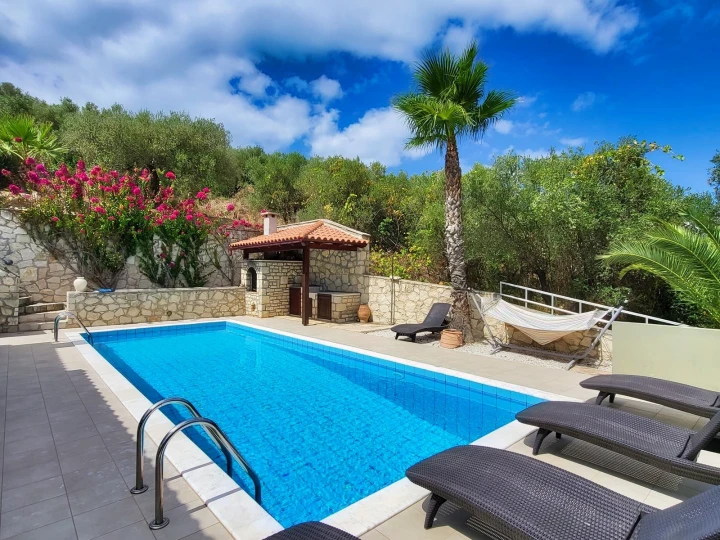
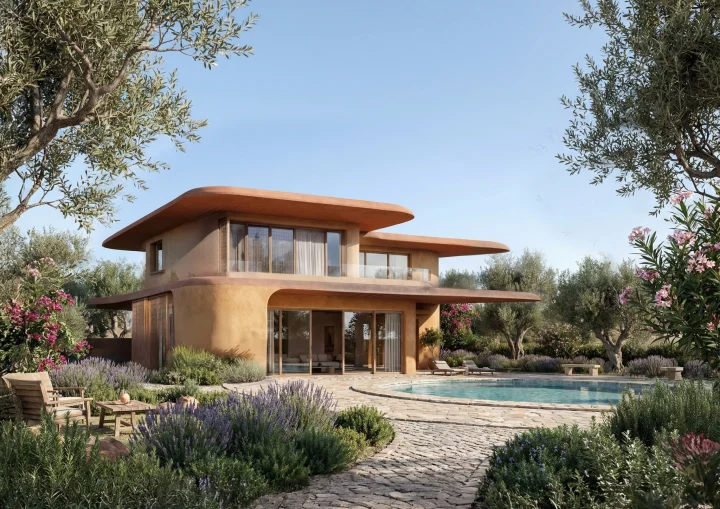
You may find a villa online, save it, then find it again five minutes later on another website. Same pool, same view, slightly different description. For a moment, you may wonder whether Greece has a very specific architectural cloning programme. In reality, this is quite common. Some sellers in Greece work with more than one real estate agency at the same time, rather than giving exclusivity to just one. This means the same property can appear in several places online. For buyers, the best approach is to work with an agent who can clarify the details for you. A reliable agent can confirm whether listings refer to the same property, check the correct price, and tell you whether the home is still available.

2. One Agent May Be Involved With Both Buyer and Seller

In some countries, buyers and sellers each have their own agent. In Greece, one real estate agent may sometimes be involved with both sides of the transaction. This may feel unexpected at first, but it is not unusual. The agent’s role is often to introduce the property, arrange the viewing, support communication, and help the process move forward smoothly. What matters most is clarity. As a buyer, you should know how the agent is involved, what the fee is, and what support you can expect. A good agent will explain this from the beginning, so everyone knows where they stand.

3. You Will Need a Lawyer

When buying a house in Greece, a lawyer is a significant part of the process, undertaking certain tasks that you might expect from the notary. Your lawyer checks the legal status of the property, reviews ownership titles, confirms that the seller has the right to sell, and looks for any issues connected to the property. This is especially important in Greece, where homes can have long ownership histories, inherited land, or older documents. The viewing shows you the sea view. The lawyer checks everything behind it. Both are important. Only one looks good in photos.

4. The Purchase Sum Is Paid Directly to the Seller

In Greece, the final purchase amount is paid directly to the seller, rather than through an escrow system. For many international buyers, this is simply different from what they are used to. The payment is still part of a formal legal process and takes place around the signing of the final contract before the notary. Your lawyer and notary will explain when and how the payment should be made, what documents are needed, and how to keep everything properly recorded. This is one of those moments where “I’ll just figure it out myself” is not the ideal strategy.

5. The Seller Provides the Engineer’s Certificate

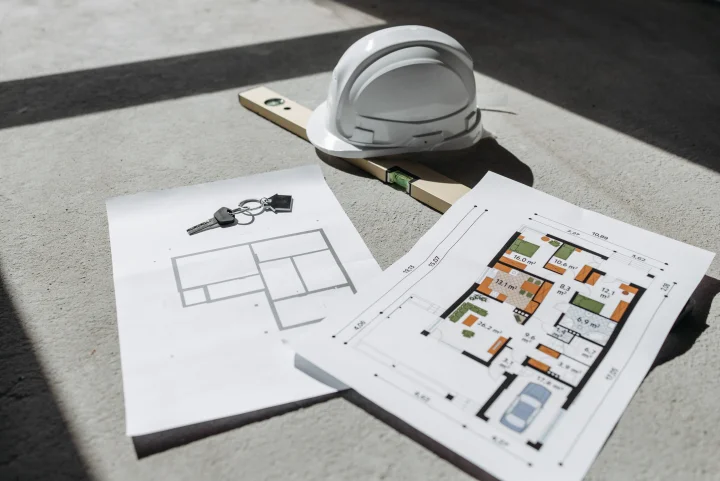
Before a property can be sold in Greece, an engineer must check the property and issue the necessary technical certificates. These confirm that the building corresponds with its legal and planning status. This is arranged and paid for by the seller, because these documents are required for the sale to proceed. As a buyer, you may still choose to appoint your own engineer if you want an additional technical opinion, particularly for older homes, or renovation projects. Think of it as a second pair of professional eyes. Very useful, especially when your own eyes are busy admiring the terrace.

6. A Countryside Home May Not Have a Typical Address

In rural Greece, countryside homes do not always come with the neat street name and house number that buyers from other countries may expect. A home outside a village might be identified by the nearest settlement, local area name, plot location, or coordinates instead. For everyday life, the bigger surprise is often the mail. In many rural areas, post is not delivered directly to the front door. Instead, it may be delivered centrally, such as to the nearest village, local post office, community office, or shared collection point, where residents pick it up themselves. Think of it less as “waiting for the postman” and more as “going to visit your letters.”

7. You May Sign a Viewing Document Before Seeing a Property

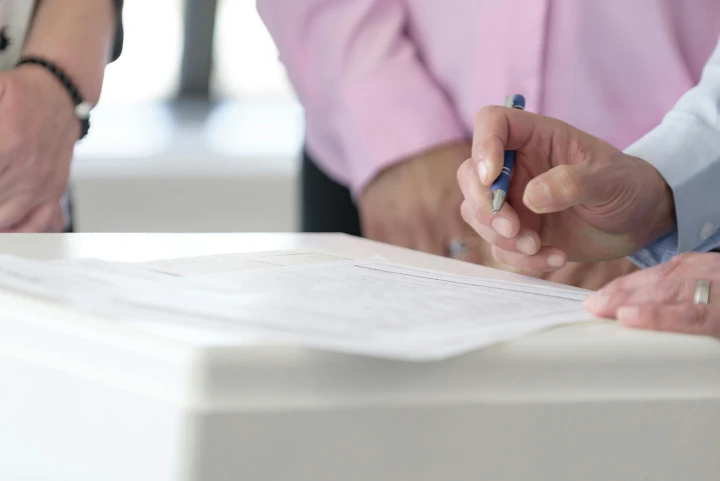
Before a viewing, an agent may ask you to sign a document confirming that they introduced you to the property. This is usually called a viewing agreement or property indication form. It protects the agent’s role if you later decide to buy that specific home. It does not mean you are making an offer or committing to purchase. It simply records that the property was shown to you by that agent and that you agree to their fee should you proceed with a purchase. As with any document, sign it only if it’s in a language you understand, read it carefully and ask for an explanation if something is unclear. Signing something before seeing the kitchen may feel formal, but in this case, it is usually a standard part of the process.

8. A Viewing May Include Coffee

In Greece, hospitality often finds its way into everyday life, and property viewings are no exception. You may meet the owner, sit for a coffee, hear about the area, and get recommendations for the nearest beach, bakery, or taverna. A viewing can sometimes feel more personal than expected. This can be a lovely part of the experience. It gives you a sense of the home beyond the walls and windows. You may learn how the house is used in summer, what the neighbourhood feels like, or where the best shade is in the afternoon. Coffee is not part of the legal process. But emotionally, it does seem to help.

9. Outdoor Space Can Be the Main Character

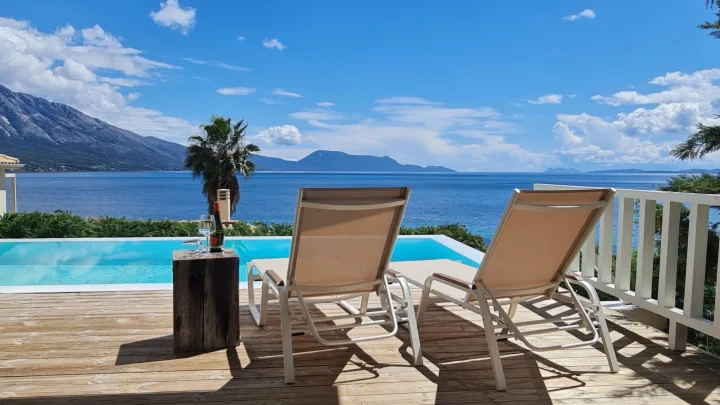
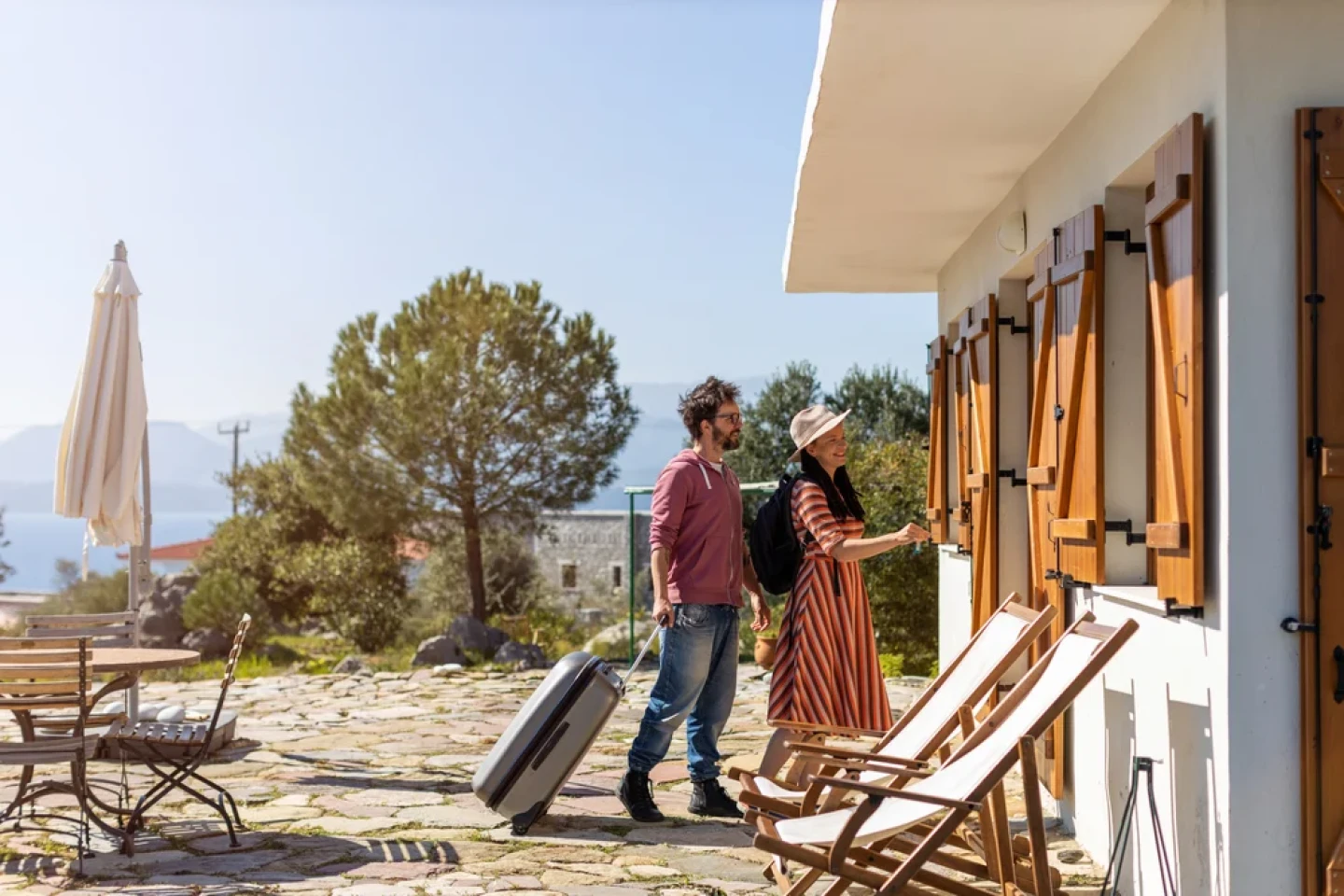
When buying a home in Greece, especially a holiday home, the terrace, garden, courtyard, or veranda may be one of the most important parts of the property. A house may have a compact interior but offer generous outdoor areas for dining, relaxing, reading, and spending time with family or friends. In the Greek climate, outdoor living is not an extra feature. It is part of daily life. That is why buyers often fall in love with a shaded terrace, a sea-facing balcony, or a quiet courtyard as much as with the house itself. In some homes, the living room is technically inside. In practice, everyone is outside.

10. The Process Is Practical, But Still Personal

Buying property in Greece involves formal legal steps: tax numbers, notarial contracts, due diligence, engineer certificates, payments, and registration. At the same time, the experience can feel warm and personal. You may meet the owner, hear stories about the home, speak with local professionals, and slowly get a sense of the area you are buying into. This combination is part of what makes the process memorable. It is practical, structured, and official, but it can still feel human. There are documents, signatures, and procedures. There may also be coffee, local tips, and a conversation about where to buy the best bread. Greece rarely chooses only one.

Strange At First, But Easy To Navigate With Proper Support

Buying a house in Greece may include a few details that feel unfamiliar at first. But once they are explained, they make sense. Multiple listings, direct payments, due diligence, engineer certificates, rural addresses, viewing forms, and coffee during a viewing are all part of the local property landscape. At Elxis – At Home in Greece, we have been helping international buyers find and purchase homes in Greece since 1991. With 35+ years of experience, our real estate and legal teams guide you through each step, making the process clear, secure, and easy to follow from the first viewing to the final signature.

Seeking a House in Greece?

Contact us!

You might also like