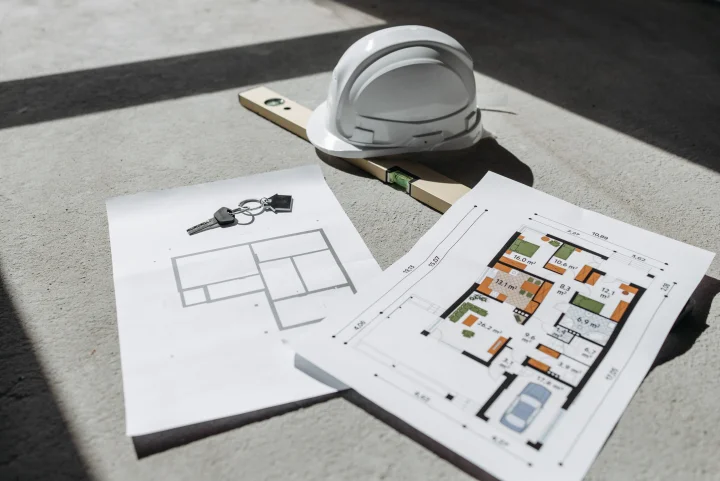

“I need to be a Greek citizen to buy a home in Greece, right?” “Don't I need a Greek bank account to buy a home in Greece?” “I signed a Private Purchase Agreement... does that mean I own the house now?” In this article, we present the most common misconceptions we hear from clients. Keep in mind, this is perfectly normal if you're buying a home in Greece for the first time!
Introduction to Greek Real Estate
The Greek real estate market is a very appealing blend of ancient heritage and modern opportunity, attracting buyers from around the world. Whether you’re drawn to the vibrant streets of Athens, the sun-drenched islands, or the tranquil countryside, Greece offers a diverse range of properties to suit every taste and investment goal. For foreign buyers, the process of buying property in Greece is more accessible than ever.
Many real estate agents in Greece speak English and are experienced in guiding international clients through each step of the buying process. From initial property searches to navigating legal requirements, the Greek real estate market is well-equipped to support buyers who may not speak Greek. With the right guidance, purchasing a home in Greece can be a smooth and rewarding experience, allowing you to enjoy everything this beautiful country has to offer.
1. “I Νeed a Greek Βank Αccount to Βuy a Ηome in Greece”
You do not need a Greek bank account to buy a home in Greece. You can make all necessary payments relevant to the purchase or sale of a home from a bank account in your home country.
2. “I Need to be a European Citizen to Buy a Home in Greece”
Both EU and non-EU citizens, including most foreigners, can buy a home in Greece. However, non-EU citizens may face specific restrictions in certain regions considered as “border areas,” where an additional permit is required. Read more about buying in border areas here. Foreign investors, including non-EU citizens, can also benefit from the Greek Golden Visa program, which grants residency permits to those who invest in property.
If you are an EU resident, you can stay in Greece for as long as you wish. If you are a non-EU resident, you can stay in Greece for 90 days per six-month period. Once your property purchase is properly registered with the Cadastre or land registry, foreign buyers have the same legal property rights as Greek citizens, including the ability to own, sell, rent, or inherit the property without restrictions.
3. "I Need to Speak Greek to Buy a Home in Greece"
Most of our clients don't speak Greek. Unless you're planning to go through the whole buying process yourself, you don't need to speak Greek. By giving your Greek lawyer power of attorney, they can do every part of the process that requires Greek.
4. “Real Estate Agents in Greece Only Speak Greek”
It's common for most real estate agents in Greece to speak English. Only certain real estate companies will speak languages other than Greek and English. At Elxis - At Home in Greece, you have access to native English, Dutch, and German speakers to answer all inquiries in your language. You can find a full breakdown of the types of real estate offices in Greece here.
5. "Greece Doesn't Have VAT Taxes"
You may have heard of a “VAT exemption” in Greece. This means that a builder or developer can apply for an exemption, not that VAT doesn’t exist in Greece. Normally, building companies or professional builders in Greece need to charge 24% VAT when transferring newly built homes to their first owners. Greek developers have the option to apply for a VAT exemption for their construction projects until the end of 2025.
In that case, the buyers won’t have to pay 24% VAT for a house in such a project; instead, the buyer will pay 3.09*% transfer tax. This is an initiative of the Greek government to make it easier to buy newly-built properties. Property taxes in Greece also include the annual property ownership tax, known as ENFIA, which is relatively low compared to many other European countries, making long-term ownership cost-effective. The transfer tax is 3% of the property value and should be included in your overall budget.
Property prices in Greece are generally low compared to other big cities in Europe, offering good value for money. However, property prices can vary significantly between different cities and regions. Location is a crucial factor influencing property value, market fluctuations, and agent fees in the Greek real estate market. The Greek property market offers a variety of property types, including residential homes, commercial properties, and land for development, catering to both personal use and investment opportunities.
Properties in Greece are not limited to vacation homes or holiday properties; there are strong opportunities for year-round real estate investment, including long term rentals in urban centers like Thessaloniki and Athens. The market includes diverse opportunities, from luxury villas and apartments in tourist hotspots to affordable properties in developing areas, making it accessible for various budgets.
If you buy a plot with the intention of building a home, you will need to pay transfer tax (3.09%*) on the purchase of the plot. When construction starts, the contractor will issue invoices (with VAT) for all construction stages. You can not get a VAT exemption for these invoices. Good to know: all homes on our website include VAT, where applicable. Additionally, Greece taxes rental income progressively, starting at 15% for income up to €12,000 and increasing for higher brackets. One of the biggest risks in buying property in Greece is the potential for hidden costs, such as fees for legal verification, notary services, and property transfer taxes, which can add a typical range of 7-10% to the purchase price. However, these costs are low compared to many other countries.
*Important update: The Greek Prime Minister, Kyriakos Mitsotakis, has announced that the property transfer tax for purchases by non-EU citizens is set to rise to 15%, with the change expected to apply from 1 January 2027. The implementing legislation has not yet been published, so the final scope, including how it may treat plots of land and commercial property, is not yet confirmed.
6. "Hiring a Lawyer is Not Necessary in Greece When Buying a Home”
A lawyer is one of the most important and useful resources you can have as a foreign buyer of real estate in Greece. Hiring an independent lawyer is essential, as they provide unbiased legal assistance and ensure compliance with Greek law. Legal assistance is crucial for verifying the real owner of the property and checking for other encumbrances, such as unpaid debts or liens, since only a lawyer can access the necessary information from the Cadastre or local land registry.
When buying real estate in Greece, buyers should not rely solely on verbal promises or a single party, such as an agent, but must verify property legality and ownership through official documents. Problems arise when there is unclear ownership or incomplete verification, which can lead to serious legal and financial issues. The property buying process in Greece is structured and secure, supported by a clear legal framework that protects buyers, especially when assisted by qualified professionals such as lawyers and notaries.
To verify a property's compliance with architectural blueprints, buyers must hire a local civil engineer before making a deposit. An estimated 30% of Greek properties contain structural irregularities, such as unpermitted expansions or enclosed terraces. Foreign buyers are often pressured to sign a preliminary contract or sales contract or pay deposits before completing necessary legal checks, which can lead to serious legal and financial repercussions if issues arise later. Foreign buyers often overlook the importance of hiring an independent lawyer to conduct thorough due diligence, which can prevent costly mistakes. The lawyer assists you with the following:
Researching Land Titles
The lawyer checks the sequence of ownership titles and the existence of liens (mortgages, third-party claims etc.) to ensure that everything is legally in order (due diligence).
Special Permits
The lawyer can advise on any extra permits required in certain areas of Greece. For example, special permits may be required for foreigners buying in border areas. Other exceptions apply for forestry land, areas of military interest, and Natura 2000 conservation areas.
Reviewing and Negotiating Purchase Agreements
The lawyer can prepare the private purchase agreement, one of the first steps in buying a home in Greece. The lawyer can also advise or review the terms and conditions of the contract on your behalf to make sure that your best interests are safe.
Transferring Ownership of the Property
If you have signed a Power of Attorney, your lawyer can sign the final purchase deed on your behalf, which transfers ownership of the property into your name. Additionally, the lawyer can help register the deeds with the Land Registry and/or the Hellenic Cadastre. Ultimately, thinking that property transfer processes are routine and always straightforward is a misconception. In reality, steps like land registry, verification of encumbrances, and cadastral updates can involve bureaucratic delays, especially in remote areas. Having a proactive local contact or legal advisor can save time and headaches.
7. "If I Found a House Myself, I Can't Go to Elxis For the Legal Handling"
More than a third of our clients have found their dream house themselves and then asked us to supervise and handle the purchase. We will assist during the first discussions with the seller, making arrangements by means of a private agreement, cadastral survey, and notary deed.
8. “I Need to be in Greece to Buy a Property”
You don't need to be in Greece to buy a home. If you sign a Power of Attorney (POA), your lawyer can represent you throughout the entire purchase process and take any necessary actions on your behalf, even when you're not in Greece. For example, your lawyer can represent you at the tax office for your Greek Tax Number and sign the final contract, so the purchase moves forward while you are abroad.
9. “I Can Sign a Power of Attorney Online"
Unfortunately, it's not possible to sign a Power of Attorney online. You can sign a POA either at the Greek Consulate in your home country or at a local public notary office in Greece. In some countries, like Belgium and the Netherlands, you can also sign a POA at a local notary.
10. “Any Lawyer in Greece Can Handle a Property Purchase"
When buying a home in Greece, you will need a lawyer specializing in the legal handling of real estate purchases and sales.
11. Due Diligence and Research
Before committing to buying property in Greece, it’s crucial to conduct thorough due diligence and research. This means verifying the property’s legal status, ensuring there are no unclear ownership issues, and checking for any other encumbrances that could affect your investment. An independent lawyer is invaluable in this process, helping foreign investors navigate the legal framework and avoid potential pitfalls.
Understanding local property prices and market trends is also essential, as the Greek government has introduced measures to encourage foreign investment and streamline the buying process. By taking the time to research the market and work with qualified professionals, buyers can protect their interests and make informed decisions, ensuring their investment in Greek real estate is both secure and rewarding.
12. Property Viewing and Inspection
Once you’ve identified a property that catches your eye, arranging a thorough viewing and inspection is a vital next step. This process allows you to assess the property’s condition, confirm its size and layout, and ensure it aligns with your expectations. A detailed inspection can reveal potential issues or defects, giving you the opportunity to negotiate a better deal or avoid unexpected costs later on.
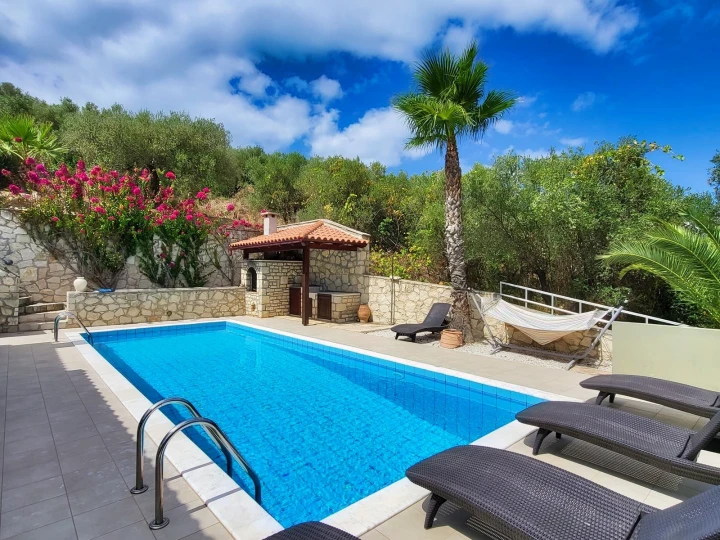
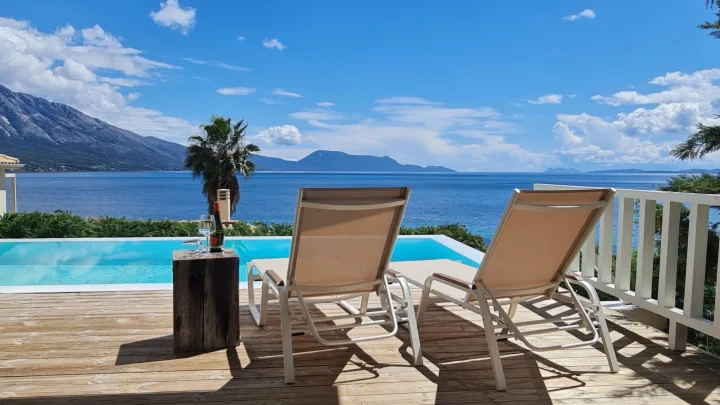
In Greece, properties in tourist areas and urban centers range from sleek modern apartments to charming traditional villas, offering something for every lifestyle and investment strategy. Whether you’re seeking a vacation home, a long-term rental, or a unique investment opportunity, taking the time to inspect properties carefully will help you make the right choice in the Greek market.
Conclusion
In summary, buying property in Greece is an exciting opportunity for foreign buyers, offering access to a rich cultural heritage, stunning landscapes, and attractive property prices. While the process can be complex, especially for those unfamiliar with the local legal framework, working with an independent lawyer and conducting thorough due diligence can help you avoid surprises and ensure a smooth transaction.
The Greek real estate market is open and welcoming to foreign investors, with a wide range of properties to suit every need. Whether you dream of a vacation retreat, a long-term rental investment, or a permanent home in Greece, the reality of owning Greek real estate is within reach. With the right support and careful planning, you can confidently invest in the Greek market and enjoy all the benefits this remarkable country has to offer.

.jpg)