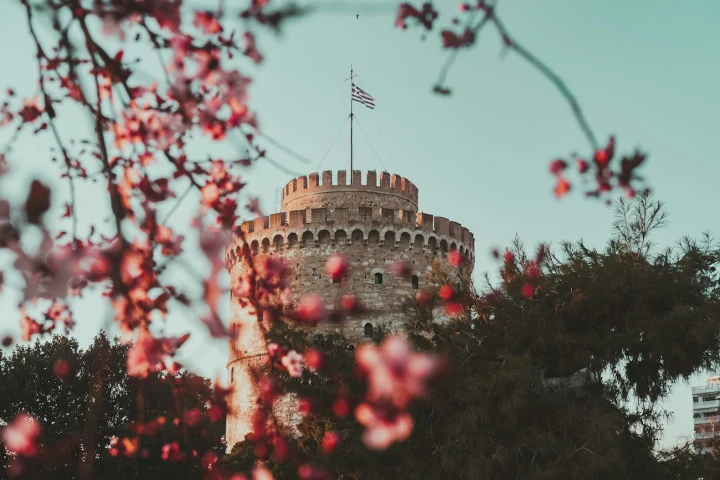
History of Thessaloniki
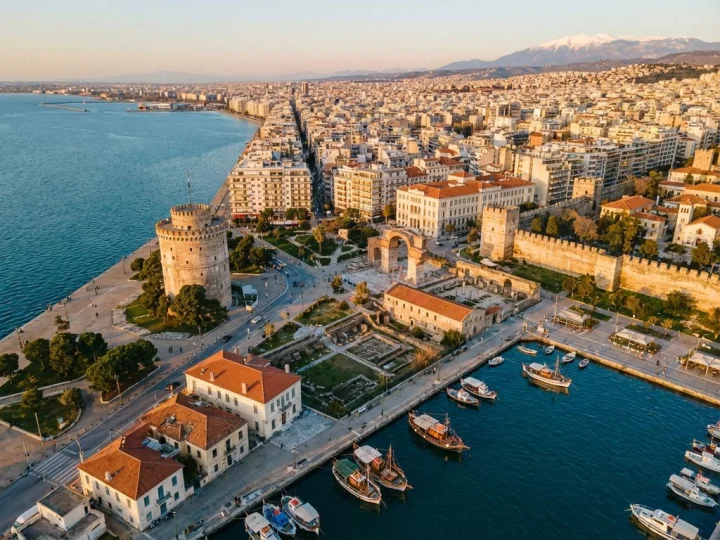
Thessaloniki is the second biggest city in Greece, located in the north of the country, in the region of Central Macedonia. At times, Thessaloniki natives referred to the city as the “co-capital”, not to propagate the popular cultural rivalry with Athens but rather to highlight the historical importance of the city, which was considered the co-capital of the Byzantine Empire because of the strategic positioning the port of Thessaloniki enjoyed.
Things to See in Thessaloniki
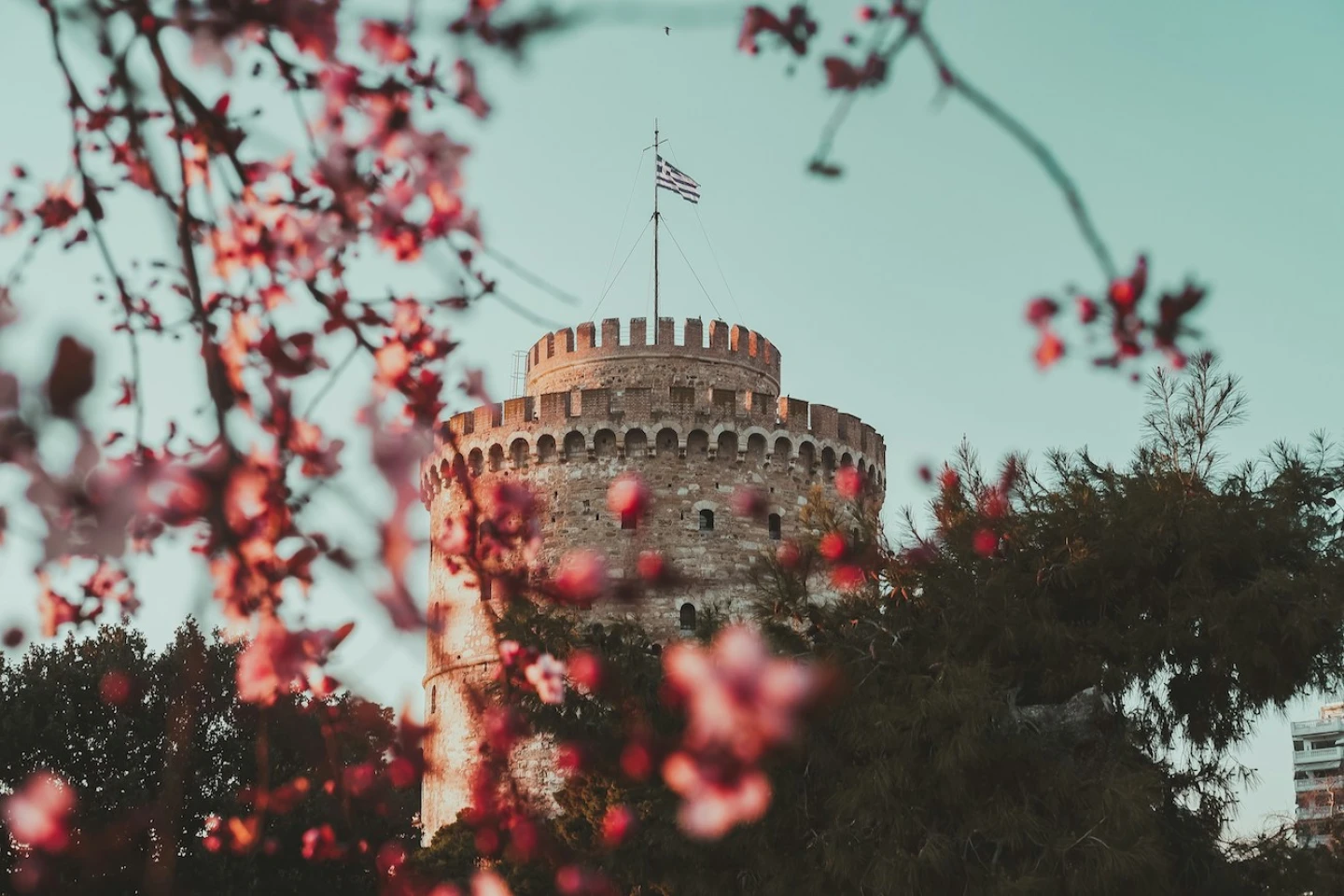
Folklore aside, Thessaloniki’s rich history is evident around almost every corner. Nowadays, however, the city is not only favoured by history aficionados, but the city’s vibrant cultural life attracts over 8 million visitors annually!
The historical sites in Thessaloniki date as early as 315 BC, when the Macedonian King Cassander named the city after Alexander’s the Great's half-sister, to contemporary projects such as the 2008 renovation of the famous Nea Paralia, the renowned 6km-long waterfront promenade.
Thessaloniki's Byzantine Monuments
Within the city’s centre, you will find 15 UNESCO World Heritage Monuments, most of which are Early Christian and Byzantine churches. Remarkable is the Rotunda, an impressive round building decorated with marvellous mosaics, which initially functioned as the mausoleum of Roman Emperor Galerius but was converted to a church and later a mosque and is used today due to its excellent acoustics as a unique cultural centre.