The Modern-Day Marathon
In the full version of the story, Pheidippides ran much more than 42 kilometers (the length of the modern marathon). This was simply the last leg of the legendary runners’ journey. Some versions of the story say that Pheidippides ran over 500 kilometers in a number of days. So how did the current race get so short? What is the real story of the modern day marathon?
In a Robert Browning poem in 1879 titled “Pheidippides,” the author refers to the last leg of his journey from Marathon to the Greek capital. One of the members of the first edition of the Olympic games read the poem and proposed that the distance be used for the first marathon in the 1896 Olympics.
Pheidippides: The Runner
More historians agree that Pheidippides was born in 530 BC and was a courier, whose job it was to run messages to other cities. As the story goes, Pheidippides’s first task was to run to the city state of Sparta to ask for their help in the Athenians' battle against the Persians.
Pheiddipides' Path to Sparta
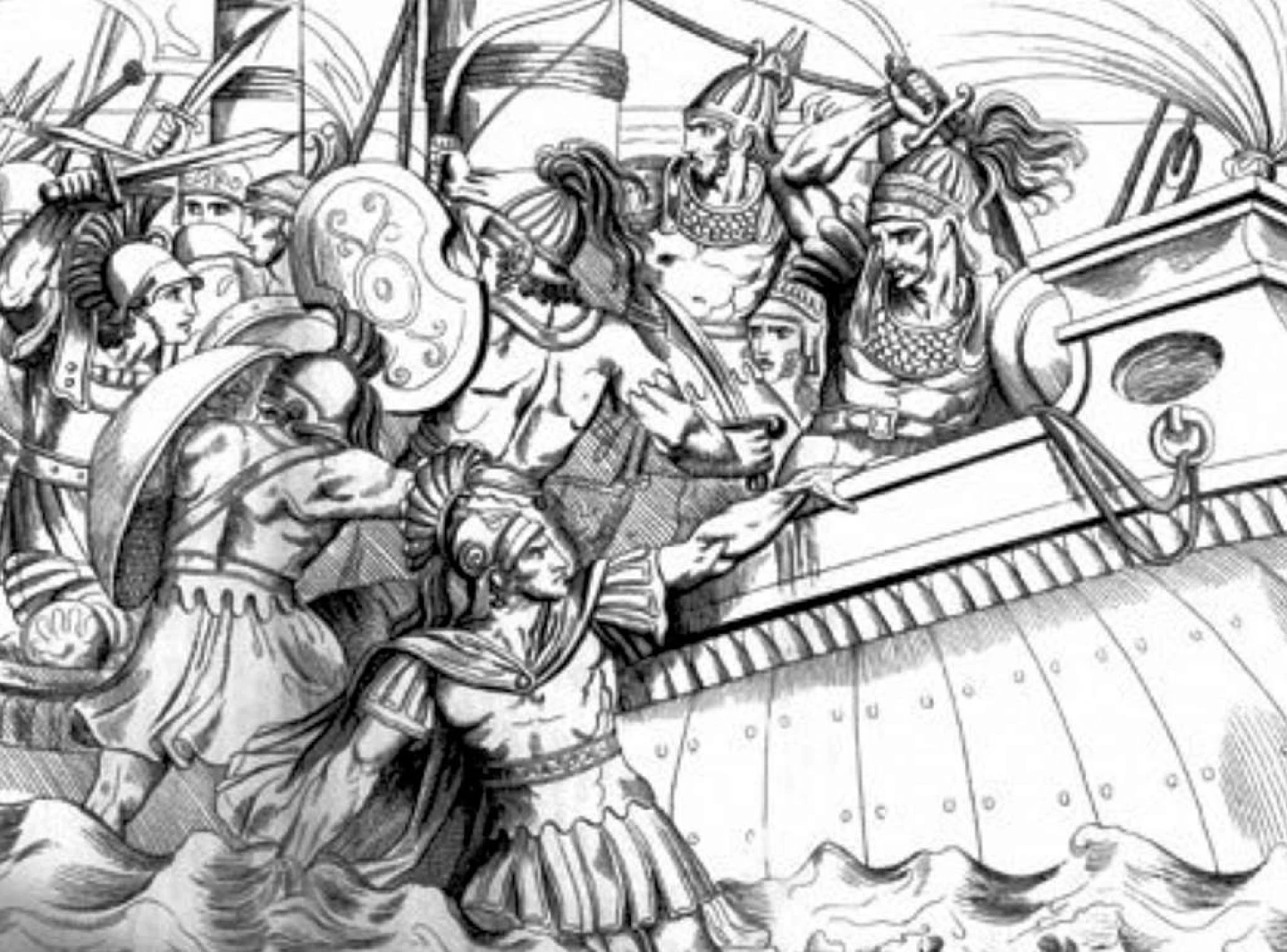
The Persian army of 250,000 men and 600 ships invaded Greece and was coming towards Athens. Their plan was to land at Marathon, defeat the Athenian army there (about 10,000 men), and then sail to conquer the capital. To get help from the Spartans, Pheiddipides would need to run over mountains in the Peloponnese, through Arcadia, through Isthmia, Examilia and the city of ancient Corinth, before arriving in Nemea.