Kalamata city break 2026 is quickly becoming a phrase to watch. According to a recent feature by The Times, Kalamata has been named one of Europe’s top city-break destinations for 2026, an accolade that places this coastal city of the southwest Peloponnese firmly on the international travel map.
Ranked 12th among the best European city-break destinations, Kalamata stands out as a refreshing alternative to larger, busier Greek cities. With its relaxed pace, authentic character, and direct connection to both sea and countryside, the city is gaining attention not only from travellers, but also from long-term thinkers considering lifestyle moves and property opportunities.
Why The Times Chose Kalamata for 2026
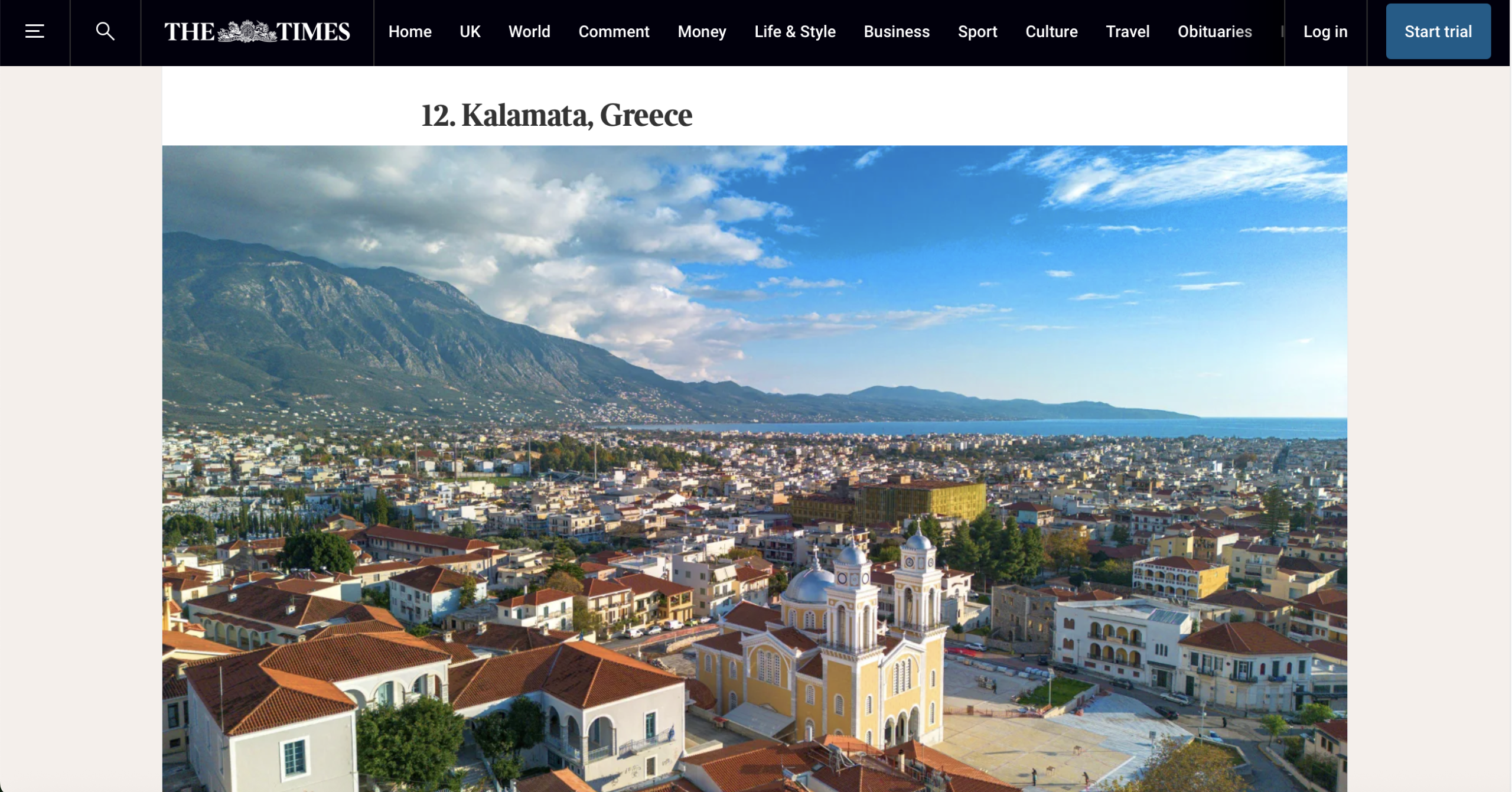
In its annual travel feature, The Times focused on European cities that offer beauty, culture, affordability, and ease of access, without the pressures of mass tourism. Kalamata was highlighted as a destination that delivers all the above.
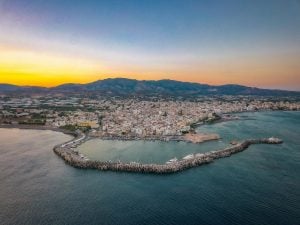
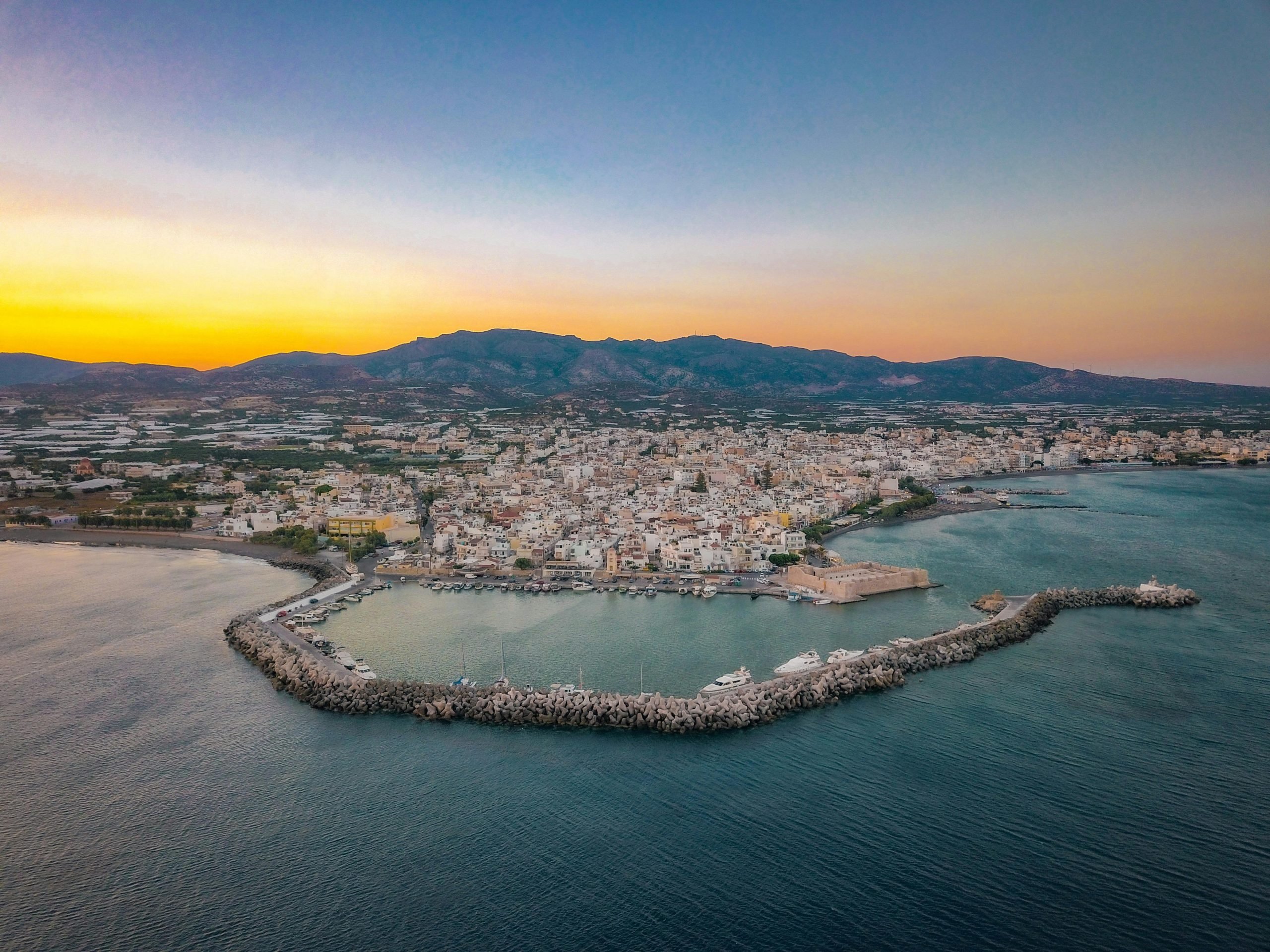
Editors described the city as “criminally underrated,” pointing to its terracotta-roofed old town, medieval castle, Byzantine churches, and Blue Flag beaches that stretch alongside the city. Add to this traditional tavernas, contemporary wineries, and world-famous Kalamata olives, and the result is a city break that feels both rich and relaxed. “Kalamata is ideal either as a starting point for your own Homeric odyssey or as a short and sweet weekend break,” the editors write.
The city’s growing visibility is no accident. The Peloponnese recently served as a filming location for Christopher Nolan’s upcoming film The Odyssey, bringing additional global attention to the region. At the same time, new direct British Airways flights from London Gatwick, launching in April 2026, have significantly improved accessibility from the UK, a market of strategic importance for Greece. As we recently mentioned here, Messenia also gained international attention after being included in a New York Times’ list of 52 places to go in 2026.
A City That Matches Modern Travel Trends
One reason Kalamata city break 2026 resonates so strongly is its alignment with current travel preferences. Today’s travellers increasingly seek destinations that feel authentic, walkable, and human in scale.
Kalamata offers:
– A compact city centre with a strong local rhythm
– Direct access to beaches, mountains, and olive groves
– A vibrant food culture rooted in local production
– An atmosphere that feels lived-in, not staged
Unlike destinations built primarily around tourism, Kalamata remains a working Greek city, something that appeals to visitors who want more than a postcard experience. It’s no coincidence that data from the Region of Peloponnese showed that arrivals at Kalamata International Airport grew by almost 10% (9,8%) between January and August 2025 compared to the same period last year, as we highlighted in a previous article.
How This Affects the Real Estate Sector
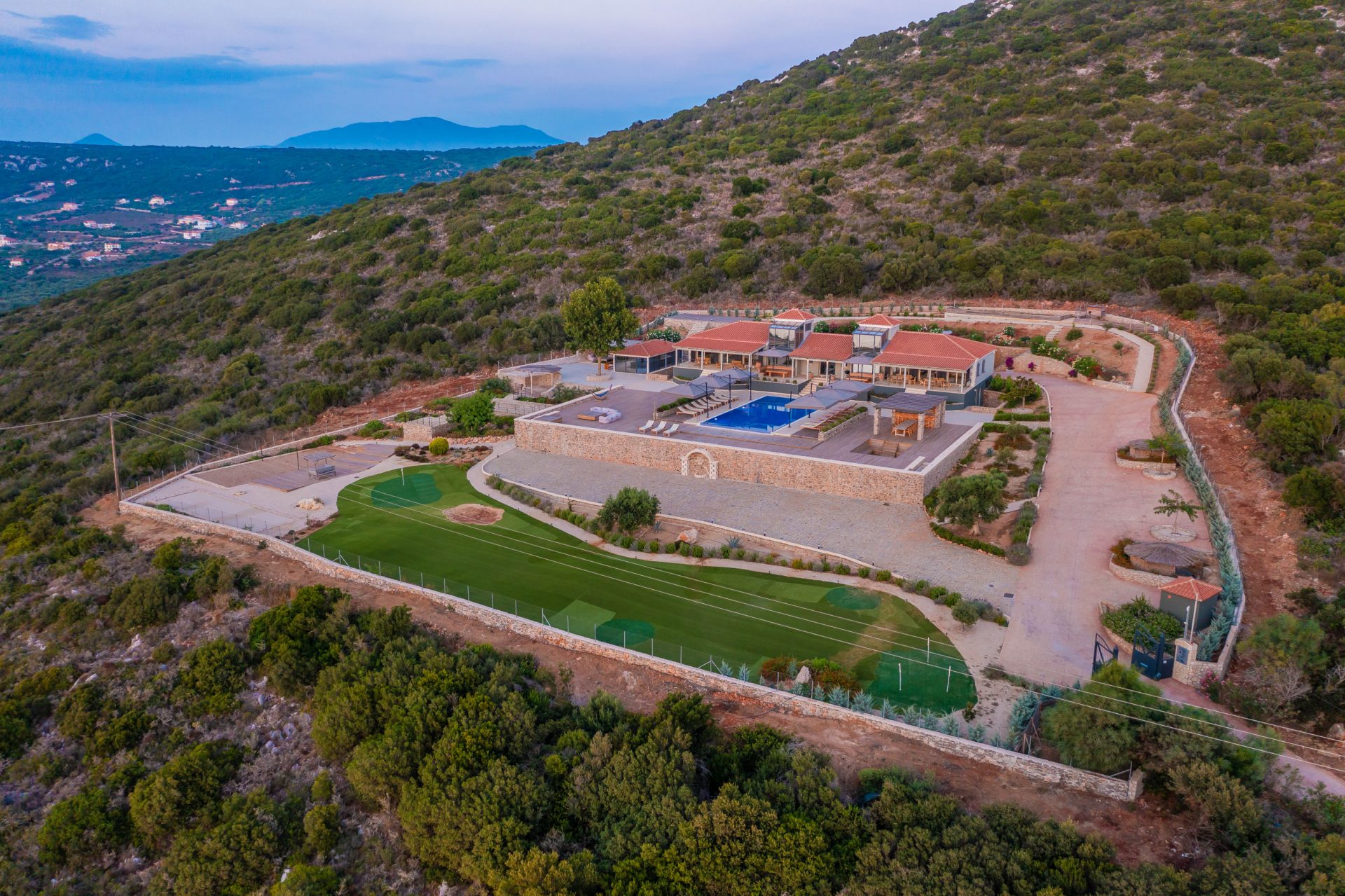
When a city begins to attract high-quality tourism and international media attention, the effects often extend beyond short stays. Increased visibility, improved connectivity, and lifestyle appeal naturally feed into real estate interest, particularly among buyers seeking second homes, long-term stays, or future relocation options.
Kalamata’s advantages are clear:
– Property prices remain more accessible compared to Athens or popular islands
– Demand is driven by lifestyle, not speculation
– The city offers year-round liveability, not just seasonal appeal
As city-break destinations gain popularity, they often become magnets for buyers looking for a balance between urban comfort and Mediterranean quality of life.
A Cultural Detail & Distinction of Kalamata
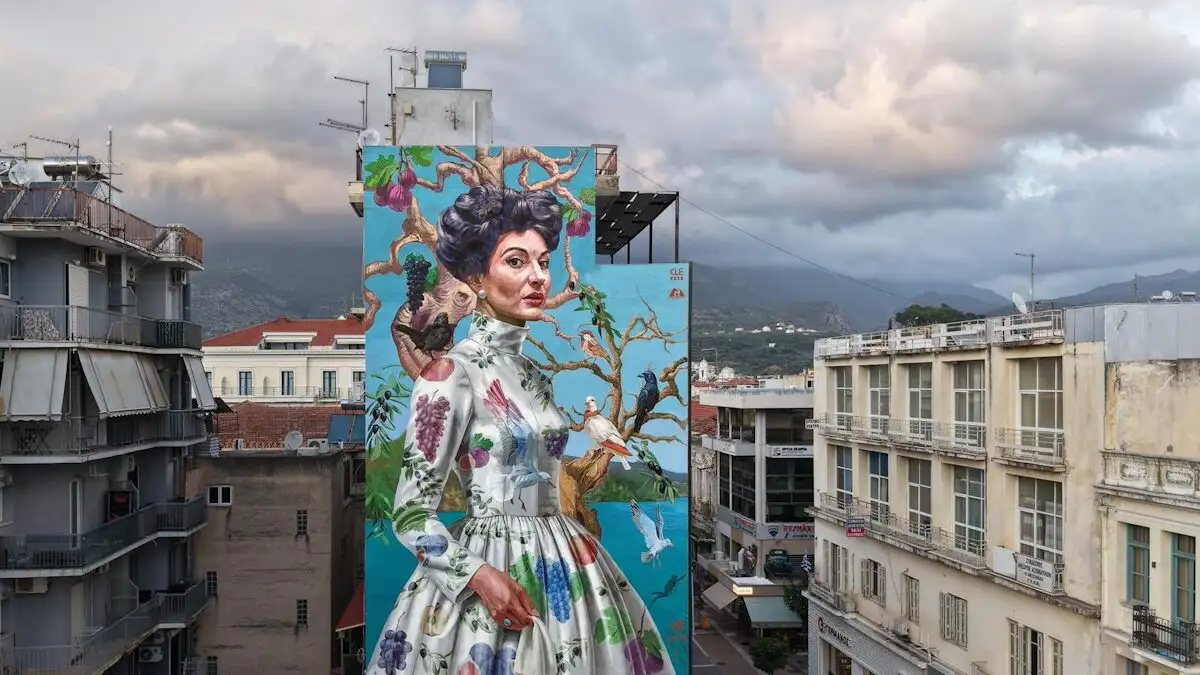
Maria Kallas, Kalamata
Adding a final cultural layer to Kalamata’s rising profile, the city made global headlines in 2025 when a mural of Maria Callas on Aristomenous Street was voted Best Mural in the World by Street Art Cities.
Street Art Cities is an international platform showcasing more than 83,000 murals across 1,918 cities worldwide, making this recognition particularly significant. The seven-storey artwork by Greek artist Kleomenis Kostopoulos was praised for bringing poetry, colour, and imagination into the heart of the city, symbolising the deep connection between people, nature, and culture that defines Kalamata and Messinia.
It’s a small detail, but one that reflects a broader truth: Kalamata is not just growing as a destination, it is evolving culturally, creatively, and confidently.
As The Times puts Kalamata firmly on the European city-break radar for 2026, the city is entering a new phase, one defined by quality tourism, cultural visibility, and long-term appeal.