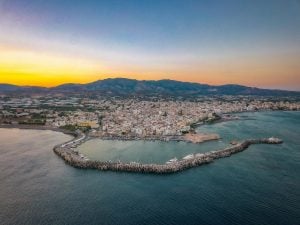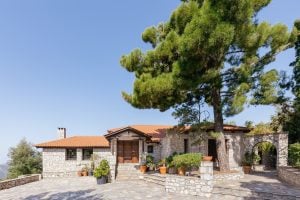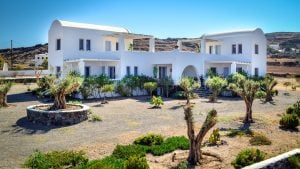
When comparing Thessaloniki and Halkidiki for Greek property investment, Thessaloniki offers an urban lifestyle and consistent rental demand as Greece’s second-largest city, while Halkidiki provides coastal living with seasonal tourism potential. Both locations qualify for the Greek Golden Visa programme, though property prices and investment returns vary significantly. The choice depends on your lifestyle preferences, budget, and investment objectives.
What are the main differences between buying property in Thessaloniki versus Halkidiki?
Thessaloniki represents Greece’s vibrant urban centre, while Halkidiki offers pristine coastal living with three distinct peninsulas. Thessaloniki provides year-round city amenities, universities, cultural venues, and established infrastructure. Halkidiki offers beachfront properties, natural beauty, and seasonal tourism activity concentrated in the summer months.
Property types differ considerably between these locations. Thessaloniki features predominantly apartments, renovated neoclassical buildings, and modern developments near the city centre. The Thessaloniki property market includes student accommodation, family residences, and commercial properties serving the metropolitan area’s 1.1 million residents.
Halkidiki properties range from seaside villas and traditional stone houses to modern resort-style developments. The three peninsulas – Kassandra, Sithonia, and Mount Athos – each offer distinct characteristics. Kassandra provides the most developed tourist infrastructure, while Sithonia maintains a more natural, unspoilt environment.
Infrastructure varies significantly between urban Thessaloniki and coastal Halkidiki. Thessaloniki offers comprehensive public transport, international airport connectivity, healthcare facilities, and educational institutions. Halkidiki relies more on seasonal services, with some areas experiencing reduced amenities during the winter months.
How do property prices compare between Thessaloniki and Halkidiki?
Property prices in both locations depend on proximity to key amenities, with Thessaloniki city centre commanding premium rates and Halkidiki beachfront properties attracting the highest values. Central Thessaloniki apartments typically cost more per square metre than inland Halkidiki properties, though prime coastal locations can exceed urban prices.
Several factors influence pricing in each area. Thessaloniki prices reflect urban demand, proximity to universities, transport links, and the renovation status of older buildings. The Thessaloniki real estate market benefits from consistent local demand and international buyer interest.
Halkidiki property prices fluctuate based on sea views, beach access, tourist infrastructure, and seasonal rental potential. Waterfront properties command significant premiums, while inland locations offer more affordable entry points for buyers seeking Greek property investment opportunities.
Both locations involve additional costs beyond the purchase price. Transfer tax applies at 3.09% of the property value, calculated on the higher of the purchase price or the government-determined objective value. Total acquisition costs typically range from 8–14% above the purchase price when including legal fees, notary costs, and registration expenses.
Which location offers better rental income potential for investors?
Thessaloniki provides consistent year-round rental demand from students, professionals, and business travellers, while Halkidiki offers higher seasonal rates during the summer months but limited winter rental activity. Thessaloniki rental yields remain stable throughout the year, whereas Halkidiki properties may achieve higher peak-season returns.
The rental markets serve different tenant demographics. Thessaloniki attracts long-term tenants including university students, young professionals, and relocated workers. This creates predictable income streams, with standard Greek rental contracts typically running for 12 months or longer.
Halkidiki rental income relies heavily on short-term holiday lettings during the May–September tourist season. Properties near popular beaches can achieve premium nightly rates, though income concentration in the summer months requires careful financial planning for year-round expenses.
Rental regulations affect both locations. Short-term rental properties require AMA (Property Registration Number) licensing and compliance with Greek tax obligations. Long-term rentals in Thessaloniki must meet residential standards and tenant protection requirements under Greek property law.
What lifestyle advantages does each location offer to property owners?
Thessaloniki offers authentic Greek urban living with year-round cultural activities, dining, shopping, and social opportunities. The city combines historical significance with modern conveniences, offering museums, festivals, universities, and vibrant nightlife. Healthcare and educational facilities provide comprehensive services for residents.
Daily life in Thessaloniki includes walkable neighbourhoods, reliable public transport, and diverse employment opportunities. The city’s position as northern Greece’s commercial centre creates business networking possibilities and professional development options.
The Halkidiki lifestyle centres on coastal relaxation, outdoor activities, and a seasonal community atmosphere. Property owners enjoy private beach access, water sports, hiking opportunities, and the slower pace of Mediterranean coastal living. The natural environment provides a peaceful retreat from urban pressures.
Climate considerations differ between locations. Thessaloniki experiences typical continental Mediterranean weather with hot summers and mild winters. Halkidiki’s coastal areas benefit from sea breezes and slightly moderated temperatures, though the winter months see reduced commercial activity and social opportunities.
How do Golden Visa requirements work differently in Thessaloniki versus Halkidiki?
Both Thessaloniki and Halkidiki qualify for Greece’s Golden Visa programme, though investment thresholds vary by specific location within each region. The current minimum investment requirement is €250,000 for conversion of building use (for example, from commercial use), €400,000 for most areas, with higher thresholds of €800,000 applying to certain prime locations, including parts of central Thessaloniki.
Property types eligible for Golden Visa investment include residential properties, commercial real estate, and mixed-use developments in both locations. The Greek Golden Visa locations programme accepts various property categories, provided they meet minimum value requirements and legal ownership criteria.
Processing considerations remain consistent regardless of location choice. Applicants must complete the property purchase, obtain the necessary documentation, and submit residency applications through the Greek immigration authorities. The timeline typically requires a minimum of 18 months for completion, especially when administrative processes or legal formalities encounter delays.
Strategic advantages differ between urban and coastal investments. Thessaloniki properties may offer better resale liquidity and rental income stability, while Halkidiki coastal properties provide lifestyle benefits and potential tourism-related returns for Golden Visa investors seeking EU residency.
Which location is better for different types of property buyers?
Investment-focused buyers seeking consistent rental income and capital appreciation potential may prefer Thessaloniki’s stable urban market and year-round demand. The city’s economic diversity, educational institutions, and transport connectivity support long-term property values and rental sustainability.
Lifestyle buyers prioritising holiday homes, retirement properties, or seasonal residences often favour Halkidiki’s coastal environment and recreational opportunities. When exploring the best areas in Greece for property purchases, buyers typically seek beach access, natural beauty, and peaceful surroundings away from urban density.
Budget-conscious buyers can find opportunities in both locations depending on specific requirements. Thessaloniki offers renovation projects and emerging neighbourhoods with growth potential, while inland Halkidiki provides affordable entry points to the Greek property market.
Golden Visa investors must balance investment requirements with lifestyle preferences and exit strategy considerations. Both locations satisfy programme criteria, though urban Thessaloniki may offer better long-term liquidity, while coastal Halkidiki provides enhanced quality of life during ownership periods.
The decision between Thessaloniki and Halkidiki ultimately depends on your specific objectives, whether prioritising investment returns, lifestyle benefits, or Golden Visa requirements. Each location offers distinct advantages for different buyer profiles and investment strategies. For personalised guidance on Greek property investment opportunities and legal requirements, we encourage you to contact our experienced team for expert advice tailored to your specific situation.
Disclaimer: This content is for informational purposes only and does NOT constitute legal or tax advice. For any issues relating to specific cases, it is highly recommended to consult a lawyer, an accountant, or a notary, depending on your needs.