

20.10.2026
The Most Famous Homes in Greece
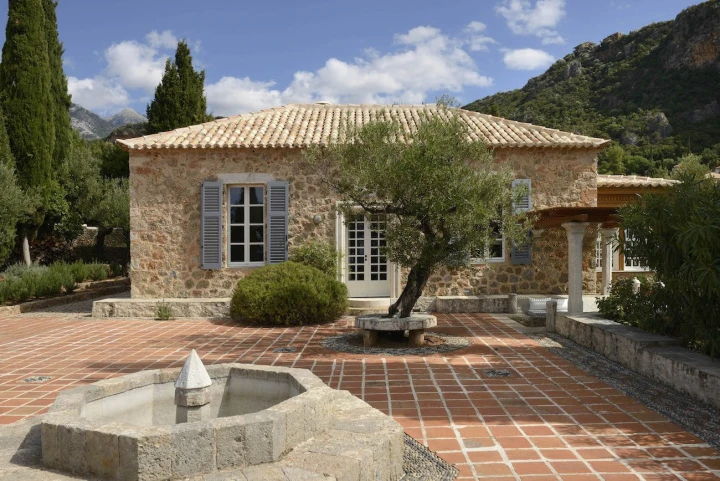
There are some houses in Greece that gain fame because of the people who lived in them, such as writers and musicians, or even... a king!
History & Culture
15.11.2024
With some of the best action scenes and characters larger than life, the movie 300 was a big hit.
The story follows the 300 Spartan soldiers, an elite unit trained from a young age for war, and led by Leonidas, their warrior king (Gerard Butler, in the movie). But does 300 accurately represent the Battle of Thermopylae in the Peloponnese? How closely did the movie match the actual events and characters? Who were the Spartans and Leonidas?
In the real passage of events, an army of over 100,000 Persians under the rule of Xerxes set out to conquer Greece, both by land and by sea. The battle of Thermopylae – depicted in the 300 movie – was a real event during the siege of the Persians, but it was based on a comic book about the battle, and the filmmakers changed a few facts to make 300 a more thrilling movie. In this article, we highlight the myths and realities of the 300 Spartans.
Leonidas was not the only King of Sparta, as the movie. The other king of Sparta stayed at home to manage politics in the capital and to protect the city. Also, the real King Leonidas was about 60 years old when he went to Thermopylae, much older than he is shown in the movie.
In the movie, Leonidas sets out to defend Thermopylae with his group of elite soldiers, as if it were a brave solo mission. However, this isn’t exactly how it happened. When the Spartans learned that the Persians were coming and they needed to battle at Thermopylae, it was during a major religious festival called “Carnea.”
The festival lasted for eight days, and no conflict was allowed, much like was the case during the Ancient Olympic Games. So, Leonidas, one of the two kings of the Spartans, was sent to delay the Persians until the whole Spartan army could join them.
Along with Leonidas’s 300 men, there were also 3800 Peloponnesians from the surrounding area –mainly Arcadians, Corinthians, Tegeans, Mantineans, Philians, and Myceneans. All together, there were about 6200 men in the army, plus another 900 if you count the three slaves for each Spartan warrior. This would still be impressive if we consider that there were over 100,000 men in the Persian army.
Similarly, this means that more than 300 men sacrificed their lives at Thermopylae. About 700 hoplites from Thespiae also joined the final fight to the death, meaning that more non-Spartans than Spartans gave their lives in the battle.
The Persian army in 300 is misrepresented as being disfigured in many ways, which was not true. The Emperor Xerxes I is depicted with many piercings. While it is true that Xerxes was worshiped as a God, he likely did not have so many piercings.
Spartan boys were raised in a very specific way, living in common barracks and fed the same amount of food, neither to starve nor to eat too much. As part of their education, they learned to fight, to gather their own food, and also to read, write, sing, and dance. In a particular challenge, every boy needed to wander alone in the wilderness for an entire year, barefoot, and to steal the food that they needed to live.
Only by completing this education could they become members of Spartan society. This was represented well in the movie, except for the role of Leonidas. Leonidas, because he was the first child of the family and would become king, would in reality not be part of the same education system.
In the movie 300, the Spartan soldiers are sometimes shown charging the enemy alone, breaking from the formation. In reality, this would not have happened. The Spartans were strong, especially because of their “phalanx” formation, where nobody fights alone. If the formation is broken, they are much weaker.
The Persian troops came from the north, where they had captured other areas of Greece. A large part of the Persian army also came by sea, where they had crossed over from the Dardanelles in modern-day Turkey. The battle shown in the movie takes place at Thermopylae, where the Persian army was forced into a very small path in order to keep moving south. They finally overcame Leonidas and his troops when they were shown a long route to the south by a traitor.
Sparta is a small, sleepy village in the Peloponnese. It's a terrific destination for a road trip in the Peloponnese, combined with visits to UNESCO sites and beautiful coastal towns like Kalamata, Kardamyli, and Nafplio. About 20,000 people live in Sparta today, and they are friendly and welcoming to foreigners (unlike some of the scenes from the movie). Some of the top sights in Sparta today include the Ancient Theatre of Sparta, Gkortsologou Street, the Archaeological Museum of Sparta, the Olive and Greek Olive Oil Museum, the Statue of Leonidas, and the Spartathlon monument.
20.10.2026
There are some houses in Greece that gain fame because of the people who lived in them, such as writers and musicians, or even... a king!
05.10.2026
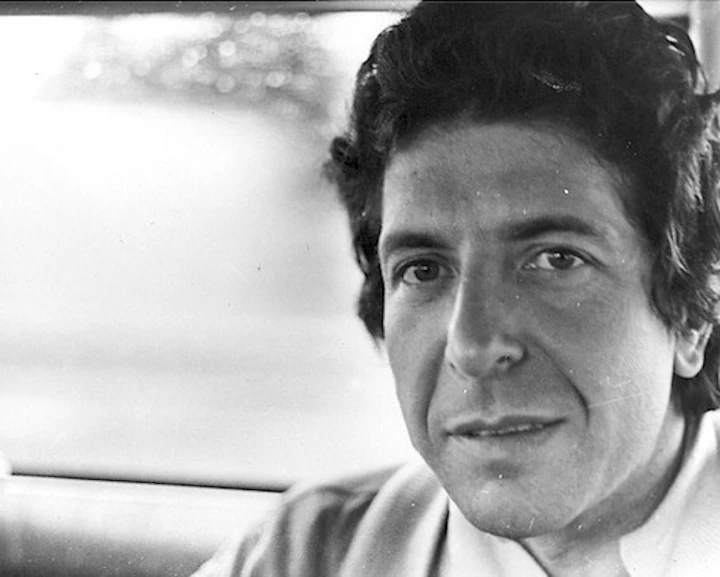
In his poem, "Days of Kindness", from 1985, Leonard Cohen describes Greece as being a good place to read by moonlight on the terrace. He knew this from experience. Hydra was his home for much of the 1960s. He arrived in the spring of 1960, aged 25, and later bought a house on the island, where he wrote much of his early work. Many places on Hydra still carry traces of him, even now that Hydra has become far better known.
16.04.2026
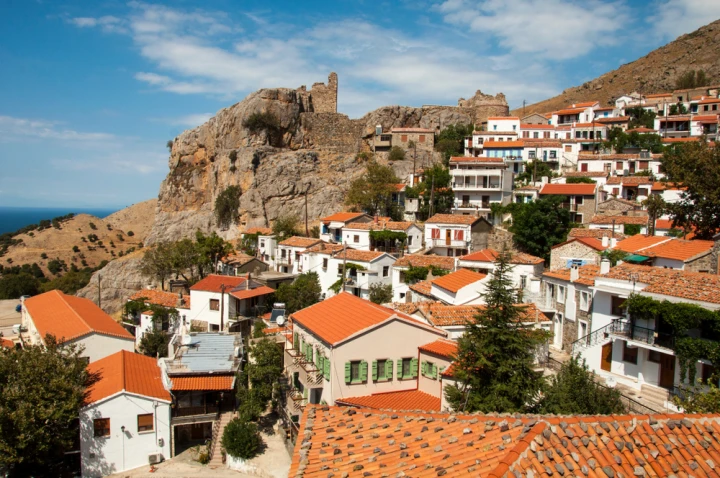
Greece is often associated with ancient history, island landscapes, and carefully preserved traditions. Less discussed, however, is another layer of its identity: its place names. Across the mainland and the islands, thousands of villages carry names that can sound unexpectedly funny or strikingly literal to a modern Greek speaker. These are not recent inventions or deliberate attempts at humor. Most date back centuries, shaped by geography, daily life, local dialects, and historical circumstances. What makes them stand out today is the shift in language over time. Words that once served as straightforward descriptions of land, resources, or communities can now feel unusually direct or unexpectedly humorous. Looking at these names more closely offers insight into how earlier generations observed their surroundings and chose to define them.
20.03.2026
Greece has long been more than a travel destination. For centuries, writers have been drawn to its history, natural beauty, and authenticity, finding in Greece not just a setting, but a source of inspiration that shapes narratives, characters, and perspectives.
19.02.2026
02.01.2026
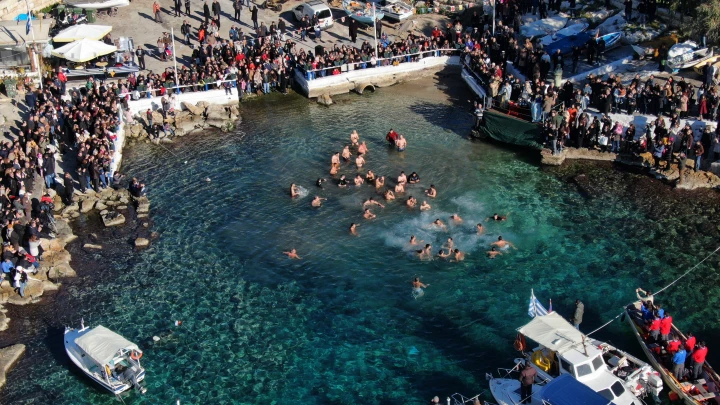
In Greece, the holiday season does not end on New Year’s Day. Instead, it culminates in one of the most symbolic celebrations of the year: Epiphany, known in Greek as Theofania. More than a religious holiday, Epiphany in Greece represents the triumph of light over darkness, a spiritual “new beginning” for individuals and communities. For anyone living in Greece, or dreaming of owning a home here, Epiphany offers one of the most authentic snapshots of local culture. From the blessing of the waters to ancient folk rituals, this day reveals the deep connection between the Greek people, nature, and tradition.
30.12.2025
Crete is stepping into the global spotlight once again. According to Airbnb’s latest travel trend insights based on worldwide search data from Q3 2025, the island — and especially the iconic Samaria Gorge National Park — ranks among the most sought-after nature destinations for 2026. This surge reflects a broader shift in how people choose where to travel, live, and invest. Travellers are no longer looking only for beaches or city breaks. Instead, they are drawn to authentic natural environments, outdoor experiences, and destinations that offer both beauty and balance, qualities that Crete delivers effortlessly.
19.12.2025
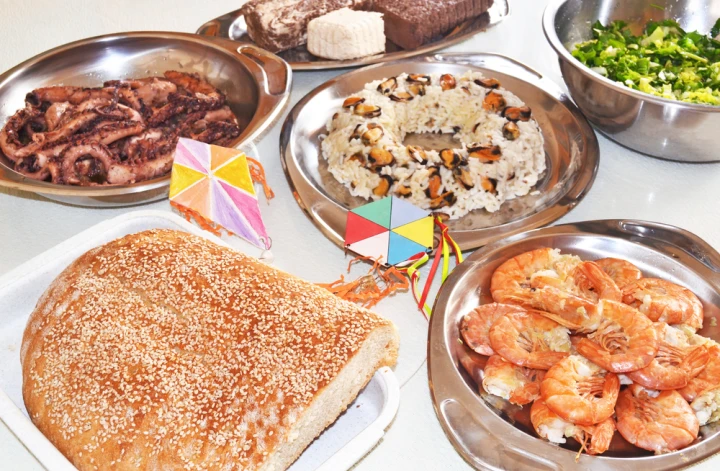
Greece is known mostly for its pristine beaches and its endless summers. Also, Greek cuisine, with its unique Mediterranean dishes, is widely sought after. What might feel surprising is the magical beauty during Christmas in Greece. The country has a long festive season that runs from Christmas to Epiphany (the “Φώτα” on 6 January), full of local customs, food traditions, and small village rituals that still matter to people today. Winter destinations are also famous in Greece, as according to the latest Monitoring Sentiment for Intra-European Travel report (Wave 23) by the European Travel Commission (ETC), Greece ranks among the top 10 most desired European destinations for travel between October 2025 and March 2026, holding a solid 7th place.