House costs in Crete vary significantly based on location, property type, and condition, with coastal properties commanding premium prices compared to inland alternatives. The Cretan real estate market offers diverse options, from traditional village homes to modern luxury villas, creating substantial price ranges across different regions. Understanding these variations helps buyers make informed decisions about property investment opportunities in Crete while navigating the Greek property market effectively.
What affects house prices in Crete and why do they vary so much?
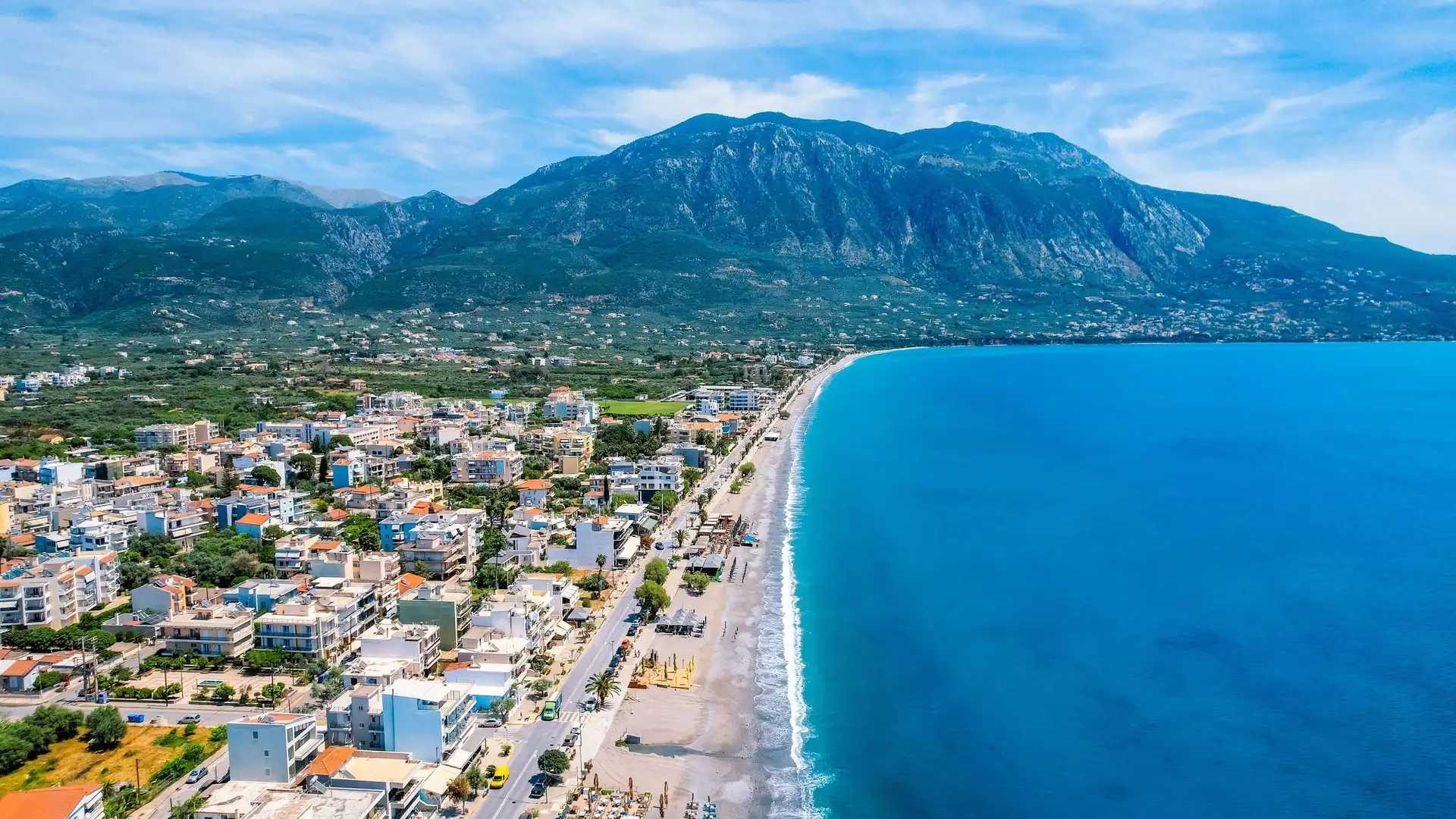
Location, particularly proximity to the coast, represents the single most significant factor influencing Crete housing market prices, with beachfront properties commanding substantial premiums over inland alternatives. Proximity to tourist areas, infrastructure quality, and seasonal accessibility creates dramatic price variations across the island’s diverse regions.
Coastal properties benefit from permanent rental demand and holiday home appeal, driving prices considerably higher than for similar properties located just a few kilometres inland. Areas with established tourist infrastructure, including reliable utilities, road access, and proximity to airports, maintain stronger property values throughout market cycles.
Property type and condition significantly impact pricing structures. Traditional stone houses requiring renovation often present lower entry costs but demand substantial additional investment. Modern villas with pools and contemporary amenities command premium pricing, particularly in sought-after locations with sea views or mountain vistas.
Seasonal market dynamics create additional price fluctuations. Spring and summer months typically see increased buyer activity from international purchasers, potentially influencing negotiation positions. Local planning restrictions and development potential also affect long-term property values across different municipalities.
How much do typical houses cost in different areas of Crete?
Property prices across Crete’s four main regions reflect distinct characteristics and market demands. Chania and Heraklion typically command higher prices due to airport proximity and tourism infrastructure, while Rethymno and Lasithi offer more varied pricing structures depending on specific locations.
Coastal properties in popular areas such as Chania’s Akrotiri Peninsula or Heraklion’s northern suburbs represent the premium end of the market. These locations benefit from established expat communities, reliable infrastructure, and strong rental potential for property investment Crete strategies. Browse our properties list to explore available options across these desirable regions.
Inland villages throughout all regions offer significantly lower entry prices, particularly for traditional properties requiring renovation. These areas appeal to buyers seeking authentic Greek village life while maintaining reasonable access to coastal amenities and airports.
City apartments in the centres of Chania, Heraklion, and Rethymno provide different value propositions, offering year-round rental potential and urban amenities. Mountain villages in areas like the Apokoronas region or Sfakia provide unique opportunities for buyers seeking privacy and traditional architecture.
What hidden costs should you expect when buying a house in Crete?
Additional expenses beyond the purchase price typically add 8–14% to total acquisition costs, including legal fees, notary charges, and various taxes. Transfer tax represents the largest single additional cost at 3.09% of the property’s declared value or objective value, whichever is higher.
Legal fees for comprehensive due diligence, contract preparation, and transaction management form essential components of secure property purchases. Notary fees, translation costs for official documents, and property registration expenses add further to the total investment required.
Survey costs, utility connection fees, and immediate maintenance requirements often surprise international buyers. Properties requiring renovation work demand careful budget planning for building permits, contractor fees, and compliance with local building regulations.
Ongoing costs include annual ENFIA property tax, calculated on objective values with rates ranging from 2–13 per square metre depending on location and property characteristics. Municipal taxes, insurance, and maintenance expenses require consideration for long-term ownership planning.
How do Crete house prices compare to other Greek islands?
Greek property costs vary dramatically between islands, with Crete generally offering better value than premium destinations like Santorini or Mykonos while maintaining superior infrastructure and year-round accessibility. This positioning makes Crete attractive for both holiday home buyers and serious property investors.
Santorini and Mykonos command significantly higher prices due to international tourism prestige and limited available land. However, these islands often lack the practical amenities and year-round livability that Crete provides through its major cities and comprehensive infrastructure.
Corfu and Rhodes present more direct comparisons to Crete, with similar tourism infrastructure and international accessibility. Crete’s larger size creates more diverse pricing options, from affordable inland properties to luxury coastal developments matching or exceeding prices on smaller islands.
Crete’s advantage lies in its combination of tourism appeal, permanent resident communities, and economic diversity beyond tourism. This creates more stable property markets compared to islands dependent solely on seasonal tourism, providing better long-term investment security.
What’s the best time to buy a house in Crete for the best price?
Autumn and winter months typically present optimal buying conditions, with reduced competition from international buyers and potentially more motivated sellers. Market activity slows during these periods, creating opportunities for patient buyers to negotiate favourable terms.
Seasonal patterns show increased activity from March through September, when Northern European buyers visit Crete for property-viewing trips. This increased demand can strengthen sellers’ positions, though it also brings more inventory to market as owners decide to sell.
Economic cycles and broader market conditions influence timing considerations beyond seasonal patterns. Monitoring exchange rates becomes crucial for international buyers, as currency fluctuations can significantly impact effective purchase prices.
Properties requiring renovation work often present better value during winter months when construction activity slows and contractors may offer more competitive pricing. However, buyers should consider that renovation projects typically progress more efficiently during warmer months.
How can foreign buyers navigate Crete’s property market safely?
Professional legal representation throughout the entire purchase process provides essential protection against common pitfalls in Greek property transactions. Comprehensive due diligence, including title verification and planning permission checks, prevents costly mistakes that can affect property ownership or future development rights.
Engaging qualified professionals familiar with international buyer requirements ensures proper handling of tax obligations, documentation translation, and regulatory compliance. The transfer tax of 3.09% must be paid before completing the purchase, and proper documentation prevents future legal complications.
Understanding objective value assessments helps buyers prepare for minimum tax calculations, as Greek authorities use government-determined property values as the basis for various taxes regardless of actual purchase prices. Recent objective value increases averaging 20% nationally have affected tax calculations significantly.
International buyers should obtain Greek tax numbers (AFM) early in the process and understand ongoing obligations, including annual ENFIA property tax. Proper planning for currency exchange, banking relationships, and legal representation creates the foundation for successful property acquisition in Crete.
Navigating buying house Crete successfully requires understanding local market conditions, legal requirements, and hidden costs that can significantly impact your investment. Professional guidance ensures you avoid common pitfalls while securing the best possible value for your Greek property purchase. For expert assistance with your Crete property acquisition, property purchase assistance is available from our experienced team, who specialise in supporting international buyers throughout the entire process.
Disclaimer: This content is for informational purposes only and does NOT constitute legal or tax advice. For any issues relating to specific cases, it is highly recommended to consult a lawyer, an accountant, or a notary, depending on your needs.