Modern Greek is the official language spoken in Crete, used in all government, education, and business activities including property transactions. While the Cretan dialect adds local flavour, standard Greek dominates formal communications. English is widely spoken in tourist areas, and other European languages are common due to international communities. This guide covers the language landscape across Crete for visitors and potential property buyers.
What is the official language spoken in Crete?
Modern Greek serves as the official language of Crete and is used throughout all aspects of daily life, government operations, educational institutions, and business transactions. Every legal document, property contract, and official communication must be conducted in Greek to be legally valid.
In government offices, courts, and municipal buildings across Crete, Greek is the exclusive language for official proceedings. Educational institutions from primary schools to universities conduct classes in Greek, though some international programmes may offer instruction in other languages. Banking, healthcare, and professional services operate primarily in Greek, particularly for formal documentation and legal requirements.
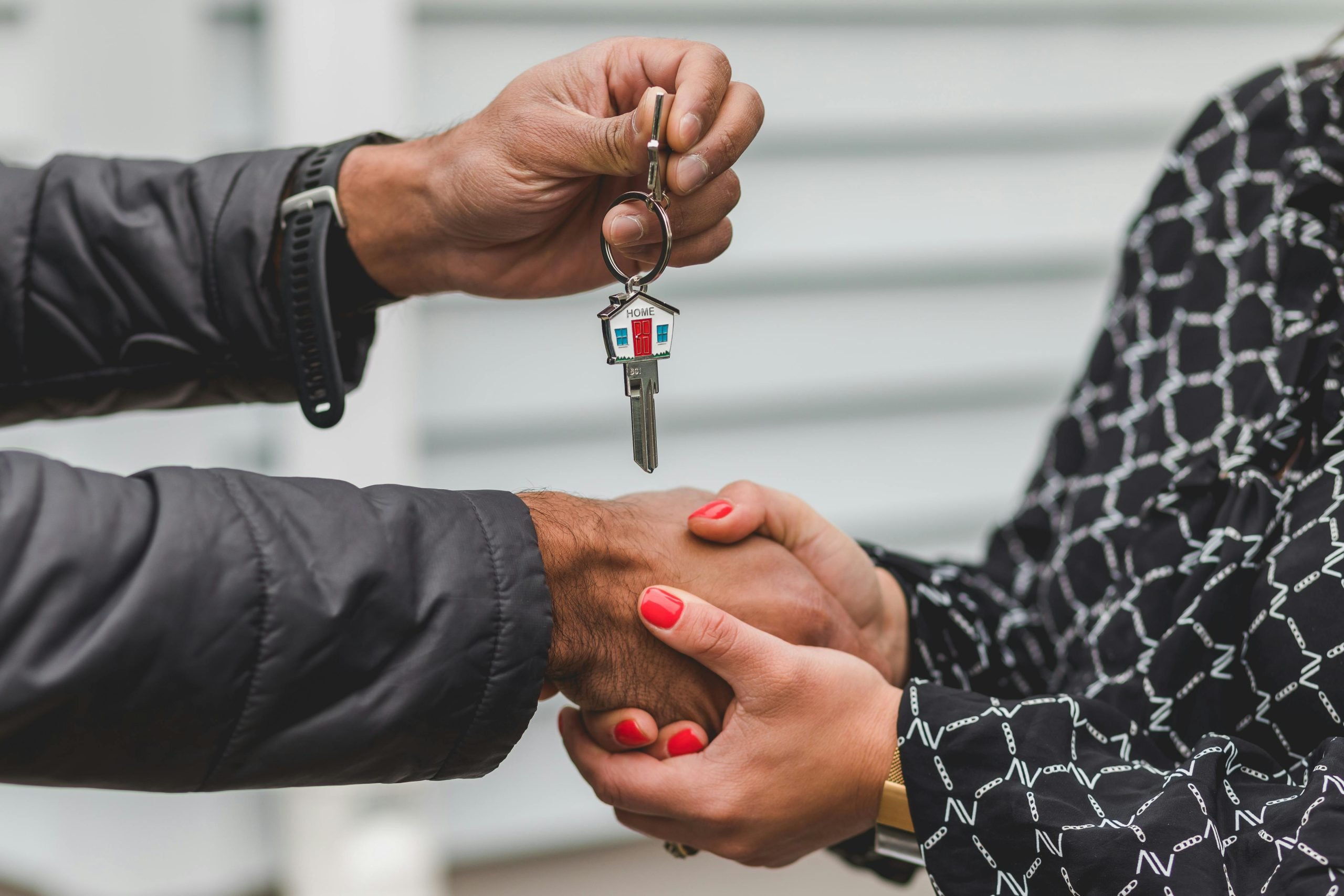
For property purchases, all contracts, deeds, and legal documents must be prepared in Greek according to national law. This requirement ensures legal compliance and protects both buyers and sellers in real estate transactions. Professional translation services become essential for international buyers navigating property purchase procedures in Greece, ensuring complete understanding of legal obligations and rights.
Are there any unique dialects or language variations in Crete?
The Cretan dialect represents a distinctive variation of Modern Greek with unique vocabulary, pronunciation patterns, and grammatical structures that reflect the island’s rich cultural heritage. While standard Greek remains dominant in formal settings, the Cretan dialect thrives in everyday conversations among locals.
Distinctive features include different verb conjugations, alternative vocabulary for common items, and pronunciation variations that distinguish Cretan Greek from mainland dialects. Many words derive from ancient Greek, Venetian, and Turkish influences, creating a linguistic tapestry that tells the story of Crete’s diverse historical connections.
The dialect varies between regions of Crete, with subtle differences between eastern and western areas. Rural communities often preserve more traditional dialectal features, while urban centres like Heraklion and Chania show greater influence from standard Greek. Younger generations typically speak standard Greek fluently while maintaining dialectal knowledge for cultural connection.
How widely is English spoken in Crete’s tourist areas?
English proficiency is excellent throughout Crete’s major tourist destinations, with most hotel staff, restaurant workers, and service providers speaking conversational to fluent English. Popular areas like Chania, Heraklion, Rethymno, and coastal resort towns cater extensively to international visitors.
Hotels ranging from boutique properties to large resorts typically employ multilingual staff, with English being the primary foreign language. Restaurant menus often feature English translations, and servers can usually communicate effectively about dishes, dietary requirements, and recommendations. Tourist information centres, car rental agencies, and tour operators routinely provide services in English.
However, English proficiency decreases in rural areas and smaller villages where tourism is less prevalent. Mountain communities and traditional settlements may have limited English speakers, though locals often show patience and creativity in communication. Medical facilities in tourist areas generally have English-speaking staff, while rural clinics may require translation assistance.
What other foreign languages might you encounter in Crete?
German, Dutch, French, and Italian are commonly spoken throughout Crete due to substantial expatriate communities and consistent tourism from these countries. Many service providers learn these languages to accommodate their regular international clientele.
German enjoys particular prominence given the large German tourist population and resident community. Many restaurants, shops, and service businesses employ German-speaking staff, particularly in areas like Plakias, Paleochora, and parts of Chania region where German visitors concentrate.
Dutch speakers are increasingly common, especially in real estate and legal services, reflecting growing Dutch investment in Cretan properties. French and Italian are frequently heard in hospitality settings, with staff often possessing basic conversational abilities in these languages. Russian is also present in certain tourist areas, though less widespread than other European languages.
Do you need to speak Greek to buy property in Crete?
Speaking Greek is not mandatory for property purchases in Crete, but professional translation and legal representation are essential for navigating the complex documentation and legal requirements involved in real estate transactions.
All property contracts, title deeds, and legal documents must be prepared in Greek according to national law. International buyers require certified translations of these documents to understand their rights, obligations, and the complete terms of purchase. Power of attorney documents, if used, must also be prepared in Greek with proper legal terminology.
Working with experienced legal professionals who provide multilingual services eliminates language barriers while ensuring legal compliance. These specialists handle communication with notaries, tax offices, and municipal authorities, managing the entire process in Greek while keeping international clients informed in their preferred language. This approach provides security and transparency throughout the property acquisition process.
What are some essential Greek phrases for visitors to Crete?
Basic courtesy phrases and practical expressions significantly enhance interactions with locals and demonstrate respect for Cretan culture. Learning simple greetings, polite expressions, and essential questions helps create positive connections during your visit.
Essential greetings include “Yia sas” (hello/goodbye – formal), “Kalimera” (good morning), “Kalispera” (good evening), and “Kalinichta” (good night). Polite expressions like “Parakalo” (please/you’re welcome), “Efcharisto” (thank you), and “Signomi” (excuse me/sorry) prove invaluable in daily interactions.
Practical phrases for tourists include “Milate Anglika?” (Do you speak English?), “Poso kani?” (How much does it cost?), “Pou ine?” (Where is?), and “Den katalaveno” (I don’t understand). For dining, “To logariasmo, parakalo” (The bill, please) and “Nosimo!” (Delicious!) show appreciation for local hospitality and cuisine.
Understanding Crete’s language landscape helps visitors and potential property buyers navigate the island more confidently. While Greek remains essential for legal matters, the international character of modern Crete ensures communication support across multiple languages. For those considering property investment, professional guidance bridges any language gaps while ensuring complete legal security. To discuss your specific language needs for property transactions in Crete, contact our multilingual team for personalised assistance.
Disclaimer: This content is for informational purposes only and does NOT constitute legal or tax advice. For any issues relating to specific cases, it is highly recommended to consult a lawyer, an accountant or a notary depending on your needs.