Selling your Greek property from abroad can feel overwhelming, especially when potential buyers cannot easily visit in person. With international travel restrictions and busy schedules, traditional property viewings have become increasingly challenging for foreign buyers interested in Greek real estate. This is where virtual tour technology becomes a game-changer for property owners looking to attract serious international buyers.
Virtual tours bridge the gap between distant buyers and stunning Greek properties, allowing potential purchasers to explore every corner of your home from anywhere in the world. For experienced foreign homeowners ready to sell their holiday properties, implementing strategic virtual tour approaches can significantly reduce time on market whilst attracting qualified buyers who are genuinely interested in your property.
Why virtual tours are revolutionising Greek property sales
The Greek real estate market has undergone a dramatic transformation with the integration of virtual tour technology. International buyers, who represent a significant portion of the Greek property market, can now explore properties thoroughly without the expense and time commitment of physical visits.
This technological shift has proven particularly valuable for coastal properties in popular destinations like Crete, Corfu, and Lefkada, where the majority of buyers come from Germany, the Netherlands, and other Northern European countries. Virtual tours allow these buyers to experience the Mediterranean lifestyle and visualise themselves in the space before making travel arrangements for final inspections.
The engagement levels with virtual tours consistently exceed traditional photo galleries, with buyers spending significantly more time exploring properties online. This increased engagement translates to more qualified enquiries and faster decision-making processes, ultimately benefiting sellers who want to move quickly through the sales process.
1: Create immersive 360-degree property walkthroughs
High-quality 360-degree virtual tours serve as the foundation of effective virtual property marketing. These comprehensive walkthroughs allow potential buyers to navigate through your property naturally, creating an experience that closely mimics an in-person viewing.
Professional 360-degree cameras capture every angle of each room, providing viewers with complete control over their exploration. The technology works particularly well for Greek properties with open-plan living areas and seamless indoor-outdoor transitions that are characteristic of Mediterranean architecture.
When selecting platforms for hosting your virtual tours, consider options that offer smooth navigation, quick loading times, and compatibility across devices. The tour should integrate seamlessly with your property listing and be easily shareable across international marketing channels. Quality equipment and professional photography techniques ensure that your property’s best features shine through, from traditional stone walls to modern kitchen installations.
2: Highlight Greece’s stunning outdoor spaces virtually
Greek properties often feature spectacular outdoor areas that serve as major selling points, from private terraces overlooking the Aegean Sea to landscaped gardens with traditional olive trees. Virtual tours must capture these spaces with the same attention to detail as interior rooms.
Optimal lighting conditions are crucial for outdoor virtual photography. The golden hour shortly after sunrise or before sunset provides the most flattering light for terraces, pools, and garden areas. Consider seasonal variations when planning your virtual tour, as spring and early summer showcase outdoor spaces at their most appealing.
Interactive elements within outdoor virtual spaces can highlight specific features such as outdoor kitchens, swimming pools, or panoramic views. These hotspots provide additional information about maintenance, recent upgrades, or unique characteristics that set your property apart from others in the area.
3: Use drone footage for breathtaking aerial perspectives
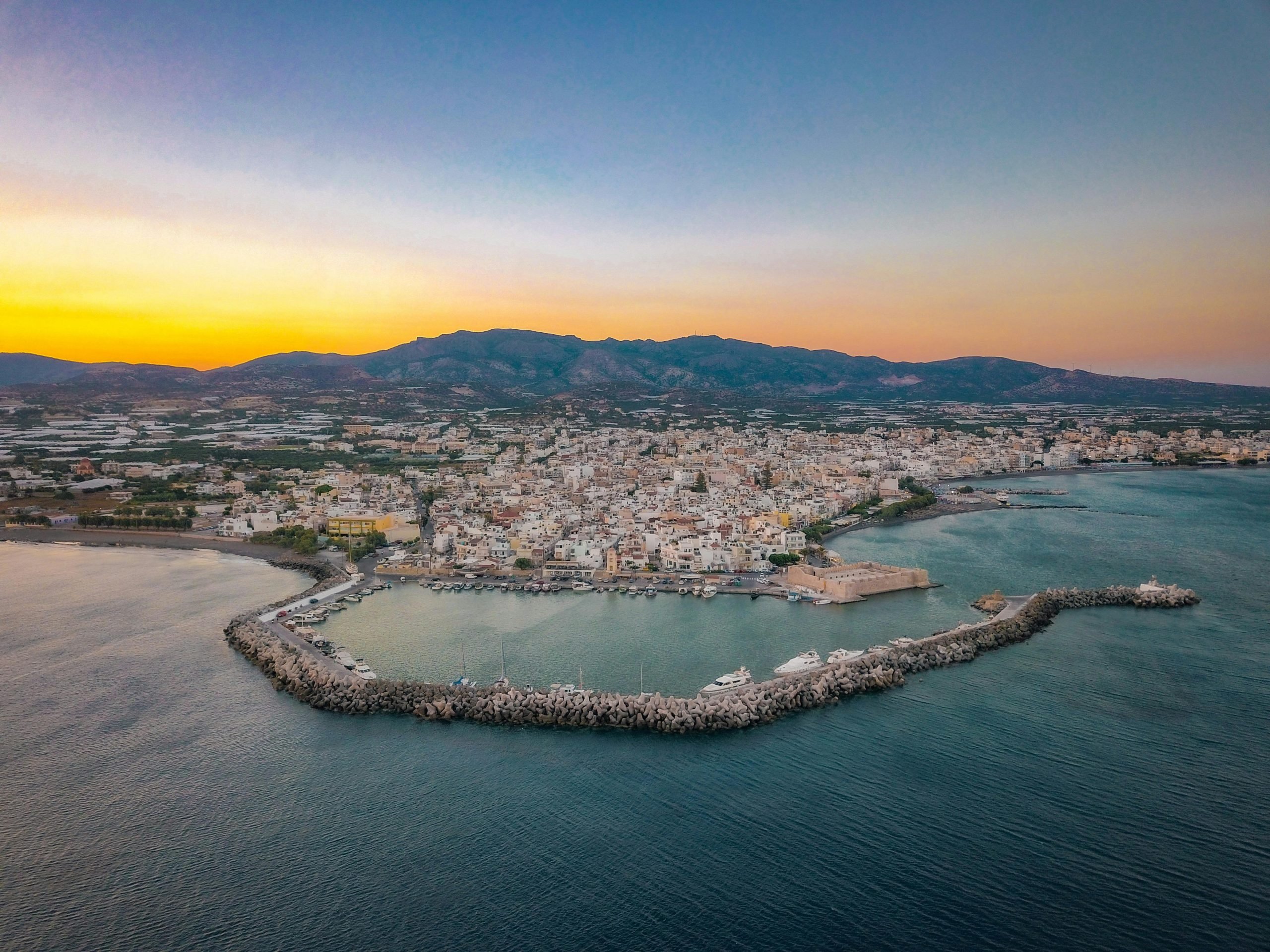
Aerial footage provides context that ground-level photography simply cannot match. For Greek properties, drone technology captures the relationship between your home and its surroundings, whether that’s proximity to beaches, mountain views, or charming village centres.
Greek regulations regarding drone usage require proper permits and adherence to specific guidelines, particularly near airports or archaeological sites. Professional drone operators understand these requirements and can capture stunning footage whilst ensuring full compliance with local laws.
The most effective aerial virtual tours combine smooth flight paths with strategic stopping points that highlight key features. This might include circling the property to show all facades, pulling back to reveal neighbourhood context, or following the coastline to demonstrate beach access. Integration with ground-level virtual tours creates a comprehensive viewing experience that helps international buyers understand exactly what they’re considering.
4: What makes a virtual tour truly engaging for buyers?
Engagement goes far beyond simply allowing viewers to look around rooms. Truly compelling virtual tours incorporate interactive elements that provide valuable information whilst maintaining viewer interest throughout the entire experience.
Interactive hotspots can highlight recent renovations, explain unique architectural features, or provide practical information about utilities and maintenance. Floor plans integrated within the virtual tour help viewers understand the property layout and flow between spaces, which is particularly important for international buyers unfamiliar with Greek architectural styles.
Navigation features should be intuitive, allowing viewers to move seamlessly between rooms and outdoor spaces. Consider adding guided tour options that automatically move through the property whilst highlighting key features, perfect for busy international buyers who want a comprehensive overview without manual navigation.
5: Integrate virtual staging for unfurnished properties
Empty properties can appear smaller and less appealing in virtual tours, making it difficult for international buyers to visualise the space’s potential. Virtual staging technology addresses this challenge by digitally furnishing rooms with appropriate décor that appeals to international tastes.
When selecting virtual staging elements, consider the preferences of your target market. Northern European buyers often appreciate clean, minimalist designs with natural materials that complement the Mediterranean setting. Virtual staging should enhance the property’s character rather than overwhelm it with excessive decoration.
Cost considerations for virtual staging compare favourably to traditional staging, particularly for international sellers who cannot easily coordinate physical furniture rental and placement. The technology allows for multiple design options, enabling you to test different approaches to see which resonates most with potential buyers.
6: Optimise tours for international buyer accessibility
International buyers have diverse needs regarding language, cultural expectations, and technical capabilities. Virtual tours must be accessible across different markets whilst maintaining broad appeal.
Multilingual navigation options ensure that German, Dutch, and other European buyers can fully utilise all tour features. Consider cultural preferences when designing the user interface – some markets prefer detailed technical information, whilst others focus more on lifestyle and aesthetic elements.
Mobile optimisation is essential, as many international buyers will first encounter your virtual tour on smartphones or tablets. The tour should load quickly and function smoothly across various devices and internet connection speeds. Integration with international marketing platforms ensures maximum visibility amongst your target audience when selling my home in Greece.
7: Measure and improve virtual tour performance
Analytics provide valuable insights into how potential buyers interact with your virtual tour, revealing which areas generate the most interest and where viewers typically exit the experience.
Key metrics include total viewing time, room-by-room engagement, and the percentage of viewers who complete the entire tour. Heat maps show which areas attract the most attention, helping you understand what features resonate most with international buyers.
A/B testing different tour formats or presentation styles can reveal preferences specific to your target market. Some buyers prefer guided tours with narration, whilst others want complete control over their exploration. Data-driven refinements to your virtual marketing strategy can significantly improve conversion rates from virtual tour views to serious enquiries.
Transform your Greek property marketing with virtual innovation
Implementing these virtual tour strategies creates a powerful marketing tool that transcends geographical boundaries and time zone limitations. For experienced foreign homeowners ready to sell their Greek properties, virtual tours represent an essential bridge between international buyers and Mediterranean dreams.
The combination of immersive 360-degree walkthroughs, stunning aerial footage, and strategic virtual staging creates an experience that rivals in-person viewings whilst providing the convenience that international buyers demand. When integrated with proper analytics and optimisation, virtual tours become a cornerstone of successful international property marketing.
Professional implementation of these strategies requires expertise in both technology and international real estate marketing. For guidance on maximising your property’s appeal to international buyers, our comprehensive guide to selling your home provides additional insights into the complete sales process. Ready to revolutionise your property marketing approach? Contact our team to discuss how virtual tour technology can accelerate your Greek property sale.
Disclaimer: This content is for informational purposes only and does NOT constitute legal or tax advice. For any issues relating to specific cases, it is highly recommended to consult a lawyer, an accountant or a notary depending on your needs.