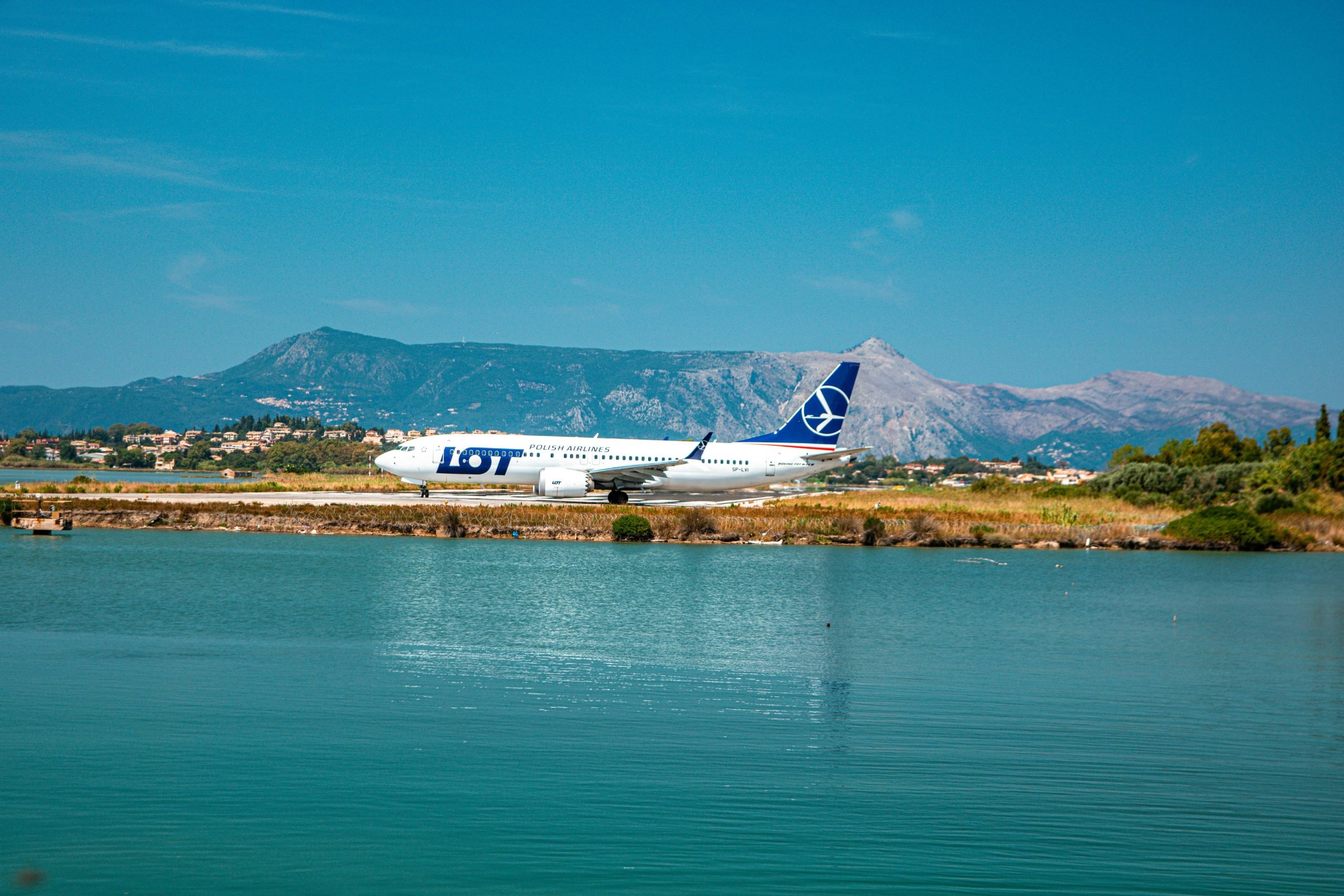
Selling your Greek holiday home can feel overwhelming, especially when you’re managing the process from another country. The Greek property market has its own unique requirements, legal procedures, and potential pitfalls that can derail even the most straightforward transaction. Whether you’ve owned your coastal retreat for a decade or inherited a family property, asking the right questions before listing can mean the difference between a smooth, profitable sale and months of bureaucratic headaches.
Foreign property owners often underestimate the complexity of selling my home in Greece and rush into listings without proper preparation. This approach frequently leads to delays, unexpected costs, and frustrated buyers who walk away from incomplete transactions. By addressing these critical questions upfront, you’ll position yourself for a faster, more successful sale whilst avoiding the common mistakes that plague unprepared sellers.
1. Do I have all required legal documents?
The foundation of any Greek property sale rests on having complete and verified legal documentation. Your title deed (contract of sale) must be properly registered and reflect current ownership details. Building permits are equally crucial, particularly for properties constructed or renovated after 1955, as buyers and their lawyers will scrutinise these during due diligence.
Energy performance certificates have become mandatory for all property sales in Greece, and obtaining one can take several weeks. Tax clearance certificates prove that all property-related taxes are current, whilst municipal certificates confirm no outstanding fees or violations exist. Missing any of these documents will halt your sale immediately.
Document verification through Greek authorities can reveal surprises, such as boundary discrepancies or permit irregularities that previous owners never addressed. Starting this process early allows time to resolve issues before potential buyers discover them, maintaining your negotiating position and sale timeline.
2. What is my property’s current market value?
Accurate property valuation in Greece requires understanding both local market conditions and international buyer preferences. Coastal properties in popular areas like Crete, Corfu, and the Cyclades have different pricing dynamics than mainland locations, with factors such as sea views, accessibility, and proximity to amenities significantly affecting value.
Professional appraisals provide more reliable valuations than online estimates, particularly for unique properties or those in less active markets. Local market knowledge becomes crucial when comparing properties, as seemingly similar homes can have vastly different values based on specific location advantages or restrictions.
Currency fluctuations also impact how international buyers perceive your asking price. What seems reasonable in euros might appear expensive to German or Dutch buyers if their home currency has weakened. Consider these dynamics when setting your initial asking price and preparing for negotiations.
3. Are there any outstanding property taxes or fees?
Greek property ownership involves multiple ongoing financial obligations that must be cleared before sale completion. The annual ENFIA tax, municipal fees, and any special assessments create liens against your property if left unpaid. These obligations transfer with ownership, making buyers and their lawyers extremely cautious about taking on inherited debts.
Transfer taxes and notary fees represent additional costs that vary based on property value and buyer circumstances. Some buyers, particularly those seeking Golden Visa status, have specific requirements that can affect these calculations. Understanding these costs upfront prevents surprises during contract negotiations.
Unpaid obligations can completely block property transfers, regardless of buyer readiness or contract terms. Clearing all outstanding amounts before listing demonstrates professionalism and prevents last-minute complications that could derail your sale.
4. Should I handle the sale myself or use professionals?
The complexity of Greek property law and bureaucracy makes professional representation particularly valuable for foreign sellers. Whilst handling your own sale might seem cost-effective, the language barriers, legal requirements, and administrative procedures often overwhelm sellers who lack local expertise and connections.
Professional real estate agents and legal services provide crucial value through their understanding of buyer psychology, market positioning, and negotiation strategies. They also maintain relationships with other professionals—lawyers, notaries, tax advisors—that streamline the entire process. For our guide to selling your home, we emphasise how integrated professional services eliminate the coordination headaches that plague DIY sellers.
Consider your own availability and stress tolerance when making this decision. Managing a Greek property sale from Germany or the Netherlands requires significant time investment during Greek business hours, plus the ability to respond quickly to buyer inquiries and document requests.
5. How will I market to international buyers?
Effective marketing to international buyers requires more than translating your property description into multiple languages. Different nationalities have varying preferences for property features, financing arrangements, and communication styles. German buyers might prioritise technical specifications and energy efficiency, whilst British buyers focus more on lifestyle and entertainment spaces.
Professional photography and virtual tours become essential when your target buyers cannot easily visit in person. High-quality visual content must showcase not just your property, but the surrounding area and lifestyle opportunities that attracted you initially. Marketing materials should highlight features that appeal specifically to holiday home buyers rather than permanent residents.
International marketing networks and buyer databases provide access to qualified prospects who are actively seeking Greek properties. Local-only promotion limits your reach significantly, particularly for properties in the mid to upper price ranges where international buyers dominate the market.
6. What repairs or improvements should I make?
Strategic improvements can significantly impact your sale price and timeline, but not all renovations provide positive returns. Focus on essential repairs that affect property functionality—plumbing, electrical systems, and structural issues—as these create immediate concerns for buyers and their surveyors.
Cosmetic improvements like fresh paint, garden maintenance, and deep cleaning provide excellent returns on investment by helping buyers envision themselves enjoying the space. However, major renovations or personalised upgrades often fail to recover their costs and may actually narrow your buyer pool if they reflect very specific tastes.
Consider your target buyer’s expectations when planning improvements. Holiday home buyers typically want move-in ready properties where they can immediately start enjoying their Greek retreat rather than managing construction projects from abroad.
7. Can I complete the sale without travelling to Greece?
Power of attorney arrangements allow foreign sellers to complete property transactions without travelling to Greece, but these require careful legal preparation. Greek law permits both general and specific powers of attorney for property sales, with specific arrangements providing more control over the transaction process.
Your chosen representative must be authorised to sign contracts, attend notary appointments, and handle all administrative requirements on your behalf. This person becomes your legal proxy throughout the entire process, making their reliability and competence crucial to your success.
Proper power of attorney documentation requires notarisation in your home country, often with additional authentication requirements. Starting this process early ensures your representative can act effectively when buyers and opportunities arise, preventing delays that might cost you sales.
8. How long will the selling process take?
Greek property sales typically require three to six months from listing to completion, though this timeline varies significantly based on preparation, pricing, and market conditions. Properties with complete documentation and realistic pricing sell faster than those requiring legal work or significant price adjustments.
Seasonal factors affect buyer activity, with spring and early summer showing increased international interest as potential buyers visit Greece and envision their holiday lifestyle. Winter months often see reduced activity, though serious buyers remain active throughout the year.
Buyer financing requirements can extend timelines considerably, particularly for international purchasers navigating Greek mortgage procedures or Golden Visa applications. Cash buyers typically complete transactions more quickly, making them attractive even when their offers are slightly lower than financed alternatives.
9. What are the total costs of selling?
Selling costs in Greece include multiple components that vary based on property value, professional services, and specific circumstances. Agent commissions, legal fees, and transfer taxes represent the largest expenses, but smaller administrative costs can accumulate quickly.
Hidden costs often surprise foreign sellers, including document translation fees, courier services for international document transfers. Currency exchange costs also impact your net proceeds, particularly for large transactions where small percentage differences create significant monetary effects.
Professional fee structures vary considerably between service providers, with some offering comprehensive packages whilst others charge separately for each service component. Understanding total cost implications helps you set realistic net price expectations and negotiate more effectively with buyers.
10. Do I need a Greek tax number and declarations?
Foreign property owners must maintain Greek tax registration (AFM number) and file annual declarations until property sale completion. These obligations continue regardless of whether you owe taxes, and failure to comply can create complications during the sale process.
Tax declaration requirements vary based on your total Greek income, including rental income from your property. Professional tax advice becomes valuable for understanding your specific obligations and ensuring compliance throughout the ownership and sale process.
Buyers and their lawyers will verify your tax compliance as part of their due diligence, making current declarations essential for maintaining buyer confidence and avoiding transaction delays.
11. How will currency exchange affect my proceeds?
Currency fluctuations can significantly impact your sale proceeds when converting euros back to your home currency. Exchange rate movements of just a few percentage points can mean thousands of euros difference in your final proceeds, making timing considerations important for maximising returns.
Forward contracts and currency hedging options provide protection against adverse exchange rate movements, though these financial instruments require careful consideration of their costs and restrictions. Some sellers time their sales to coincide with favourable exchange rates, though this strategy must be balanced against market conditions and buyer availability.
Consider how currency movements affect buyer behaviour as well. Favourable exchange rates can increase international buyer activity, whilst unfavourable rates might reduce demand from specific nationality groups who represent your primary market.
12. What happens if buyers need financing?
Greek mortgage procedures for international buyers involve additional complexity and timeline considerations that affect your sale process. Banks require extensive documentation and often impose stricter lending criteria for non-residents, potentially extending transaction timelines by several months.
Golden Visa investment requirements create specific financing scenarios where buyers must demonstrate legitimate fund sources and maintain minimum investment levels. These transactions often involve additional legal procedures and government approvals that impact completion schedules.
Seller responsibilities during financed transactions include maintaining property condition, providing additional documentation as requested, and accommodating bank valuation requirements. Understanding these obligations helps you prepare for the extended timeline and additional coordination requirements.
13. Are there any property usage restrictions?
Greek properties, particularly in coastal and archaeological areas, may have usage restrictions that affect marketability and buyer plans. Zoning limitations can restrict renovation options, whilst archaeological designations might limit or prohibit certain improvements that buyers consider essential.
Environmental protections in sensitive areas create additional restrictions that buyers must understand before purchase. These limitations can significantly affect property values and buyer interest, making full disclosure essential for maintaining transaction integrity.
Disclosure requirements mandate that sellers inform buyers of known restrictions, violations, or pending legal issues. Failing to disclose material information can create legal liability and jeopardise your sale completion.
14. How do I verify serious buyers from inquiries?
Qualifying genuine buyers from casual inquiries saves time and prevents frustration during your selling process. Serious buyers typically ask specific questions about documentation, costs, and timelines rather than focusing solely on price negotiations or general property features.
Financial pre-approval or proof of funds demonstrates buyer capability and commitment. International buyers should be able to provide evidence of their ability to complete the transaction, whether through cash resources or pre-approved financing arrangements.
Professional representation often indicates serious buyer intent, as qualified buyers typically engage lawyers and agents to guide their Greek property purchases. Buyers working without professional support may lack understanding of the process complexity or commitment to completion.
15. What support will I need after accepting an offer?
Post-offer requirements include contract negotiations, due diligence coordination, and ongoing communication until final property transfer. These activities require prompt responses and decision-making, often during Greek business hours that may conflict with your schedule.
Due diligence periods allow buyers to verify property condition, legal status, and compliance with their requirements. Your support during this phase includes providing additional documentation, facilitating inspections, and addressing any issues that arise during buyer investigations.
Notary appointments and final transfer procedures require coordination between multiple parties, including buyers, lawyers, and financial institutions. Having reliable representation becomes crucial for managing these final steps whilst you remain in your home country.
Your path to a successful Greek property sale
Successfully selling my home in Greece requires thorough preparation, realistic expectations, and professional support throughout the process. The questions outlined above form a comprehensive checklist that addresses the most common challenges and opportunities facing foreign property sellers in the Greek market.
Taking time to address these considerations before listing your property positions you for a smoother, more profitable transaction. The Greek property market rewards prepared sellers who understand the process requirements and position their properties effectively for international buyers.
Professional guidance becomes particularly valuable when coordinating the multiple legal, financial, and marketing aspects of your sale. If you’re ready to begin this process or need assistance addressing any of these critical questions, we encourage you to contact our experienced team who specialise in supporting foreign property owners throughout their Greek selling journey.
Disclaimer: This content is for informational purposes only and does NOT constitute legal or tax advice. For any issues relating to specific cases, it is highly recommended to consult a lawyer, an accountant or a notary depending on your needs.