20.10.2026
The Most Famous Homes in Greece
There are some houses in Greece that gain fame because of the people who lived in them, such as writers and musicians, or even... a king!
History & Culture
20.09.2023
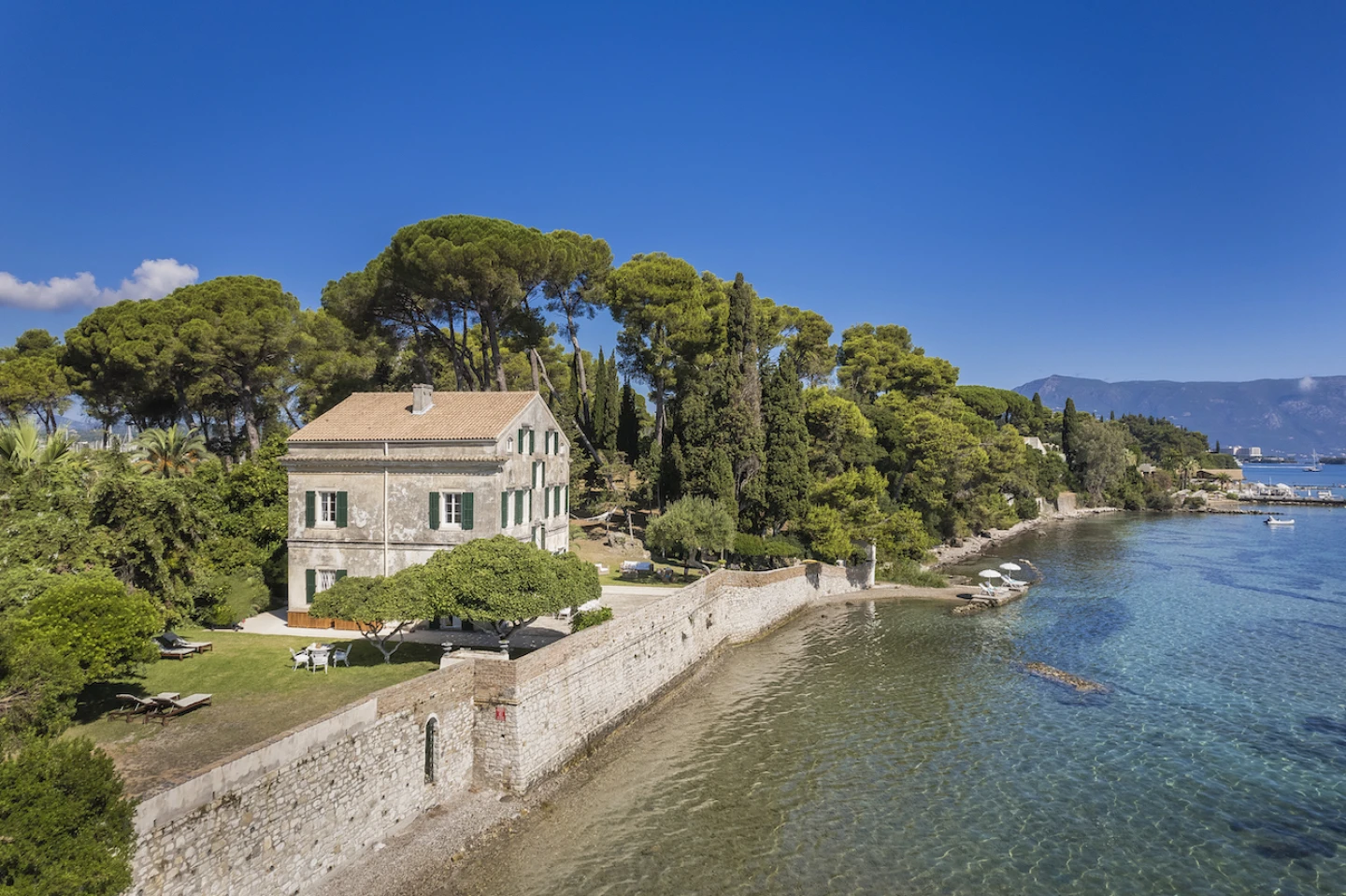
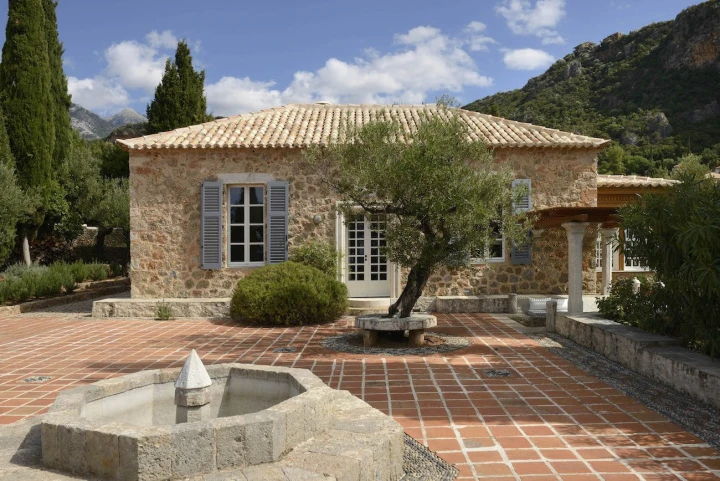
Villa Posillipo is one of the most remarkable villas in Greece because of its history and unique location. The house is on the east side of the island of Corfu and was built before 1760 next to the Venetian Harbor and Arsenal. The villa looks over the Bay of Corfu, where in the past it could watch Corfu’s Channel in case attackers were coming towards the port. In 1880, after the Ionian Islands united with Greece, a Greek nobleman bought the property and it has stayed in the family for 5 generations as a country house.
Villa Posillipo is found on a large plot with plenty of green space and seafront woodlands. It has undergone a conservation project that revived its genuine old-world character. The villa features antiques and contemporary furniture. Today the owners are proud to share Posillipo with all the guests, who enjoy the historical seafront location.
In the area immediately surrounding Villa Posillipo, you can walk to several bars and shops in under 10 minutes. Also very near is the UNESCO World Heritage Site of Corfu Town, with its unique historic sights, churches, and nightlife. For beaches, locals like to visit Kontokali, Gouvia, Spiaggia Bianca, Dassia and Ipsos. If you drive up the coast, you can visit the small villages of Kalami and Aghios Stefanos, as well as the beaches of Avlaki and Kassiopi.
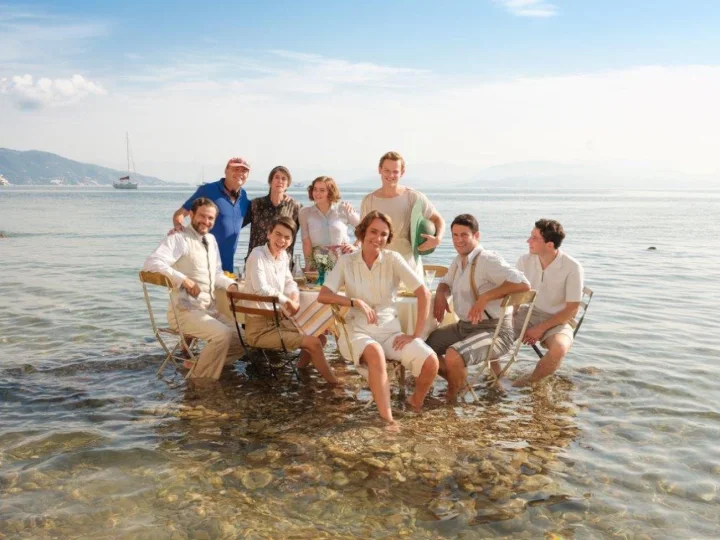
Villa Posillipo was used as the location of the filming of the BBC movie My Family and Other Animals, which follows the life of the Durrells family and their adventures in Corfu. It was also the filming location of four years of the famous British TV series The Durrells, a comedy that made the Durrells' story well-known worldwide. The Producer and Artistic Director visited the venue and chose the location for its authenticity and representation of the old landscape of Corfu. The TV series is known for highlighting the individuality and eccentric nature of the family, who were always engaged in their own adventures, writing, and travel (not to mention their exotic animals). The most iconic photos from the series are of the Durrells family sitting submerged in the sea, eating lunch just above water. A warm thank you to the Durrells series producer, Christopher Hall, as well as the photographers, for offering these behind-the-scenes photos for use in the article.
The Durrell family is made up of Louisa Durrell, the mother, and the four kids – Lawrence, Leslie, Margo, and Gerald. They were all born in India and moved to Bournemouth, England, as a family when their father died.
Lawrence, a novelist and screenwriter known for his book The Alexandria Quartet, was the first to move to Corfu, and the rest of the family soon followed suit. He wrote 18 novels and 6 travel books based on his travel experiences, as well as humor books, poetry, essays, and screenplays. He was once nominated for a Nobel Prize. When Lawrence Durrell moved to Corfu, he was newly married and sought to find somewhere remote. He moved to the north of the island of Corfu with his wife Nancy and wrote his newest novel, The Black Book(1938).
On Corfu, when he arrived at 10 years old, Gerald was known for keeping local animals as pets, and he ran wild on the island. The young boy also made friends with Theodore Stephanides, a poet, doctor, and philosopher who became his mentor. Gerald says that his love of wildlife comes from his time with Theodore, when they collected animals. He eventually worked for zoos and even started his own zoo called the Durrell Wildlife Park because he did not like how animals were treated elsewhere. Gerald Durrell is known as an author and wrote the bestselling Corfu Trilogy. Among the titles are: My Family and Other Animals, followed by Birds, Beasts and Relatives and The Garden of the Gods.
Margaret was the middle child and also developed a love for the island. While living there, she fell in love with an RAF pilot. She married him in 1940 and then fled during the war to South Africa. Margaret later moved to Bournemouth, but always considered Corfu her home. She ran a boarding house in Bournemouth and wrote a book called “Whatever Happened to Margo?” This book retold stories about her curious guests, her love story with a trombone player, and visits from her brother Gerry Durrell with his troupe of exotic animals.
You can reach Corfu either by plane (The airport on Corfu offers international flights) or by ferry from Greece's western port cities. If you plan to visit or stay at Villa Posillipo, you will need to rent a car. Historical Sights on Corfu include the Old Town of Corfu (a UNESCO site), Spianada Square, Agios Spyridonas Church, and the famous Pontikonisi. The Achilleion Palace and Panagia Palaiokastritsa Monastery are also worth visiting if you leave Corfu town.
20.10.2026
There are some houses in Greece that gain fame because of the people who lived in them, such as writers and musicians, or even... a king!
05.10.2026
In his poem, "Days of Kindness", from 1985, Leonard Cohen describes Greece as being a good place to read by moonlight on the terrace. He knew this from experience. Hydra was his home for much of the 1960s. He arrived in the spring of 1960, aged 25, and later bought a house on the island, where he wrote much of his early work. Many places on Hydra still carry traces of him, even now that Hydra has become far better known.
16.04.2026
Greece is often associated with ancient history, island landscapes, and carefully preserved traditions. Less discussed, however, is another layer of its identity: its place names. Across the mainland and the islands, thousands of villages carry names that can sound unexpectedly funny or strikingly literal to a modern Greek speaker. These are not recent inventions or deliberate attempts at humor. Most date back centuries, shaped by geography, daily life, local dialects, and historical circumstances. What makes them stand out today is the shift in language over time. Words that once served as straightforward descriptions of land, resources, or communities can now feel unusually direct or unexpectedly humorous. Looking at these names more closely offers insight into how earlier generations observed their surroundings and chose to define them.
20.03.2026
Greece has long been more than a travel destination. For centuries, writers have been drawn to its history, natural beauty, and authenticity, finding in Greece not just a setting, but a source of inspiration that shapes narratives, characters, and perspectives.
19.02.2026
02.01.2026
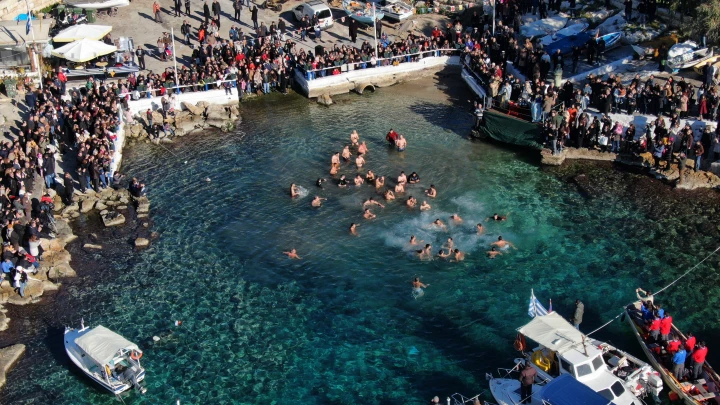
In Greece, the holiday season does not end on New Year’s Day. Instead, it culminates in one of the most symbolic celebrations of the year: Epiphany, known in Greek as Theofania. More than a religious holiday, Epiphany in Greece represents the triumph of light over darkness, a spiritual “new beginning” for individuals and communities. For anyone living in Greece, or dreaming of owning a home here, Epiphany offers one of the most authentic snapshots of local culture. From the blessing of the waters to ancient folk rituals, this day reveals the deep connection between the Greek people, nature, and tradition.
30.12.2025
Crete is stepping into the global spotlight once again. According to Airbnb’s latest travel trend insights based on worldwide search data from Q3 2025, the island — and especially the iconic Samaria Gorge National Park — ranks among the most sought-after nature destinations for 2026. This surge reflects a broader shift in how people choose where to travel, live, and invest. Travellers are no longer looking only for beaches or city breaks. Instead, they are drawn to authentic natural environments, outdoor experiences, and destinations that offer both beauty and balance, qualities that Crete delivers effortlessly.
19.12.2025
Greece is known mostly for its pristine beaches and its endless summers. Also, Greek cuisine, with its unique Mediterranean dishes, is widely sought after. What might feel surprising is the magical beauty during Christmas in Greece. The country has a long festive season that runs from Christmas to Epiphany (the “Φώτα” on 6 January), full of local customs, food traditions, and small village rituals that still matter to people today. Winter destinations are also famous in Greece, as according to the latest Monitoring Sentiment for Intra-European Travel report (Wave 23) by the European Travel Commission (ETC), Greece ranks among the top 10 most desired European destinations for travel between October 2025 and March 2026, holding a solid 7th place.