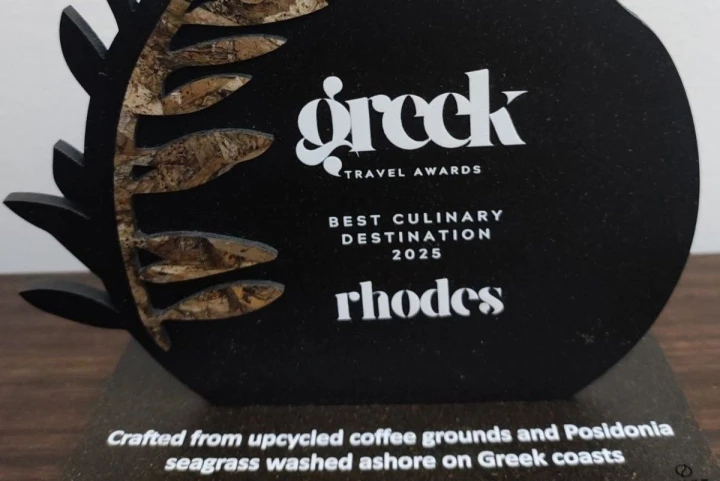
The island of Rhodes has been officially named Best Culinary Destination 2025 at the Greek Travel Awards, held during the World Travel Market in London in early November. This prestigious recognition highlights the island’s remarkable effort to promote local flavours, authentic hospitality, and sustainable culinary tourism. The award was proudly received by George Toppos, Deputy Mayor for Tourism and Culture, and Yiannis Papavasileiou, President of the Rhodes Hoteliers Association, in the presence of Deputy Minister of Tourism Anna Karamanli.
“This honour reflects our shared vision — to connect gastronomy with culture and hospitality,” said Mr. Toppos. “Rhodes continues to hold a strong position in international markets, and the signs for 2026 are very promising. Visitors increasingly seek authentic experiences, local cuisine, and sustainable ways to explore the island.”
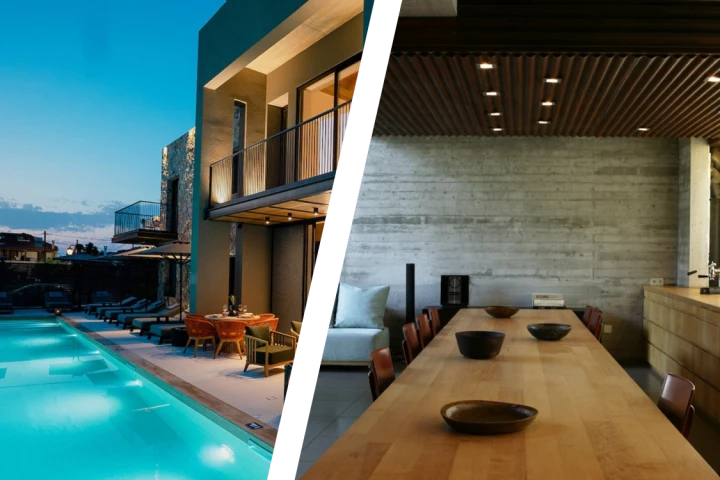
Culinary culture is an essential part of lifestyle appeal for buyers — and Rhodes reflects this connection beautifully. For readers curious about living amid this rich culinary and cultural landscape, The Sunset Collection is a new development of nine villas with sea and sunset views, less than 2 km from the beach, 20 minutes from the airport, and a short drive to Rhodes Town, starting from €289,000.
From the Land to the Table: The Heart of Rhodian Cuisine
Beyond the beaches and medieval charm, Rhodes is also a culinary mosaic, a blend of Mediterranean simplicity, Dodecanese tradition, and a passion for local ingredients. From handmade pitaroudia (chickpea fritters) and lahanodolmades (stuffed cabbage leaves), to sun-dried octopus and honey-soaked desserts, every dish tells a story of the island’s people and seasons.
A Local Voice: Talking with a Traditional Rhodian Taverna
To capture the spirit behind this new recognition, we spoke with one of the island’s beloved traditional restaurants. Its name is Paranga, located in the entrance of the village of Apollona, about one hour away from the old town, in the place that once housed the Italian officers' club. Today, two families who run the restaurant offer every visitor authentic Rhodian cuisine. The décor of the restaurant is traditional, reminiscent of a bygone era, dominated by stone and wooden structures crafted by the village carpenter.
When we asked the owner about his feelings for this award given to the island, he said: “The international recognition of Rhodian cuisine is for us a source of pride but also responsibility. It enhances the value of local gastronomy and proves that our traditions can stand with merit at an international level. For a local restaurant, this distinction is an incentive to continue with even greater consistency to showcase the island’s authentic flavours, using quality ingredients and traditional cooking techniques”. As he added, the essence of Rhodian cuisine “is characterised by authenticity, simplicity, and a strong bond with the local land. In simplicity lies the good; that is where one discovers it. Visitors encounter flavours based on exceptional olive oil, fresh vegetables, wild greens, fish, and locally sourced meats. Dishes such as kapamas or lakani, legume stew with goat, various versions of pitaroudia, ladera, as well as other local recipes like rhodian yaprakia (stuffed vine leaves) with cumin, tomato, and herbs, and pounges (herb pies cooked in their own juices), reflect the philosophy of the local cuisine: simplicity with substance and great taste”.
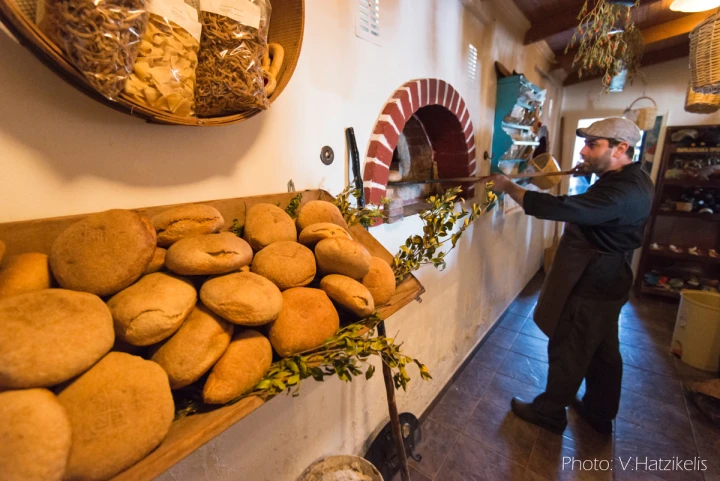
When asked about the most representative traditional dishes of the island, he replied: “The yaprakia (stuffed vine leaves), pitaroudia, kapamas, legume stew with goat, as well as the Rhodian breads, are some of the iconic dishes”.

As he noted, one of his tavern's basic principles is to collaborate with local producers and source fresh products. A quality meal can be unforgettable for a traveller, and a traditional dish can connect them to the place. Local cuisine plays a defining role in tourism and increasingly influences lifestyle and real estate demand. We then asked about lesser-known Rhodian recipes that could attract international interest: “There are products and recipes that could become more widely known. The local pasta (makarounia, trachanas), the traditional pies, spoon sweets, honey, Rhodian herbs, as well as simpler dishes like ladera with wild greens and the wonderful kattavia legumes, all have tremendous potential. If highlighted properly and respectfully, they can attract food lovers from all over the world”.In conclusion, the owner emphasised the growing interest in local, authentic flavours among visitors. In recent years, we have observed that travellers are increasingly interested in authentic experiences. They seek local flavours, small producers, and traditional recipes”.
Rhodes on a Plate: A Dish that Tells the Island’s Story
When asked to capture Rhodes on a plate, he chose this: “It would be a dish that combines land and sea – for example, a fresh fish paired with pure vegetables and wild greens, accompanied by a traditional meze such as yaprakia or a puree made from kattavia chickpeas. This dish expresses the simplicity, freshness, and authenticity of Rhodes. Clean flavours, genuine ingredients, and a philosophy of hospitality”.
Rhodes offers many opportunities for those seeking a vacation home in Greece, places where the island’s relaxed lifestyle and culinary culture come together. For those inspired by Rhodes’ flavours and searching for a home that captures the same warmth, one such example is Watermelon Villa in Gennadi, a contemporary property that reflects the island's peaceful, sun-soaked character.
Rhodes: A Destination for All the Senses
From traditional tavernas to modern restaurants, every meal in Rhodes tells a story of authenticity, community, and timeless Greek hospitality. Whether you’re visiting, investing, or dreaming of a new Mediterranean lifestyle, Rhodes offers the perfect mix of culture, flavour, and charm; a true taste of Greece’s soul. If you are thinking of buying your own piece of Rhodes, contact us here - our team can guide you.