A surprising pattern is emerging across many parts of the world: smaller homes are increasingly in demand. In Greece, price trends make this shift unmistakable — but the phenomenon isn’t just local. From the U.S. to Europe and beyond, compact living is capturing the attention of investors and buyers.
Greece’s Real Estate Market: A Sharp Shift Toward Smaller Apartments
According to the latest data for 2025 from Redataset, the Greek property market indicates that homes measuring 20 to 50 m² have experienced the strongest price growth, with a national rise of 10.5% in this size range. On average, these units are now approximately €2,579 per square meter, higher than larger apartments in many categories.
Smaller homes (below 80 m²) make up 43.5% of all listings, and the 20-50 m² range enjoyed a +16.5% jump in new listings compared to the year before. This clearly highlights both growing demand and increasing investor confidence in compact housing.
What’s driving this in Greece? A few factors: younger buyers, smaller households, the expanding short-term rental market, and investors seeking lower-entry price points. At the same time, the supply of brand-new affordable homes remains limited, so the pressure is on smaller units.
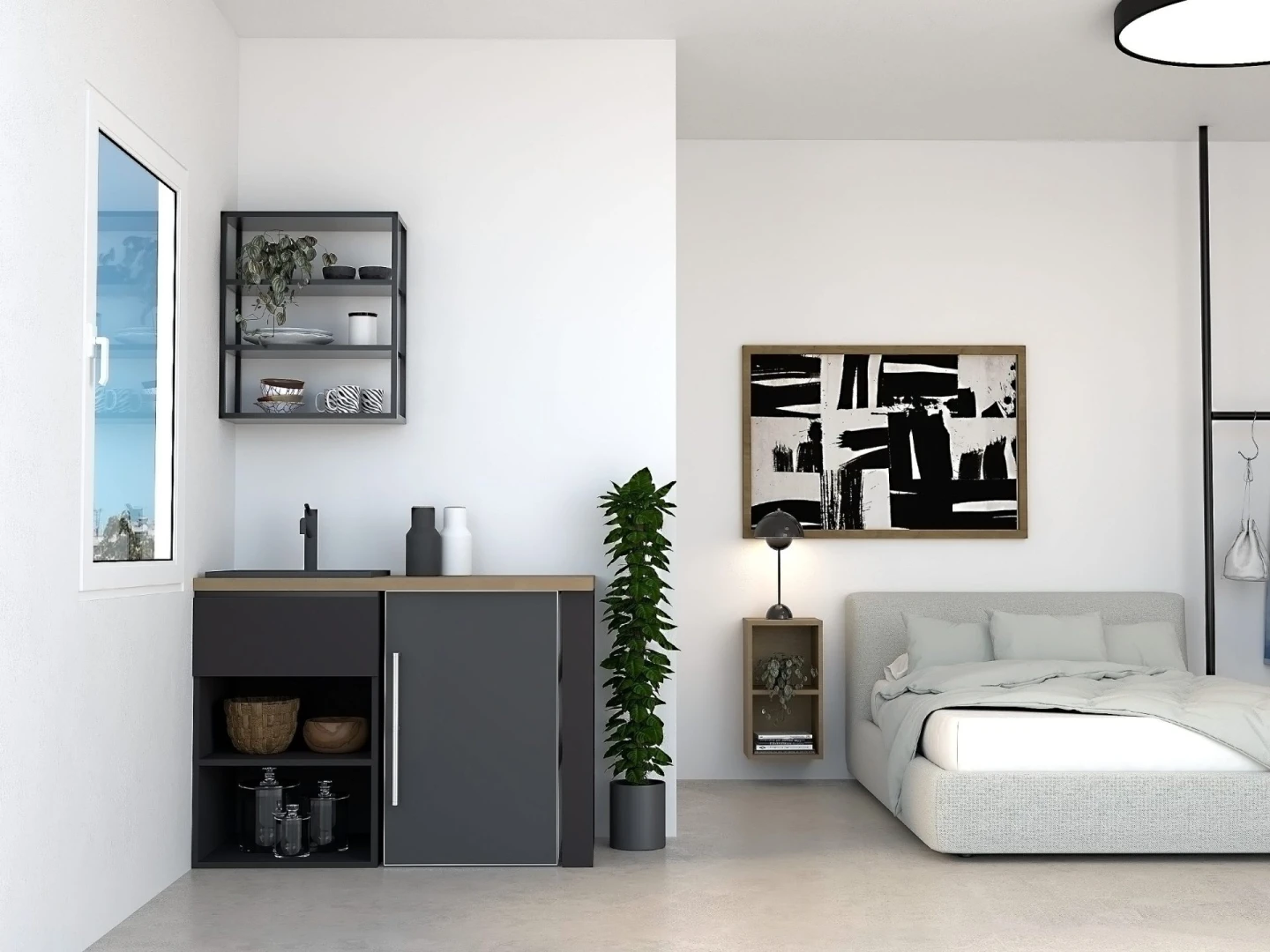
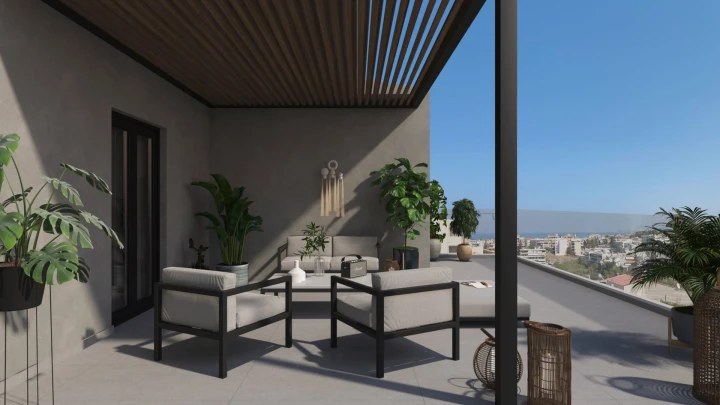
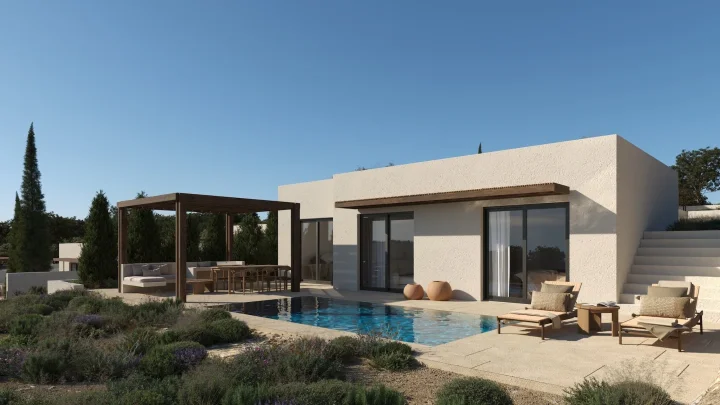
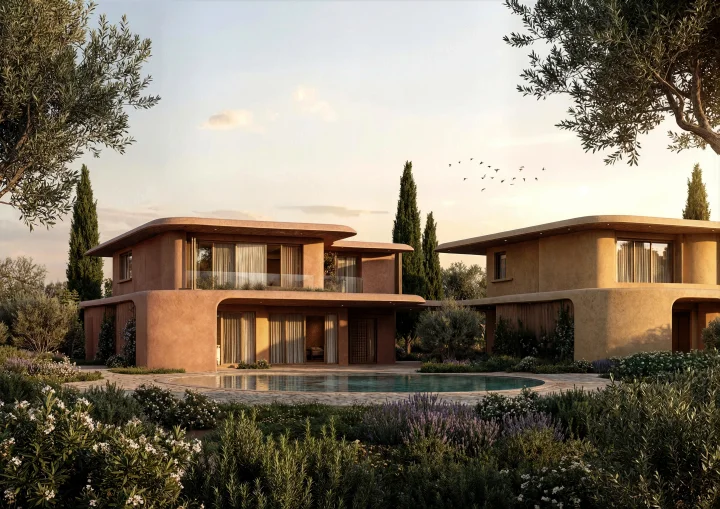
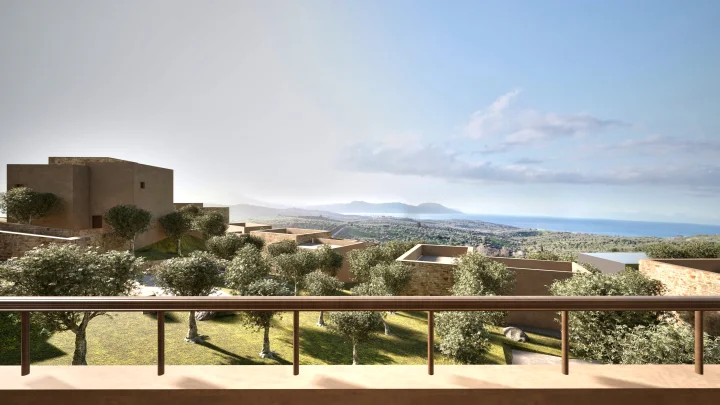
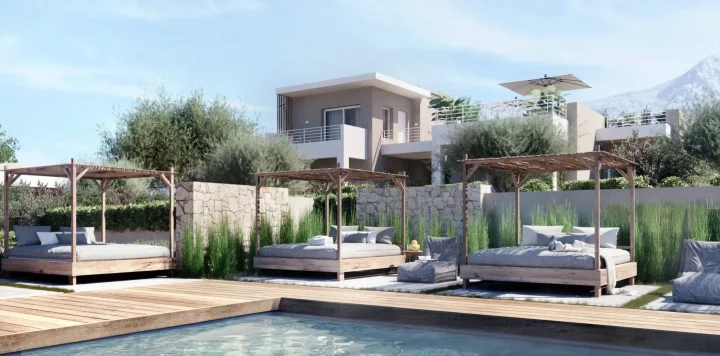
If you’re curious to explore how compact coastal living looks in practice, this collection of 21 boutique apartments in Syros is a great example of modern small-home design:
Global Trend: Compact Homes Gaining Ground Worldwide
This pattern in Greece echoes broader global forces. A few highlights:
– According to a global market report on “tiny homes”, the segment is valued in the billions and is projected to grow steadily thanks to affordability, sustainability and flexible living.
– A recent article in Investopedia notes that rising home prices are prompting more buyers to “think small,” with median house sizes in the U.S. declining and smaller homes/townhomes becoming increasingly popular.
– Research by Hines Research reveals a global housing shortage and affordability crisis, indicating that an increasing number of households are seeking housing solutions that are smaller, more affordable, and often in rental or compact forms.
In short, many markets are facing the same dynamic — higher prices, limited new supply, smaller household sizes, and shifting lifestyles — all of which favour the “smaller-home” segment.
Why Smaller Homes Make Sense Now
Here are the key reasons why smaller homes are becoming a meaningful part of the real estate story:
– Affordability: Lower purchase price, lower maintenance, lower running costs. For first-time buyers or investors, this is a strong pull.
– Lifestyle change: More people are single, delaying family formation, or working remotely. Smaller units are well-suited for flexible living and urban locations.
– Rental & investment demand: In cities with strong tourism or temporary rental markets, compact units are easier to manage, rent out, and turn into income-producing assets.
– Supply constraints: As in Greece, where new affordable homes are scarce, smaller units become the realistic entry point.
– Sustainability / environment: Smaller homes use fewer materials, consume less energy, and align with minimalist and eco-friendly living ideals. Global tiny-home data mentions this explicitly.
Changing Definitions of “Home Size”
Not long ago, a typical two-room apartment in Greece (and broadly across Europe) would often measure 80–90 square meters, offering generous layouts and larger living areas. Today, however, the market is redefining what “comfortable living” looks like. Newer two-room homes — especially in urban centres — are now frequently designed at 50–60 square meters, reflecting modern lifestyle needs, construction trends, and affordability pressures. This shift shows how developers, buyers, and tenants are embracing more efficient floor plans that prioritise smart design over sheer square footage.
Risks & Considerations
Of course, it’s not all upside. While smaller homes offer lower entry costs and high demand, the trend comes with its own challenges. Here’s what both buyers and sellers should consider before jumping in:
– Regulations: The “tiny home” movement remains niche in many areas, and regulatory or zoning issues may be applicable.
– Limited space and flexibility: Compact units are suitable for singles or short stays, but they can quickly feel restrictive for long-term living or growing households.
– Pricing: In some markets, the premium per square metre may rise faster for smaller units, potentially squeezing affordability.
– Resale liquidity: Demand is strong now, but resale value may depend heavily on location and building condition. Older, smaller units without balconies or energy upgrades may depreciate more quickly.
Price Trends in Greece: How Small Homes Lead the Market
Nationwide data shows that homes measuring 20–50 square meters now average €2,579 per square meter. Properties sized 51–80 square meters are priced at around €2,264 per square meter, while larger homes of 111–140 square meters reach an average of €2,593 per square meter.
These pricing patterns reveal a clear message: while Greece’s housing market is expanding across all size categories, the smallest units are driving most of the momentum. This creates a natural lead-in to the table, keeping the pacing smooth.
| House Area | Price per square meter |
| 20–50 sq.m. | €2,579 |
|
51-80 sq.m. |
€2,264 |
| 111-140 sq.m. | €2,593 |
Despite price increases across all categories, ReDataset’s findings reveal that small homes face the strongest upward pressure, primarily driven by rising demand. As a result, compact properties are the main force pushing overall housing prices higher at the national level.
The Rise of Smart-Sized Living: A New Era for Greek Real Estate
The shift toward smaller homes in Greece is more than a passing trend; it reflects what an increasing number of people choose to live, work, and invest in today. Compact apartments cater to the needs of modern buyers seeking urban access, flexibility, and affordability in a market where larger homes often feel out of reach for many.
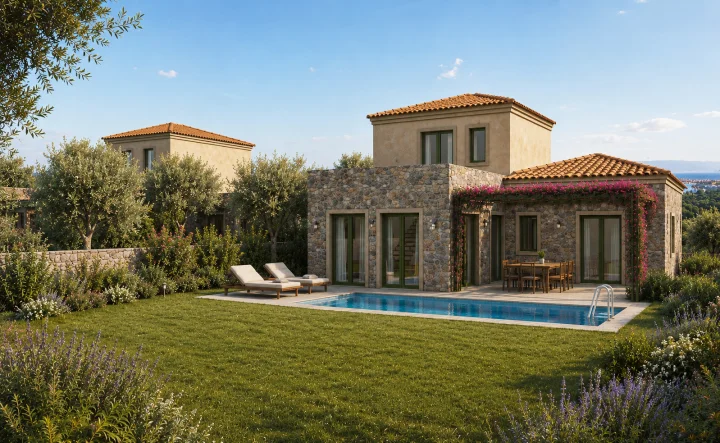
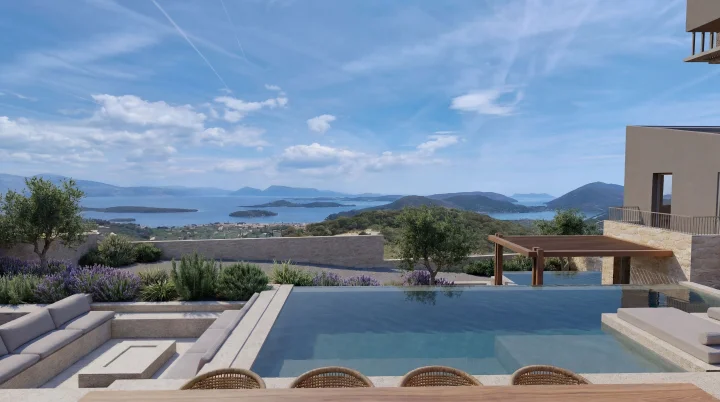
While big villas and spacious homes always attract attention, “smart-sized living” represents a new chapter for Greek real estate; one defined not by square meters, but by efficiency, creativity, and lifestyle value.