Athens Leads In Quantity; the Peloponnese Marked The Largest Increase
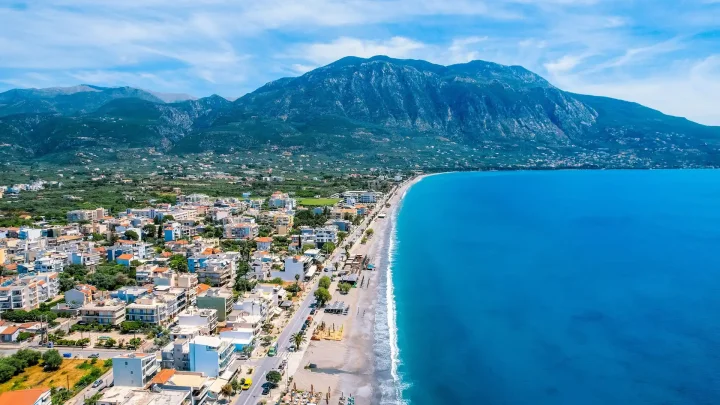
The capital, Athens, led the way, welcoming nearly 7 million international visitors (+9,6%), the highest figure nationwide. Thessaloniki (+10%) also saw a solid increase, while the Peloponnese region impressed with double-digit growth (+11%), mainly in Kalamata and Araxos, showing that more travellers are now discovering destinations beyond the classic island circuit. Among the islands, Crete retained the top spot with 5 million arrivals, an increase of 4.6%, followed by the Dodecanese and the Ionian Islands, all recording healthy gains. A significant increase was recorded in Corfu, while Rhodes and Kos also saw an upward trend. The Cyclades saw a small decline overall, mainly due to fewer arrivals in Santorini, though Mykonos managed to hold steady. These figures confirm that Greece’s tourism growth is no longer concentrated in just a few hotspots; visitors are spreading across regions, boosting local economies and opening new opportunities for vacation, hospitality, or even real-estate investment.
Key Travel Markets Show Strength
Greece’s main source markets continued to perform strongly in 2025, driven by steady European demand and surging long-haul interest. - Germany remains Greece’s largest travel market, with steady growth (+7.8%). - United Kingdom continues to show robust demand and strong travel ties (+4.5%). - United States is among the fastest-growing, reflecting increased long-haul tourism (+6.1%) - France experienced a temporary slowdown after last year’s record season (-6.3%). - Italy maintained positive momentum with modest gains (+2.1%). - These trends show that Greece’s visitor base is both broad and resilient, supported by repeat travellers and new audiences alike.