Santorini’s Volcano
The famous eruption in Santorini was in 1600 BC. The impacts were felt across the Aegean, as it caused a 150-meter tsunami to reach Crete, which brought an end to the Minoan civilization. Today, the soil of Santorini is porous and retains water well even in dry spells. This makes the island of Santorini perfect for grape production. At the same time, the eruption preserved viniculture from the Bronze Age, which shows that wine has been produced in the area for at least 3,600 years. The volcanic soil is the perfect bed for colorful flowers, grasses, and brush. To notice the details, you have to take a drive around the island because you can’t see the wildflowers all the way from a boat when you dock in Thira.
Santorini’s Colorful Beaches
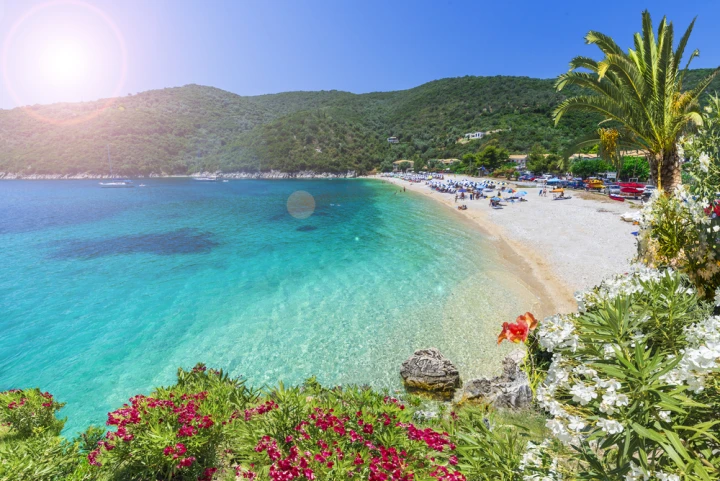
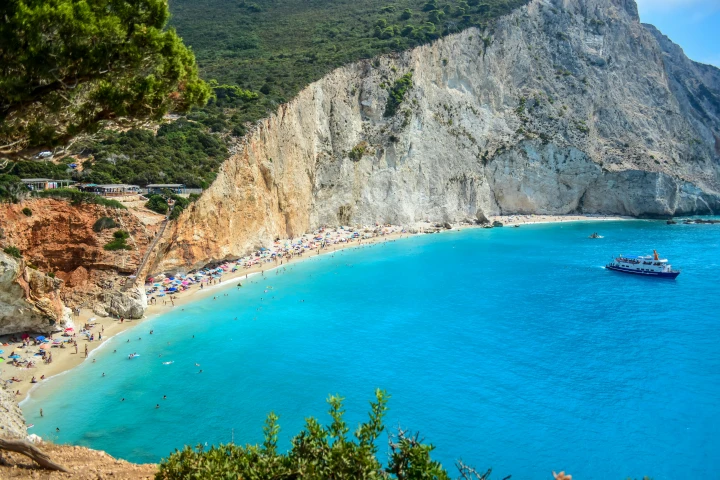
The beaches of Santorini come in a variety of colors. Red Beach, White Beach, and Black Beach are some of the best-known attractions. The colorful array is a result of hardened lava. The current color depends on the layer of rock that is open to the air. For example, Red Beach indicates that there is a lot of iron in the area, which was deposited by the iron-rich lava. White Beach is next to Red Beach and is only reachable by boat. The grey volcanic grains of sand make a strong contrast compared to the blue of the Mediterranean. Black Beach is just one of the black sand beaches on Santorini, and it was also created during the eruption. Some experts say that when the lava entered the sea, it created basalt fragments that created the black beach in a very short amount of time. Other scientists say that the island was covered in ash and lava after the eruption, which then mixed with the sand and created the dark hue. When you travel to Santorini, you have to see Perissa, Perivolos, and Kamari beaches.

 Regional Guides