The Traditional Greek Carnival Story
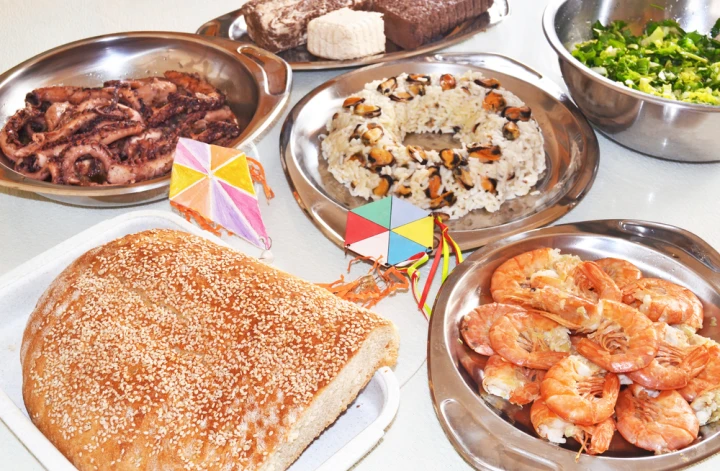
The Greek Carnival is celebrated three weeks before Clean Monday, also known as Ash Monday, when the long fast of Lent begins. In Greek, the Carnival is called Apokries, meaning to abstain from meat. While after the Carnival period, Christian believers do not eat meat, the celebrations of the Carnival include great amounts of grilled meat. Interestingly, most masquerade parties take place on Tsiknopempti, the last Thursday before Lent, which in the Greek language means the Thursday of "smoke and smell from roasting meat"! Despite being linked to the religious holiday of Easter, the Apokries include several pagan customs. In fact, the Greek carnival traditions resemble the feasts thrown for Dionysus, the ancient Greek god of wine and theatre.
Important Greek Carnival Traditions
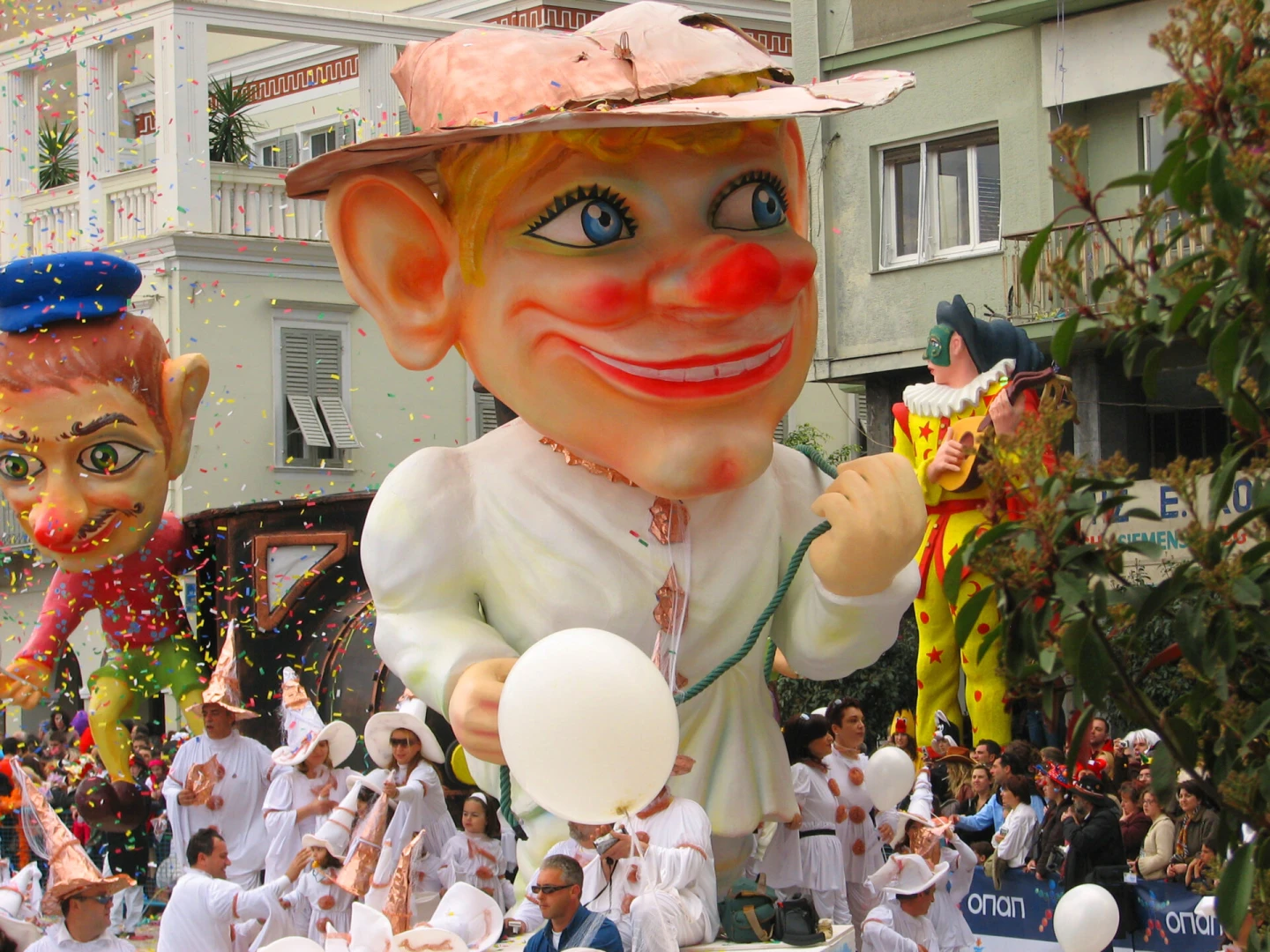
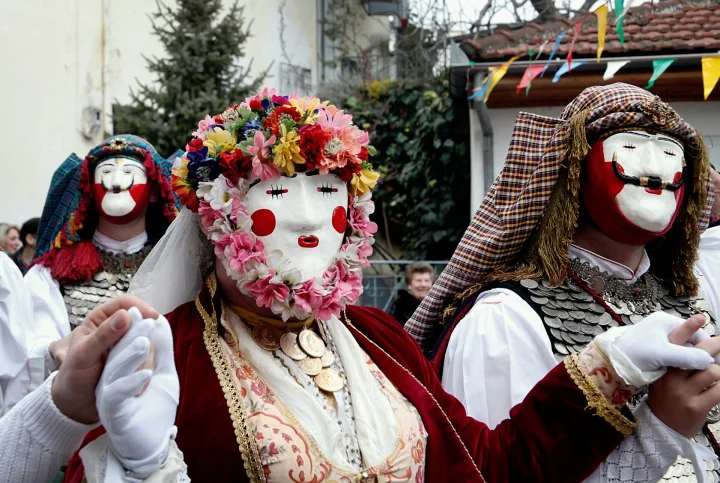
As in other cultures, in the Apokries, the most popular tradition is dressing up and going to parties and parades. The Carnival in Greece, in a nutshell, is masquerades, dancing, and satire. Certainly, there is a great geographical variation of customs, dresses, and special events across Greece and the Greek islands. In many areas, such as in Kastoria and Xanthi, festivities include fires which relate to the burning of evil. In Naousa, the customary dress is the Genitsari, for unmarried young men, and the Boules, who represent female brides.