The Turnaround
The clearest signal is the credit rating. After losing it during the debt crisis, Greece has regained investment-grade status from all the major rating agencies in recent years, a milestone that reflects improved public finances and steadier government. The wider economy has followed suit. Growth has run ahead of the eurozone average, at around 2% a year recently, led by investment and a strong tourism sector. Public debt has fallen sharply from its 2020 peak, unemployment has come down, and the banks are in far better shape than they were. EU recovery funds are flowing into the country through 2026, supporting further investment. For a property buyer, the takeaway is simple: the economic backdrop is more stable and more confident than it has been in years.
Why It Matters for Property
A stronger economy is part of the story, but the bigger change for buyers is transparency. Greece has steadily moved its property system online and tightened up its records. The National Cadastre has been rolled out to better protect owners' rights. More transactions and services have moved online, cutting red tape. And the Electronic Building Identity now gives each property a documented, official history before it can be sold. Together, these reforms make buying in Greece clearer and safer than it used to be. You can see what you're buying, and the paperwork behind it, with far more confidence.
Steady Demand and Relative Value
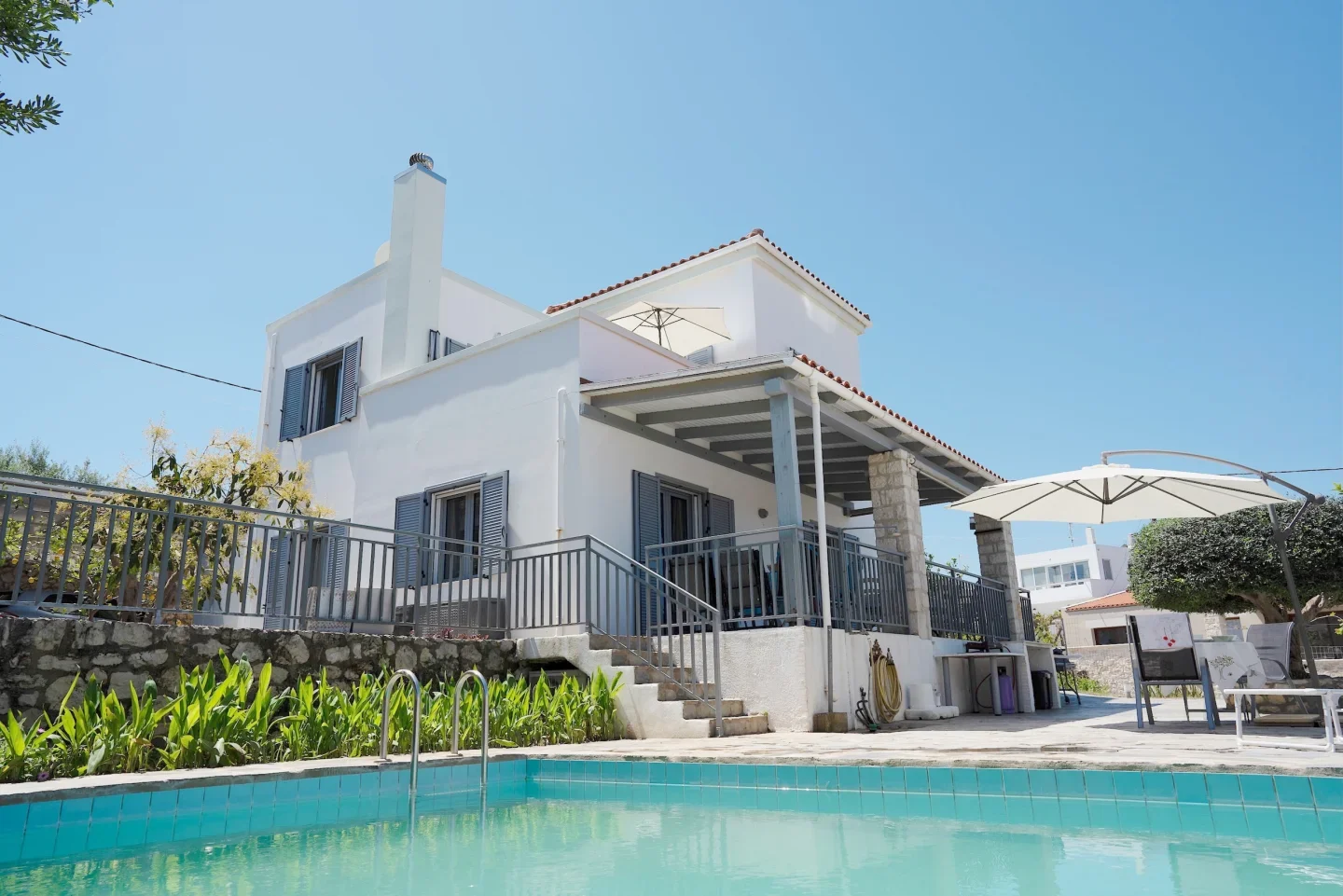
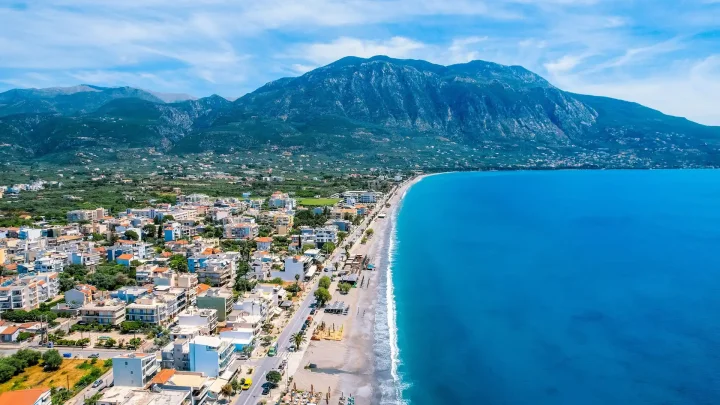
Foreign interest in Greek property has stayed strong, from both holiday-home buyers and those seeking residency. Demand has been particularly steady for coastal homes in regions like Crete and the Ionian islands, two of the areas we know best. Part of the appeal is value. Despite rising in recent years, Greek property prices generally remain below those in many other European markets, which continues to draw international buyers. That said, prices and demand vary a great deal by location and over time, so it's worth looking at each area and property on its own merits rather than the national picture alone.