Yes, Thessaloniki is generally cheaper than Athens for property purchases, with prices typically 20–40% lower across most property types. The price difference stems from Athens’ status as the capital and primary economic centre, creating higher demand and property values. Both cities offer distinct advantages for property investment, with Thessaloniki providing better value while Athens offers stronger rental yields and international connectivity.
What are the current property prices in Thessaloniki compared to Athens?
Thessaloniki property prices remain significantly more affordable than Athens across all property categories. Central Thessaloniki apartments typically cost 30–40% less per square metre than equivalent properties in central Athens, while suburban areas show even greater disparities of up to 50%.
The Athens real estate market commands premium pricing due to its role as Greece’s political and economic hub. Prime locations in Athens, such as Kolonaki and Kifisia, reach price levels that exceed even Thessaloniki’s most prestigious neighbourhoods. However, this pricing gap varies considerably by property type and location within each city.
Apartments represent the most common property type in both cities, with Athens showing consistently higher values across all size categories. Houses and villas demonstrate similar patterns, though the percentage difference narrows slightly for larger properties. New construction projects in Thessaloniki offer particularly attractive value propositions compared to similar developments in Athens.
The Greek property comparison reveals that factors driving these differences include employment opportunities, international business presence, and infrastructure development levels. Athens benefits from its international airport, port facilities, and concentration of multinational companies, all contributing to sustained property demand.
Why is Thessaloniki generally more affordable than Athens for property buyers?
Economic fundamentals explain why Thessaloniki vs Athens housing costs favour the northern city. Athens concentrates Greece’s major corporations, government institutions, and international businesses, creating higher employment levels and income potential that support elevated property values.
Population density differences significantly impact housing demand patterns. The Athens metropolitan area houses nearly four million residents, while Thessaloniki’s greater urban area contains approximately one million people. This population concentration in Athens creates intense competition for desirable properties, particularly in central locations.
Infrastructure development has historically favoured Athens, with substantial investments in transport networks, cultural facilities, and business districts. The city’s international airport handles significantly more traffic than Thessaloniki’s airport, enhancing Athens’ appeal for international buyers and investors seeking connectivity.
Tourism patterns also influence property markets differently. Athens attracts year-round business and cultural tourism, supporting consistent rental demand. Thessaloniki’s tourism is more seasonal and regional, creating different investment dynamics that generally favour lower property prices but potentially more variable rental returns.
Which neighborhoods in Thessaloniki offer the best value for property investment?
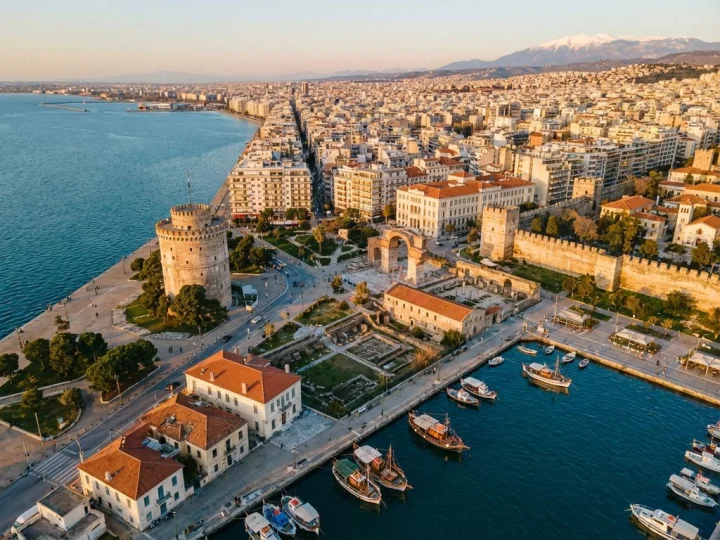
Central Thessaloniki districts provide excellent combinations of location, amenities, and growth potential. Areas near the White Tower and waterfront offer historic charm with modern conveniences, typically priced well below comparable Athens neighbourhoods while maintaining strong rental appeal.
Kalamaria represents one of Thessaloniki’s most sought-after residential areas, offering seaside living with excellent transport links to the city centre. Properties here cost significantly less than equivalent coastal areas in Athens while providing similar lifestyle benefits and investment stability.
The university district around Aristotle University creates consistent rental demand from students and academic staff. Property investment Greece opportunities in this area benefit from stable tenant pools and relatively affordable entry prices compared to university areas in Athens.
Panorama and other hillside suburbs offer exceptional value for buyers seeking houses with views and gardens. These areas provide lifestyle benefits similar to expensive Athens suburbs like Kifisia but at substantially lower cost points, making them attractive for both residential and investment purposes.
What additional costs should you consider when buying property in Thessaloniki vs Athens?
Transaction costs remain consistent between both cities, with the transfer tax of 3.09% applying equally regardless of location. This rate, calculated on the higher of the purchase price or objective value, represents one of Europe’s most competitive property transfer tax rates.
Legal fees and notary costs are at similar levels in both cities, though Athens may offer more competitive rates due to higher competition among legal professionals. Property surveys, translations, and due diligence services generally cost comparable amounts, with any differences being marginal rather than significant.
The annual ENFIA property tax varies based on objective values, which tend to be lower in Thessaloniki, resulting in reduced ongoing tax obligations. Each co-owner pays ENFIA individually based on their ownership percentage, with bills issued separately through their Greek tax number (AFM).
Golden Visa considerations affect both cities equally, with the €250,000 minimum investment threshold applying nationwide, though certain prime areas in Athens now require €800,000. Ongoing costs such as utilities, maintenance, and property management services typically favour Thessaloniki due to lower local service costs.
How do rental yields compare between Thessaloniki and Athens properties?
Athens housing costs may be higher, but the city typically generates superior rental yields due to stronger demand and higher achievable rents. Central Athens properties often produce annual yields of 4–6%, while Thessaloniki properties commonly generate 3–5% returns.
Short-term rental markets favour Athens significantly, with its international tourism appeal supporting higher nightly rates and occupancy levels throughout the year. Thessaloniki’s short-term rental market exists but operates at lower rate levels and with more seasonal variation, particularly affecting coastal properties.
Long-term rental markets in both cities provide stable income streams, though Athens benefits from higher professional salaries and international expatriate populations willing to pay premium rents. Thessaloniki’s rental market serves primarily local residents and students, creating different pricing dynamics.
The Greek real estate market shows that rental income taxation applies individually to each property owner, allowing co-owners to benefit from lower tax brackets independently. With new rental income tax brackets starting in 2026, including a 25% rate for income between €12,001 and €24,000, tax efficiency becomes increasingly important for investment planning.
What are the pros and cons of choosing Thessaloniki over Athens for your Greek property purchase?
Thessaloniki offers superior affordability and authentic Greek lifestyle experiences at significantly lower cost points than Athens. The city provides excellent cuisine, vibrant cultural life, and seaside access while maintaining a manageable urban scale and less congested living conditions.
Athens’ advantages include superior international connectivity, stronger rental markets, and greater resale liquidity. The capital’s established expatriate communities, international schools, and business opportunities make it more suitable for buyers prioritising convenience and investment performance over lifestyle value.
The Thessaloniki property market suits buyers seeking authentic Greek experiences, lower living costs, and relaxed urban environments. Properties here offer excellent value for holiday homes and retirement residences, particularly for buyers not requiring frequent international travel or extensive metropolitan amenities. To explore available options in both cities, browse our comprehensive properties list featuring vetted investment opportunities.
Investment perspectives differ significantly between the cities. Athens provides stronger capital appreciation potential and rental yields but requires higher initial investment. Thessaloniki offers lower entry costs and authentic Greek living but may show slower capital growth and rental income potential.
Both cities benefit from Greece’s attractive tax environment, including the current suspension of capital gains tax for individuals until 31 December 2026. However, buyers should consider that selling three or more properties within any two-year period triggers business activity classification with progressive tax rates from 9% to 44%.
Whether you choose Thessaloniki’s affordable charm or Athens’ metropolitan advantages, professional guidance ensures legally secure transactions and optimal investment outcomes. Our comprehensive property purchase assistance service provides expert support throughout the entire buying process. For personalised advice on Greek property purchases in either city, contact our experienced team to discuss your specific requirements and investment goals.
Disclaimer: This content is for informational purposes only and does NOT constitute legal or tax advice. For any issues relating to specific cases, it is highly recommended to consult a lawyer, an accountant, or a notary, depending on your needs.