Rhodes offers excellent property investment opportunities, combining strong tourism appeal with a strategic Mediterranean location and robust infrastructure. The island’s year-round climate, UNESCO heritage sites, and growing international connectivity create sustained rental demand and capital appreciation potential. However, success requires understanding local market dynamics, legal requirements, and realistic budget expectations for Greek island property ownership.
What makes Rhodes attractive for property investment?
Rhodes combines exceptional tourism infrastructure with strategic location advantages that drive consistent property demand. The island attracts over two million visitors annually, creating robust rental markets for holiday homes and investment properties.
The island’s year-round Mediterranean climate extends rental seasons well beyond typical summer peaks. Mild winters with some rain but sunny the vast majority of days annually make Rhodes appealing for both short-term holiday rentals and longer-term international residents seeking permanent Greek island living.
UNESCO World Heritage status for Rhodes Old Town adds cultural prestige and tourism magnetism that supports property values. The medieval city, combined with ancient sites like the Acropolis of Lindos, creates enduring appeal that transcends seasonal tourism trends.
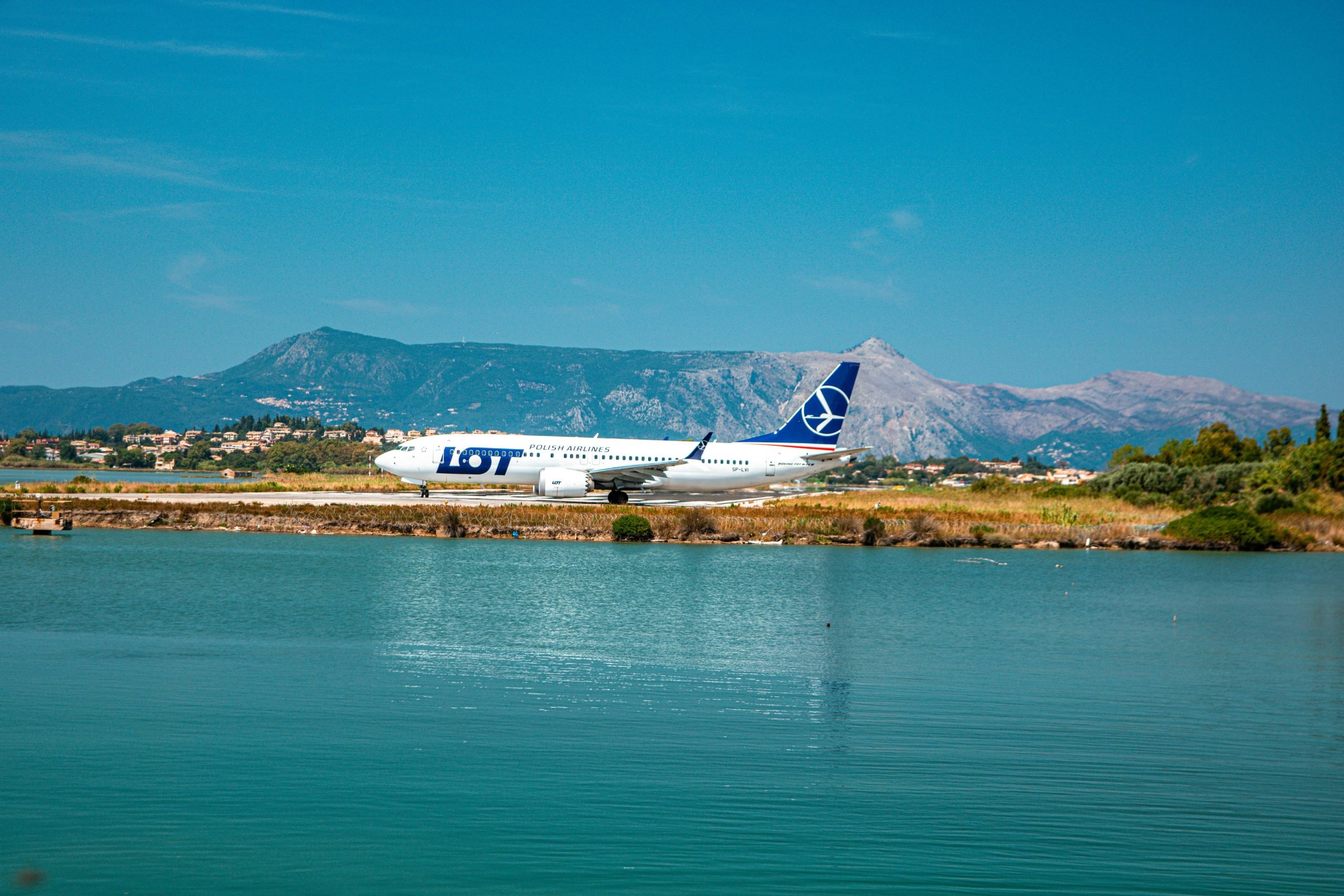
Infrastructure development strengthens Rhodes property investment fundamentals. The international airport handles direct flights from major European cities, while ongoing port improvements enhance accessibility. Modern telecommunications, healthcare facilities, and utilities meet international standards expected by foreign property buyers.
Strategic positioning within the Dodecanese island group provides access to Turkish markets and emerging Eastern Mediterranean tourism routes. This geographic advantage positions Rhodes property for continued growth as regional tourism expands.
How much does property actually cost in Rhodes?
Rhodes property prices vary significantly based on location, with coastal areas commanding premium rates while inland villages offer more affordable options. Understanding the complete cost structure helps international buyers budget realistically for Greek island property investment.
Coastal properties near popular beaches like Faliraki, Kallithea, and Lindos typically represent the highest price segment. Seafront apartments and villas command substantial premiums for direct beach access and unobstructed sea views.
Rhodes Town properties, particularly within or near the UNESCO Old Town, maintain strong values due to cultural significance and rental potential. Modern apartments outside the medieval walls often provide better value while maintaining town-centre accessibility.
Inland villages throughout Rhodes offer significantly lower property prices, appealing to buyers seeking authentic Greek island living or renovation projects. These areas require careful evaluation of infrastructure, accessibility, and potential rental markets.
Beyond purchase prices, international buyers must budget for additional costs including the 3.09% transfer tax, calculated on the higher of the purchase price or the government objective value. Legal fees, notary costs, and translation expenses typically add another 2–3% to total acquisition costs.
Annual ownership costs include ENFIA property tax, municipal taxes, insurance, and maintenance. Properties requiring renovation demand substantial additional investment, particularly for older buildings needing modern infrastructure upgrades.
What are the main challenges of buying property in Rhodes?
International buyers face several significant obstacles when purchasing property in Rhodes, from complex legal requirements to language barriers and bureaucratic processes. Understanding these challenges helps buyers prepare adequately for successful transactions.
Greek property law complexity presents the primary challenge for foreign buyers. The legal system requires thorough due diligence, title deed verification, and compliance with numerous regulations that differ substantially from other European property markets.
Language barriers complicate every aspect of the transaction, from initial property searches through to final contract signing. Critical legal documents, planning permissions, and municipal records are typically available only in Greek, requiring professional translation services.
Bureaucratic processes in Greece involve multiple government agencies, each with specific requirements and timelines. Property registration with the Greek National Cadastre, tax number applications, and various permits require patience and local expertise.
Title deed verification proves particularly challenging for older properties in Rhodes. Some properties may have incomplete documentation, disputed boundaries, or inheritance issues that require resolution before completion of the purchase.
Finding qualified local professionals becomes essential but challenging for international buyers. The process requires coordinating lawyers, notaries, surveyors, and tax specialists who understand both Greek law and international buyer needs.
Currency fluctuations and international banking requirements add complexity to fund transfers and mortgage arrangements for foreign buyers purchasing Greek island property.
Which areas of Rhodes offer the best investment potential?
Different regions of Rhodes offer distinct investment advantages depending on buyer objectives, from high-yield rental properties to long-term capital appreciation opportunities. Successful investment requires matching area characteristics with investment goals.
Rhodes Town provides the strongest rental yield potential due to year-round demand from tourists, business visitors, and international residents. Properties near the Old Town command premium rents while offering cultural amenities and infrastructure advantages.
Lindos represents the premium investment segment with exceptional capital appreciation potential. The village’s UNESCO-protected status, stunning acropolis views, and international recognition create sustained demand despite higher entry costs.
Faliraki offers balanced investment opportunities, combining tourism infrastructure with more moderate property prices. The area’s established rental market, beach access, and entertainment facilities appeal to diverse visitor demographics.
Kallithea provides emerging investment potential with thermal springs, improving infrastructure, and proximity to Rhodes Town. Recent development projects and spa tourism growth create opportunities for early investors.
Quieter coastal villages like Pefkos, Haraki, and Stegna offer authentic Greek island experiences with growing international recognition. These areas may provide better long-term appreciation as tourism disperses beyond the main centres.
Inland mountain villages present renovation opportunities for buyers seeking authentic properties at lower prices. Success requires careful evaluation of accessibility, infrastructure, and realistic rental market potential.
How does the Greek Golden Visa program affect Rhodes property investment?
The Greek Golden Visa program significantly impacts Rhodes property investment by requiring a €500,000 minimum investment for EU residency rights. This threshold influences market dynamics, property selection, and investor behaviour across the island.
The €500,000 investment threshold applies to most areas of Rhodes, though some premium locations may face higher requirements as Greek authorities adjust regional thresholds. This minimum investment level naturally directs Golden Visa applicants toward higher-value properties.
Eligible property types include residential properties, commercial real estate, and land for development. Multiple properties can be combined to meet the investment threshold, allowing diversified Rhodes property portfolios within the Golden Visa framework.
The application process requires completion of the property purchase before submission of the residency application. Buyers must maintain ownership throughout the five-year initial permit period, influencing long-term investment strategies for properties in Rhodes.
Golden Visa benefits include EU travel rights, access to Greek healthcare and education systems, and pathways to permanent residency or citizenship. These advantages often justify premium property prices for qualifying international investors.
Non-EU investors, particularly from North America, Asia, and the Middle East, drive significant Golden Visa demand in Rhodes. This international interest supports property values and creates liquid markets for premium island properties.
Recent program adjustments include enhanced due diligence requirements and potential threshold increases, making timing important for prospective Golden Visa investors considering Rhodes property investment.
What should you expect from the Rhodes property buying process?
The Rhodes property buying process follows Greek legal requirements with specific timelines and procedures that international buyers must navigate carefully. Understanding each step helps ensure smooth transactions and legal compliance.
Initial property selection involves viewing suitable options and conducting preliminary negotiations with sellers or agents. This stage requires establishing realistic budgets, including all associated costs beyond the purchase price.
Preliminary agreements secure properties while allowing time for completion of due diligence. These contracts typically require 10–20% deposits and establish final purchase timelines, usually 30–90 days depending on complexity.
Due diligence requirements include title deed verification, planning permission checks, tax clearance confirmation, and completion of a property survey. This critical phase often reveals issues requiring resolution before completion of the purchase.
Tax obligations must be satisfied before notary procedures, including payment of transfer tax and registration for a tax number. Each co-owner in joint purchases pays transfer tax proportional to their ownership percentage, as individual tax liability applies regardless of marital status.
Notary procedures involve contract signing, ownership transfer, and property registration with the Greek National Cadastre. The notary requires all documentation, tax receipts, and legal clearances before executing the final deed.
Typical timelines for property purchases in Rhodes span 2–4 months from initial offer to completion, though complex cases involving legal issues or Golden Visa applications may require additional time. International buyers should plan for realistic timelines, especially when coordinating from abroad.
Successfully navigating property investment in Rhodes requires understanding local market conditions, legal requirements, and realistic expectations for both opportunities and challenges. Professional property purchase assistance becomes essential for international buyers seeking to capitalise on the island’s investment potential while ensuring legal compliance and effective risk management. For personalised advice on Rhodes property investment opportunities and legal requirements, we encourage you to contact our experienced team of Greek property specialists.
Disclaimer: This content is for informational purposes only and does NOT constitute legal or tax advice. For any issues relating to specific cases, it is highly recommended to consult a lawyer, an accountant, or a notary, depending on your needs.