Yes, Pelion is generally cheaper than most Greek islands for property purchases. This mountainous peninsula in central Greece offers significantly lower property prices compared to popular destinations like Mykonos, Santorini, or even Crete. Pelion’s affordability stems from its mainland location, lower tourism saturation, and developing infrastructure, making it an attractive alternative for buyers seeking affordable Greek property without sacrificing natural beauty or cultural authenticity.
What makes Pelion different from the traditional Greek islands?
Pelion stands apart as a mountainous peninsula connected to mainland Greece, unlike the isolated island destinations that dominate the Greek property market. This unique geography creates a dramatically different development pattern and accessibility profile that directly influence property values.
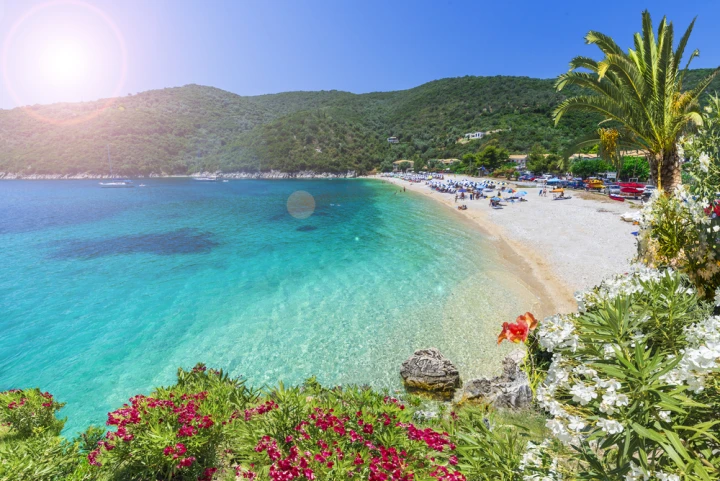
The peninsula features dense forests, traditional stone villages, and mountain slopes that cascade down to secluded beaches. Unlike islands with limited building space, Pelion offers more varied terrain for development, from mountain villages like Makrinitsa and Vizitsa to coastal areas such as Agios Ioannis and Tsagarada. This geographical diversity provides more property options across different price points.
Accessibility represents another crucial difference. While islands require ferry connections or flights, Pelion connects directly to Greece’s road network, making it easily reachable from Thessaloniki or Athens by car. This mainland connection reduces transport costs for both residents and tourists, influencing overall property market dynamics and making the Pelion real estate market more accessible to domestic buyers.
How do Pelion property prices compare to popular Greek islands?
Pelion property prices typically range from 30–60% lower than comparable properties on established Greek islands. While a seaside villa on Mykonos or Santorini commands premium prices, similar properties in Pelion’s coastal villages offer substantial savings without compromising on natural beauty or traditional architecture.
The price differential becomes most apparent when comparing similar property types. Traditional stone houses in Pelion’s mountain villages cost significantly less than equivalent properties in Crete’s popular areas or Corfu’s established neighbourhoods. Coastal properties in Pelion also present better value, particularly in areas like Milopotamos or Fakistra, where beachfront access does not carry the premium associated with island locations.
This pricing advantage extends across all property categories, from small apartments to luxury villas. The Greek islands real estate market’s international recognition drives higher prices, while Pelion remains relatively undiscovered by mass tourism, keeping property values more accessible for both investment and personal use.
What factors make Pelion properties more affordable than island real estate?
Several key factors contribute to Pelion’s competitive pricing advantage over island properties. Lower tourism saturation means less international demand driving up prices, while the mainland location reduces logistical costs for construction and maintenance.
Infrastructure development patterns also influence affordability. Islands often face constraints in utilities, water supply, and waste management that increase property development and maintenance costs. Pelion benefits from mainland infrastructure connections, reducing these operational expenses and keeping property prices more reasonable.
Market demand dynamics play a crucial role in the Pelion vs islands cost comparison. While islands attract intense international interest, particularly from buyers seeking prestigious addresses, Pelion appeals more to buyers prioritising value, authenticity, and natural beauty over status. This demand profile maintains more stable, accessible pricing levels.
Construction and renovation costs also favour Pelion due to easier material transport and contractor access. Island projects often require expensive ferry transport for materials and workers, adding significant costs that mainland peninsula properties avoid.
Which areas of Pelion offer the best value for property buyers?
The mountain villages of Pelion provide exceptional value for buyers seeking traditional architecture and authentic Greek village life. Areas like Portaria, Makrinitsa, and Zagora offer restored stone houses and building plots at prices well below island equivalents, while maintaining easy access to both mountain and coastal attractions.
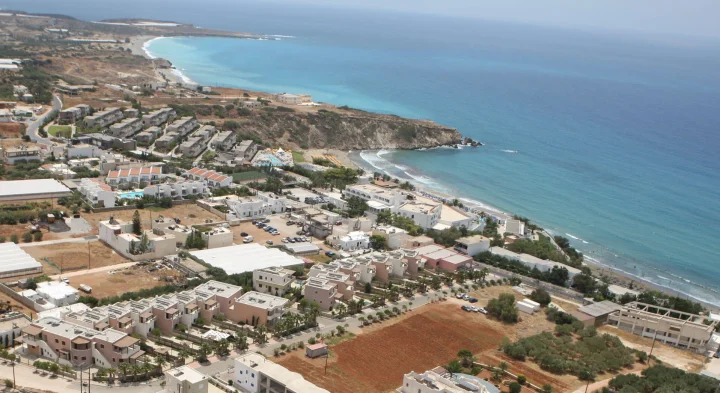
Coastal areas such as Agios Ioannis, Tsagarada, and Milopotamos present excellent opportunities for buyers wanting seaside properties. These locations combine beach access with mountain views, offering unique positioning that islands cannot match. The coastal villages maintain traditional character while providing modern amenities at competitive prices.
For investment-focused buyers, areas with developing tourism infrastructure like Chorefto and Agii Saranta offer growth potential. These locations provide affordable entry points into the Greek property investment market while maintaining proximity to established attractions and transportation links. Those seeking comprehensive guidance on available options can explore our properties list to discover suitable opportunities.
The central areas around Volos offer practical advantages for year-round residence, with urban amenities, healthcare facilities, and employment opportunities, while maintaining access to Pelion’s natural attractions at lower property costs than island urban centres.
What are the hidden costs of buying property in Pelion versus the islands?
Property acquisition costs in Pelion follow the same structure as island purchases, including the 3.09% transfer tax calculated on the higher of the purchase price or objective value. However, Pelion often presents advantages in ongoing costs and renovation expenses due to its mainland location.
Annual ENFIA property tax applies uniformly across Greece, but Pelion properties may benefit from lower objective values used in tax calculations compared to high-demand island locations. Legal fees, notary costs, and documentation requirements remain consistent whether purchasing on the mainland or the islands.
Renovation and maintenance costs typically favour Pelion properties significantly. Material transport, contractor availability, and utility connections prove more economical on the peninsula. Island properties often face substantial additional costs for importing materials and skilled labour, particularly for major renovations or new construction projects.
Ongoing operational costs also differ considerably. Utilities, internet connectivity, and service access generally cost less in Pelion due to mainland infrastructure. These operational advantages contribute to the overall affordability of Greek mainland property ownership compared to island alternatives.
Is Pelion a better investment choice than Greek island property?
Pelion presents compelling investment advantages through its combination of affordability, growth potential, and operational efficiency. The peninsula offers better entry prices while maintaining strong rental potential, particularly as tourism discovers this relatively untapped destination.
Rental yields in Pelion can be competitive with island properties due to lower acquisition costs, while operating expenses remain more manageable. The growing popularity of authentic, nature-based tourism favours Pelion’s unique combination of mountains, forests, and beaches over crowded island destinations.
Capital appreciation potential exists as Pelion gains recognition among both domestic and international buyers seeking alternatives to saturated island markets. The peninsula’s accessibility, natural beauty, and cultural authenticity position it well for long-term value growth as Greek tourism evolves beyond traditional island destinations.
Market stability also favours Pelion, as its pricing remains less susceptible to speculation and international market volatility that can affect high-profile island locations. This stability, combined with growth potential, makes Pelion an attractive option for conservative investors seeking Greek property investment opportunities.
For buyers considering Pelion as an alternative to island property, professional guidance ensures optimal location selection and smooth transaction completion. Our expertise in both island and mainland Greek property markets helps clients identify the best opportunities while navigating legal requirements efficiently. We offer comprehensive property purchase assistance to help you make informed decisions. To explore Pelion’s property potential and compare options with island alternatives, contact our specialists for personalised guidance.
Disclaimer: This content is for informational purposes only and does not constitute legal or tax advice. For any issues relating to specific cases, it is highly recommended to consult a lawyer, an accountant, or a notary, depending on your needs.