Crete is not primarily a party island like Mykonos or Ios, but it does offer vibrant nightlife in specific areas. The island balances lively entertainment districts with peaceful coastal retreats, making it suitable for both party seekers and those wanting quieter holidays. Crete’s diverse entertainment scene ranges from beach bars and traditional tavernas to nightclubs and cultural events, providing options for different preferences and age groups.
What kind of nightlife and entertainment does Crete actually offer?
Crete provides a diverse entertainment landscape that caters to various tastes and preferences. The island features beach bars with sunset cocktails, traditional tavernas with live Greek music, modern nightclubs playing international hits, and cultural venues hosting local festivals and performances.
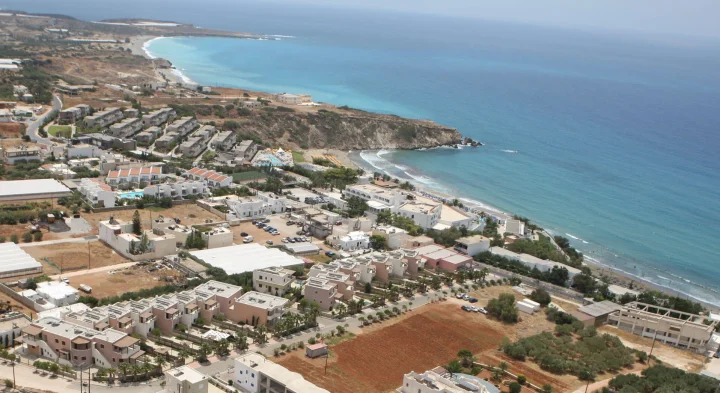
The entertainment options vary significantly by location and season. Coastal areas like Hersonissos and Malia offer high-energy beach clubs and late-night dancing, while historic towns such as Chania and Rethymno focus more on atmospheric wine bars, rooftop terraces, and cultural events. Traditional villages throughout the island provide authentic Greek experiences with folk music, local festivals, and family-run tavernas.
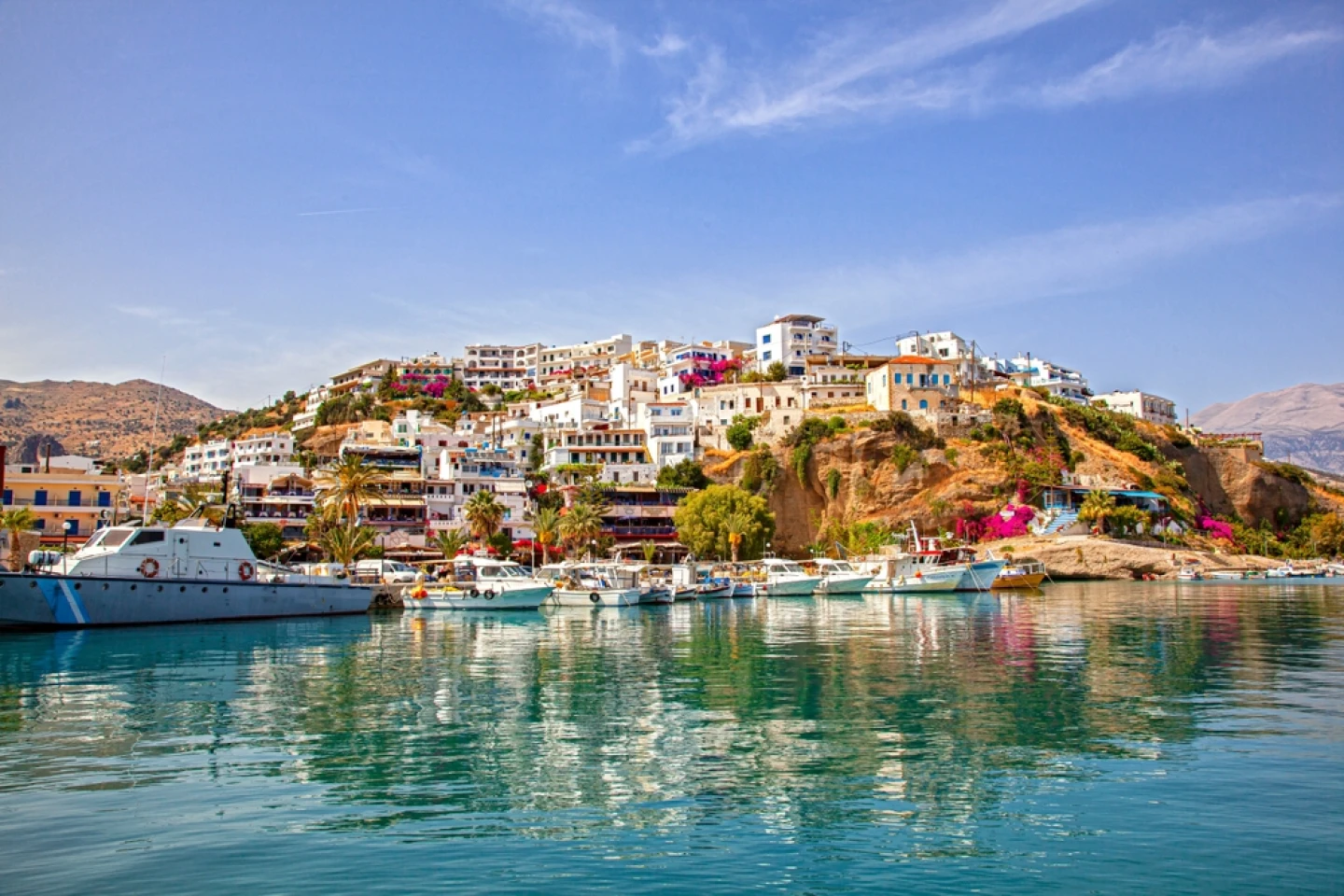
Crete’s entertainment scene also includes daytime activities that extend into evening socialising. Beach clubs often transform from relaxed day lounges to vibrant evening venues, whilst harbour-front restaurants become social hubs where visitors can enjoy fresh seafood and local wines whilst watching the sunset.
How does Crete compare to famous Greek party islands like Mykonos and Ios?
Crete offers a more balanced approach to nightlife compared to dedicated party islands like Mykonos and Ios. Whilst Mykonos focuses heavily on luxury beach clubs and international DJ sets, and Ios caters primarily to young backpackers seeking budget party experiences, Crete provides varied entertainment suitable for different demographics and budgets.
The party intensity on Crete is generally more moderate and localised. Mykonos maintains a constant party atmosphere throughout its main areas, whilst Crete’s nightlife concentrates in specific districts, leaving large portions of the island peaceful and family-friendly. The crowd types also differ significantly – Mykonos attracts international celebrities and luxury travellers, Ios draws young budget travellers, whilst Crete welcomes diverse age groups and travel styles.
Crete’s entertainment tends to blend traditional Greek culture with modern nightlife, offering experiences that party-focused islands often lack. Visitors can enjoy authentic local festivals, traditional music performances, and cultural events alongside contemporary bars and clubs. This cultural integration makes Crete’s nightlife more varied and educational than purely party-focused destinations.
Where are the best party areas and nightlife spots in Crete?
Hersonissos and Malia represent Crete’s primary party destinations, particularly popular with younger crowds seeking energetic nightlife. These areas feature numerous bars, nightclubs, and beach venues that stay open until dawn during peak season.
Hersonissos offers a mix of British-style pubs, cocktail bars, and dance clubs concentrated along its main strip. The area caters well to international visitors with English-speaking staff and familiar music. Malia, slightly more intense in its party atmosphere, attracts a younger demographic with budget-friendly drinks and high-energy venues.
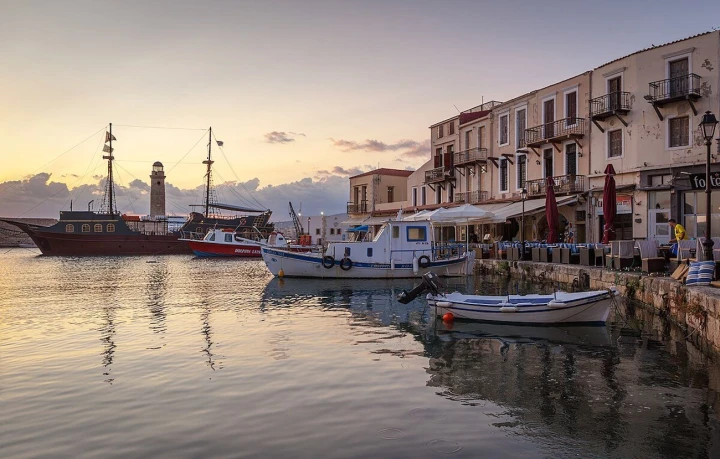
Chania and Rethymno provide more sophisticated nightlife experiences. Chania’s Venetian harbour area features elegant cocktail bars, wine venues, and restaurants with extended evening hours. Rethymno offers similar atmospheric dining and drinking options within its historic old town, creating a more refined entertainment experience.
Heraklion, as Crete’s largest city, provides diverse nightlife options including modern bars, traditional tavernas, and cultural venues. The city’s entertainment scene caters more to locals and offers authentic Greek nightlife experiences away from tourist-focused areas.
Is Crete suitable for both party seekers and those wanting a quieter holiday?
Crete excellently accommodates both party preferences and peaceful retreats due to its large size and diverse geographical areas. The island’s 260-kilometre length means party districts and quiet areas can coexist without interfering with each other.
Party seekers can concentrate their stay in northern coastal areas like Hersonissos, Malia, or parts of Chania, where nightlife venues, beach bars, and entertainment options are abundant. These areas provide easy access to multiple venues within walking distance and maintain active atmospheres throughout the evening.
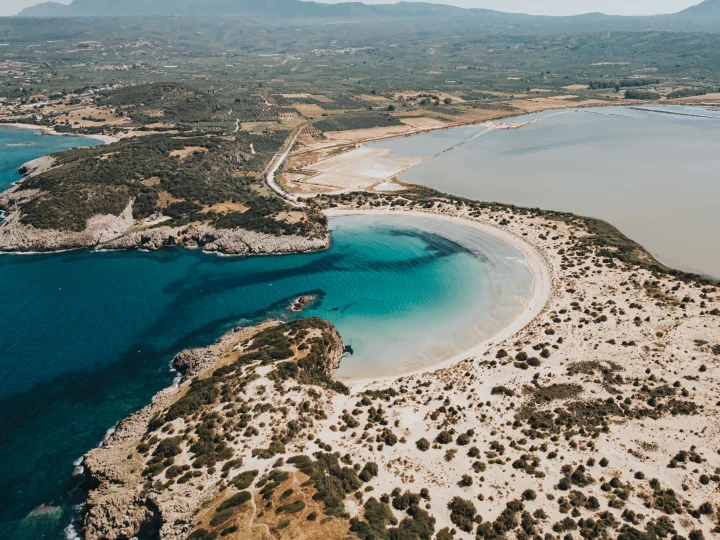
Those preferring quieter holidays can choose from numerous peaceful locations including southern coastal villages, mountain settlements, or secluded beach areas. Places like Paleochora, Loutro, or the Lasithi Plateau offer tranquil environments with minimal nightlife but stunning natural beauty and authentic local culture.
Many visitors successfully combine both experiences during their stay. The island’s good transport connections allow people to enjoy peaceful days in quiet areas and venture to livelier districts for evening entertainment when desired. For those considering property investment, understanding these diverse areas becomes crucial when buying a home in Greece.
What should you know about Crete’s party season and best times to visit?
Crete’s nightlife reaches peak activity during July and August when most venues operate at full capacity and entertainment options are most diverse. The party season typically runs from May through October, with shoulder months offering good nightlife but fewer venue choices.
June and September provide excellent balances between active nightlife and more manageable crowds. During these months, most bars and clubs operate regular schedules whilst accommodation and drink prices remain more reasonable than peak summer rates. Weather conditions also remain ideal for both beach activities and evening entertainment.
Winter months see significantly reduced nightlife options, particularly in tourist-focused areas like Hersonissos and Malia. Many seasonal venues close between November and April, though cities like Heraklion and Chania maintain year-round entertainment options catering primarily to local residents.
Timing your visit affects both the intensity of nightlife and the demographic of fellow visitors. Peak summer attracts more international party-seekers, whilst shoulder seasons offer opportunities to experience Crete’s nightlife alongside more local crowds, providing different cultural perspectives on Greek entertainment.
Whether you’re seeking vibrant Crete nightlife or peaceful coastal retreats, understanding the island’s diverse entertainment landscape helps ensure your Greek island experience matches your expectations. For personalised guidance on exploring Crete’s property market or investment opportunities in different areas of this versatile island, contact our experienced team who understand both the entertainment and residential aspects of Crete’s various regions.
Disclaimer: This content is for informational purposes only and does NOT constitute legal or tax advice. For any issues relating to specific cases, it is highly recommended to consult a lawyer, an accountant or a notary depending on your needs.