Choosing between Corfu and Crete depends on your priorities for a Greek island holiday. Corfu offers lush green landscapes, Venetian architecture, and easier accessibility from Europe, making it ideal for cultural enthusiasts and shorter breaks. Crete provides diverse terrain from mountains to pristine beaches, extensive archaeological sites, and better value for money, particularly for longer stays and property investment. Both islands excel in different areas, with transportation, costs, and travel style being key deciding factors.
What are the main differences between Corfu and Crete?
Corfu and Crete differ dramatically in size, geography, and character. Corfu spans 593 square kilometres in the Ionian Sea, featuring emerald landscapes, Venetian-influenced architecture, and a more intimate island feel. Crete covers 8,336 square kilometres as Greece’s largest island, offering diverse terrain from the White Mountains to vast beaches and serving as a complete Mediterranean destination.
The geographical distinctions shape each island’s appeal. Corfu’s position near Albania creates a unique cultural blend, with Italian, French, and British influences evident in its architecture and cuisine. The island’s compact size means you can explore most attractions on day trips, making it perfect for shorter holidays.
Crete’s vast expanse encompasses four distinct regions, each with unique characteristics. The north coast features cosmopolitan cities like Heraklion and Chania, while the south offers untouched beaches and traditional villages. This diversity means Crete can satisfy multiple holiday preferences within a single trip, from archaeological exploration to mountain hiking and beach relaxation.
Which island offers better beaches and natural beauty?
Both islands provide exceptional beaches, but with different characteristics. Corfu’s beaches feature dramatic cliffs, hidden coves, and crystal-clear Ionian waters, particularly stunning at Paleokastritsa and Glyfada. The island’s lush vegetation creates a tropical atmosphere unique among Greek islands.
Crete’s coastline spans 1,046 kilometres, offering everything from pink sand beaches like Elafonissi to the famous Balos Lagoon with its turquoise waters. The island’s southern coast provides more secluded options, while northern beaches offer better infrastructure and water sports facilities.
For natural diversity, Crete holds the advantage with its dramatic Samaria Gorge, Europe’s longest gorge, and the imposing White Mountains reaching 2,456 metres. Corfu’s appeal lies in its consistent green beauty and more accessible natural attractions, perfect for leisurely exploration without extensive hiking.
Water quality remains excellent on both islands, though Crete’s variety of beach types—from organised resort areas to completely wild stretches—provides more options for different preferences.
How do Corfu and Crete compare for cultural experiences and history?
Crete dominates in archaeological significance as the birthplace of European civilisation through the Minoan culture. The Palace of Knossos, dating back 4,000 years, is considered Europe’s oldest city, while numerous archaeological sites across the island showcase continuous habitation through various civilisations.
Corfu offers a different but equally compelling cultural experience through its UNESCO World Heritage Old Town, reflecting centuries of Venetian, French, and British rule. The island’s unique architecture, with its elegant arcades and neoclassical buildings, creates an atmosphere unlike anywhere else in Greece.
Both islands celebrate vibrant local traditions, but with distinct flavours. Corfu’s Easter celebrations blend Greek Orthodox traditions with Venetian influences, creating spectacular processions. Crete maintains stronger connections to traditional Greek culture, with authentic folk music, dance, and customs still practised in mountain villages.
Museums and cultural sites are more numerous on Crete due to its size and historical significance, while Corfu’s cultural attractions are more concentrated and easily accessible, making cultural exploration less time-intensive.
What’s the difference in cost of living and property prices between the islands?
Crete generally offers better value for accommodation, dining, and daily expenses compared to Corfu. Restaurant prices on Crete can be notably lower, particularly in traditional tavernas away from major tourist centres, while Corfu’s dining costs reflect its popularity with upmarket tourism.
Property investment presents interesting contrasts between the islands. Corfu’s proximity to Western Europe and established international community creates steady demand for holiday homes, particularly among British, German, and Italian buyers. The island’s compact size and developed infrastructure make property management more straightforward for overseas owners.
Crete’s property market offers more diverse opportunities, from seaside apartments to traditional stone houses in mountain villages. The island’s year-round liveability and growing digital nomad community support both holiday rentals and permanent residence investments. Property prices vary significantly by region, with Chania and Heraklion commanding premium prices, while rural areas offer exceptional value.
Both islands benefit from Greece’s Golden Visa programme for property investors, though the investment threshold varies by location. Transfer taxes remain consistent at 3.09% across both destinations, with individual tax liability applying to co-ownership arrangements. For those considering property investments on either island, our properties list provides comprehensive options tailored to different budgets and preferences.
Which island is better for different types of travelers?
Families often prefer Corfu for its manageable size, excellent beaches with calm waters, and shorter travel times between attractions. The island’s established tourism infrastructure provides reliable services, while its cultural sites offer educational value without overwhelming young visitors.
Adventure seekers and hiking enthusiasts find Crete more rewarding with its dramatic gorges, mountain trails, and diverse outdoor activities. The island’s size allows for genuine exploration and discovery, appealing to travellers seeking authentic experiences beyond typical tourist routes.
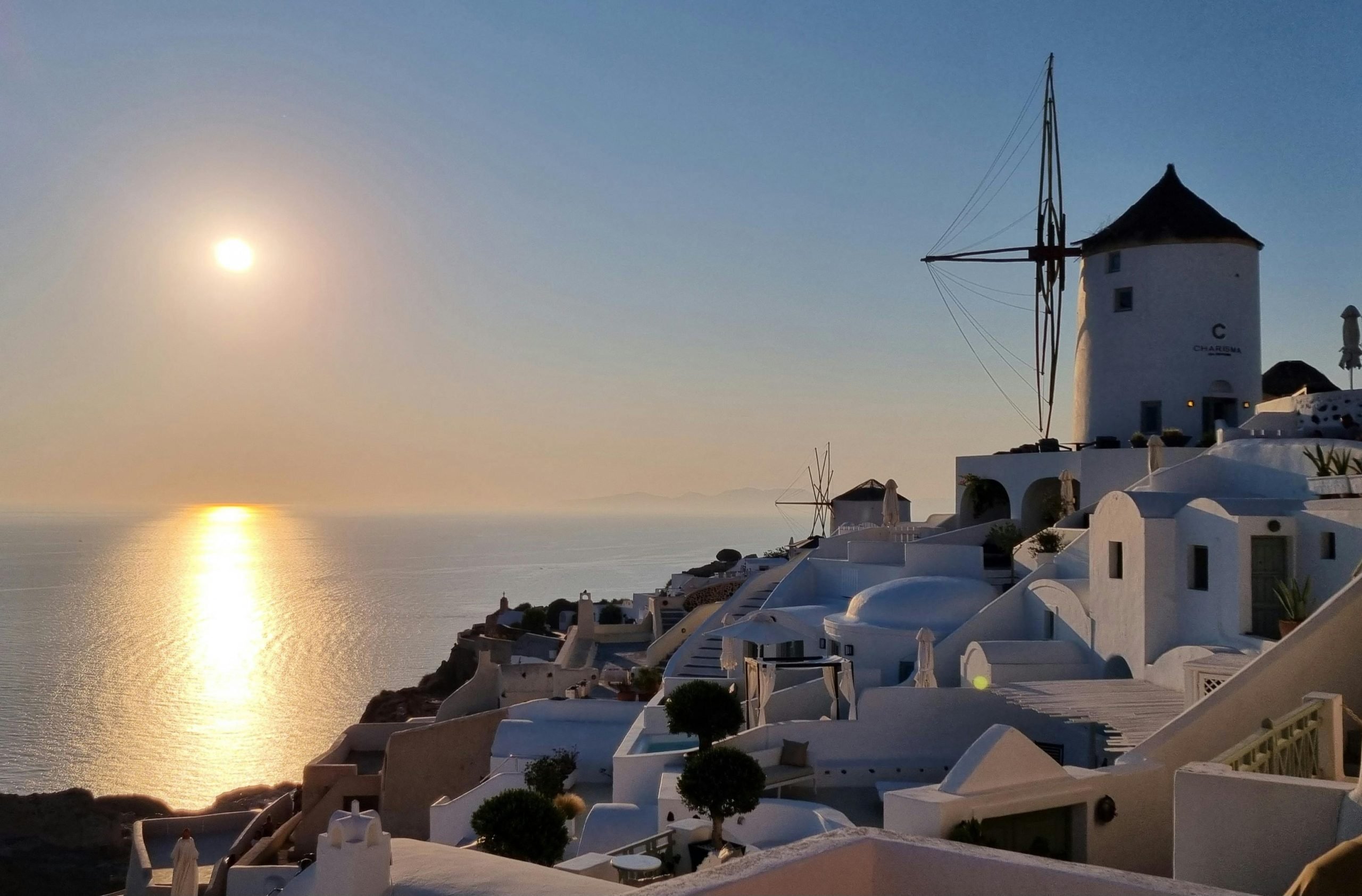
Couples seeking romantic getaways appreciate Corfu’s intimate atmosphere, particularly in shoulder seasons when the island feels more exclusive. The Venetian architecture and sunset views from clifftop locations create naturally romantic settings.
Cultural enthusiasts face a pleasant dilemma, as both islands excel differently. History buffs gravitate towards Crete for its archaeological treasures, while architecture and art lovers often prefer Corfu’s unique blend of influences and preserved medieval character.
Budget-conscious travellers typically find better value on Crete, especially for longer stays, while those prioritising convenience and shorter holidays often choose Corfu for its accessibility and compact attractions.
How do transportation and accessibility compare between Corfu and Crete?
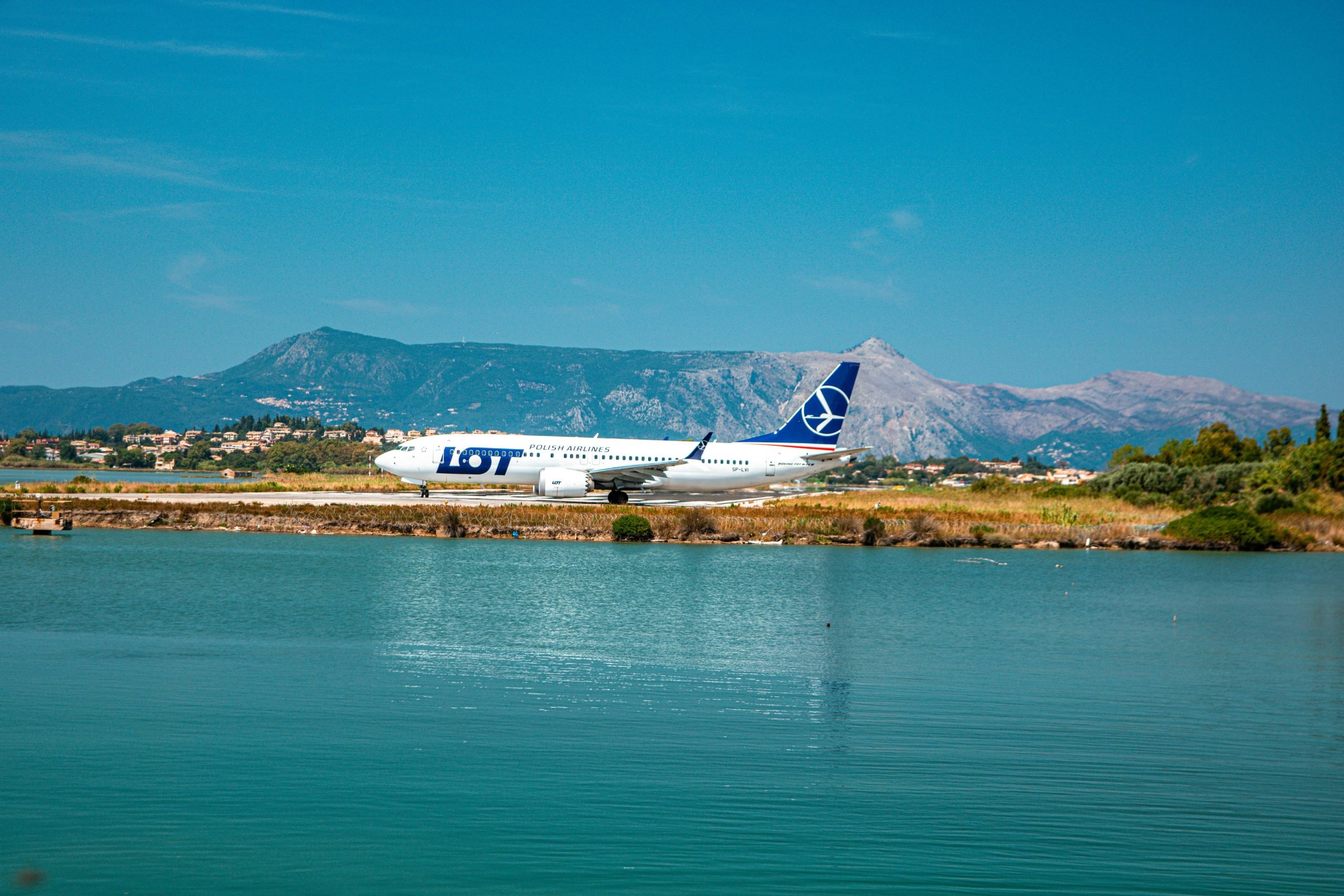
Corfu enjoys superior accessibility from Northern Europe with numerous direct flights from major cities, particularly during summer months. The island’s single airport handles the entire territory efficiently, while ferry connections to Italy provide alternative access routes for those combining Greek islands with broader European travel.
Crete operates three airports—Heraklion, Chania, and Sitia—offering more flight options but requiring careful planning to match arrival airports with accommodation locations. International flights primarily serve Heraklion and Chania, while domestic connections include Sitia for eastern Crete access.
Local transportation favours Corfu’s compact geography, where buses connect major destinations reliably and car rentals provide easy island exploration within day trips. The excellent road network makes independent travel straightforward even for first-time visitors.
Crete’s extensive road network requires more planning, particularly for exploring multiple regions. The northern coastal highway provides excellent connections between major cities, while mountain roads to southern beaches demand more driving time and experience with winding routes.
Ferry connections differ significantly, with Corfu offering convenient links to Italy and the Ionian islands, while Crete serves as a hub for Cycladic and Dodecanese island hopping, making it better for extended Greek island exploration.
Both destinations reward visitors with unique advantages, from Corfu’s intimate charm and accessibility to Crete’s vast diversity and authentic Greek character. Your choice ultimately depends on travel style, time available, and personal priorities for the perfect Greek island holiday. For those interested in purchasing property on either island, our comprehensive property purchase assistance ensures a smooth investment process. For detailed guidance on property opportunities or legal requirements for either island, we encourage you to contact our experienced team.
Disclaimer: This content is for informational purposes only and does NOT constitute legal or tax advice. For any issues relating to specific cases, it is highly recommended that you consult a lawyer, an accountant, or a notary, depending on your needs.