You can get a good feel for one or two areas in a long weekend. To take in the variety, the history inland, the beaches in the south, the medieval towns, you'll want closer to a week. If you're also looking at property, build in extra time. Viewing homes properly takes longer than sightseeing. Here's how the region breaks down, and how much time each part deserves.
The Main Regions
The Peloponnese has a few distinct areas, each with its own character.
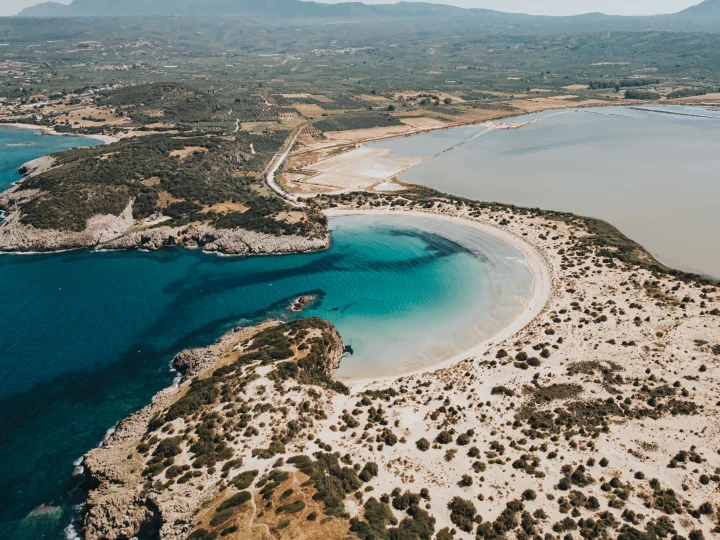
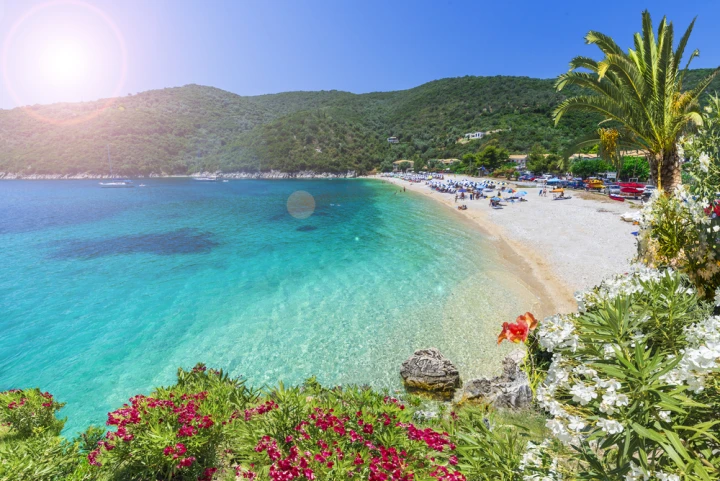
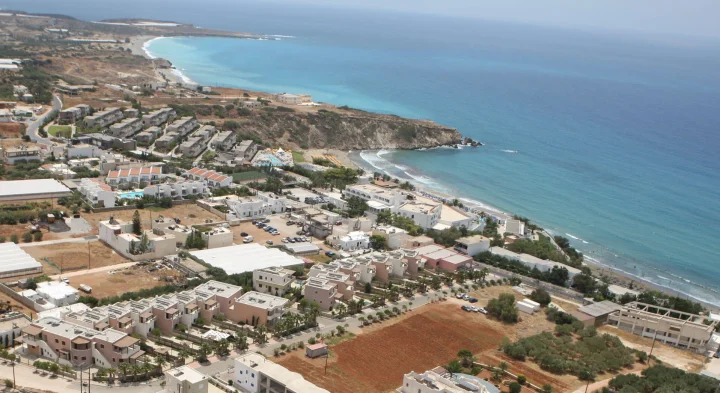
Messinia, in the southwest, is known for its beaches and its growing appeal to buyers. Kalamata is the regional capital, with good infrastructure and its own airport. The Costa Navarino area nearby has become a well-known resort destination.
Laconia, in the southeast, takes in Sparta and the medieval town of Monemvasia. It tends to be more affordable than the prime coastal spots, and it has a strong sense of history.
Argolis, in the northeast, is home to Nafplio and a cluster of major archaeological sites. It's the closest of these areas to Athens, which makes it popular for weekend trips.
Achaia, in the north, centres on Patras. Its ferry links to Italy and good road connections make it a practical base for getting in and out of the region.
How Long to Spend in Each Place
These are rough guides. Adjust them to what you enjoy, and add time if you're viewing property.
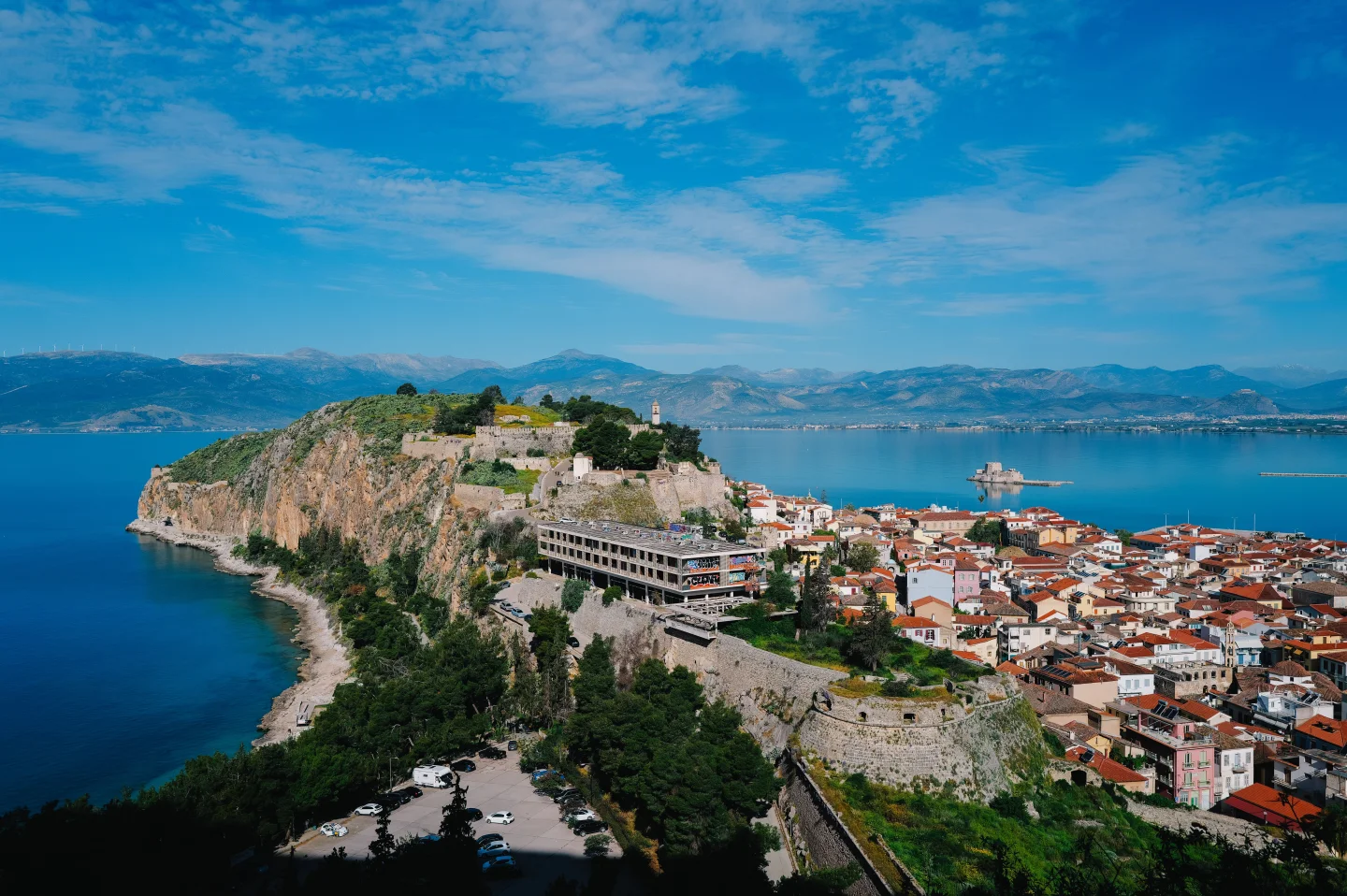
Nafplio: 2 to 3 days. One of Greece's prettiest towns, and an easy base for the northeast. The old town is full of restored neoclassical buildings, and there's plenty nearby.
Kalamata and Messinia: 3 to 4 days. The southwest rewards a longer stay. Kalamata itself, the coastline, and the villages of the Mani all sit within reach.
Olympia: 1 to 2 days. Worth it for the ancient site, the birthplace of the Olympic Games. A calm, green corner of the region.
Monemvasia: 1 to 2 days. A medieval town built into a rock, joined to the mainland by a causeway. Striking, and unlike anywhere else in Greece.
Smaller coastal towns like Gythio, Pylos, and Methoni each make a good day or overnight stop, with a slower pace and quieter beaches.
A Simple 7-Day Route
This loop takes in the highlights and gives you a sense of the different areas.
Days 1 to 2: Nafplio. Settle in and explore the old town and the northeast. An easy start, close to Athens.
Day 3: Epidaurus and the coast. See the ancient theatre, famous for its acoustics, then follow the coast south.
Days 4 to 5: Kalamata and Messinia. Move west to the southwest coast. Good beaches, good food, and the Mani within reach.
Day 6: Monemvasia. A day for the medieval town and its dramatic setting.
Day 7: Gythio and the Mani. Finish in the Mani, known for its stone tower houses and quiet coastline.
If property is part of the trip, this same route works well. You can look at different areas and compare what your budget buys in each.
Why Buyers Are Drawn to the Peloponnese
A few things make the region stand out: It's easy to reach. Kalamata International Airport has direct flights from many European cities, mostly in the warmer months, and Athens is a comfortable drive away on modern motorways. It tends to offer good value. The Peloponnese is one of Greece's more competitively priced regions, which can mean more space or a better spot for your budget than on the busier islands. And it stays authentic. Beyond the well-known names, much of the region is still rural and traditional, which is a large part of the appeal.
What to Think About Before Buying
A few practical points matter more here than the sightseeing: Due diligence is essential. Greek purchases involve careful checks on the title, planning permissions, and any outstanding obligations on the property. This is detailed work, and it's worth having people who do it properly. Property types vary widely, from modern coastal homes to old stone houses that need restoration. Each comes with different costs and considerations, so it helps to be clear on what you're taking on. Tax and ongoing costs are worth understanding early. The taxes on purchase, and the annual costs of owning, affect the real picture. A short conversation with the right adviser at the start saves surprises later. The rules and investment levels have changed in recent years and depend on the property, so this is something to check against the current rules for any specific home.
How We Help
That's our area of expertise since 1991. Our in-house legal team handles the due diligence, contracts, and paperwork, and explains each step in plain terms. Our aim is always the same: you should understand a property fully before you travel to see it. The visit confirms what you already know.
In Short
Give yourself about a week to see the Peloponnese properly. That's enough to take in the beaches, the history, and the variety, with room to slow down. If you're house-hunting too, add a few days, and let someone who knows the region help you make the most of them.
Disclaimer: This content is for informational purposes only and does not constitute legal or tax advice. For any issues relating to specific cases, we recommend consulting a lawyer, an accountant, or a notary depending on your needs.