03.09.2026
Buying an Off-Plan House in Greece from Abroad Explained
“How can I buy a house in Greece that is not built yet from abroad?”
That’s a very common question we receive from clients interested in buying an off-plan house.

Purchase Tips
10.07.2025
Buying a home is always a big decision, especially when you’re purchasing in a country with unfamiliar regulations, building standards, and customs. For many international buyers interested in Greek real estate, one common scenario is choosing properties that are offered off-plan or still under construction. This raises lots of questions: How does the construction process work in Greece? Why do so many houses look unfinished? And what should buyers know when considering a home that isn’t yet complete?
To shed light on these topics, a civil engineer walked us through the stages of home construction in the country and the reasons behind some of its most unique characteristics.
The first step in construction is excavation. This means preparing the land and digging the foundation trenches, which lay the groundwork for everything to come. Then comes what Greeks commonly refer to as the “μπετόν καθαριότητας”, the blinding concrete, which is a thin, clean layer of concrete placed over the ground before the main foundation concrete is poured. This is followed by the reinforced concrete foundations and the concrete skeleton. This is the structural frame of the home: The columns, beams, and floors.
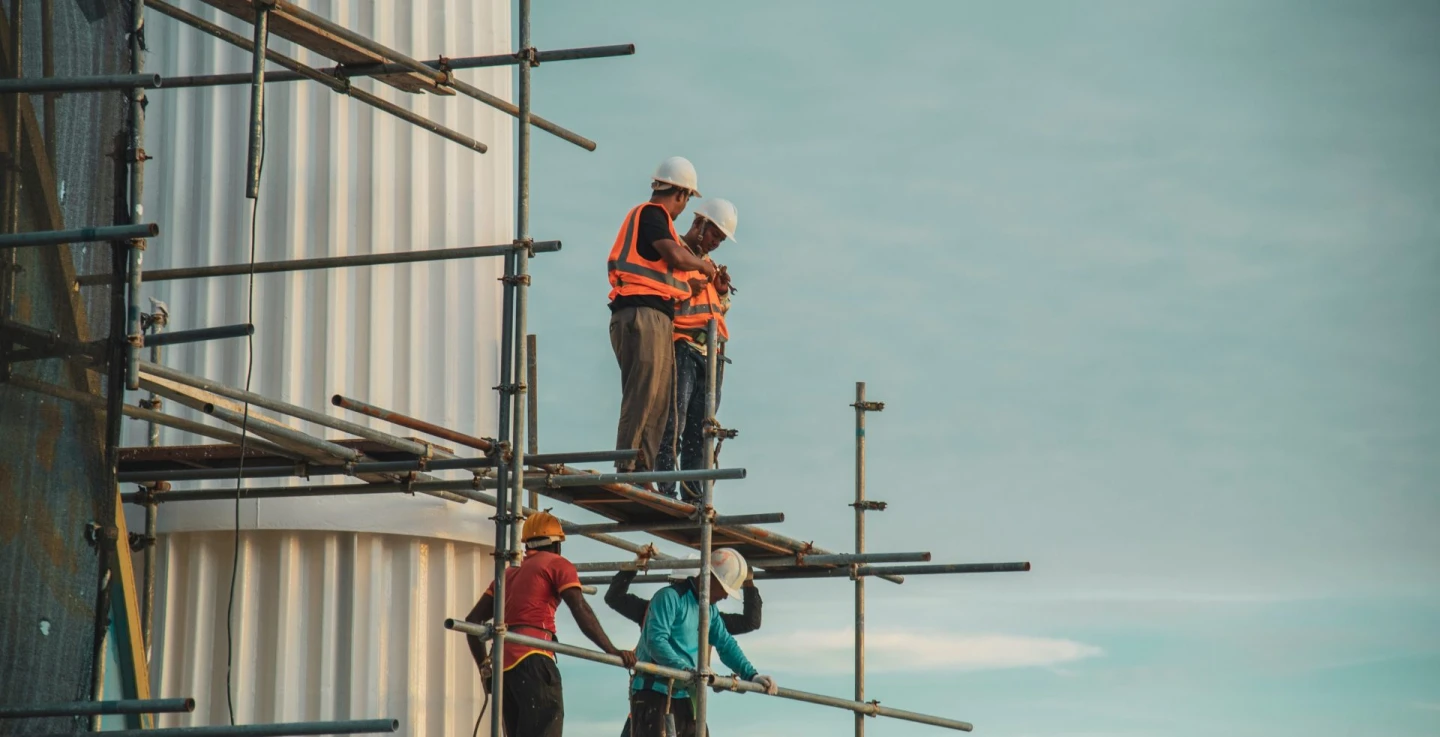
Once the concrete has set, the builders start adding the walls. Brick or block walls are added, dividing the space into rooms and giving the house its recognisable shape. Once the walls are up, the internal infrastructure is installed: plumbing, electrical wiring, heating, and insulation. This is then followed by plasterwork, which is usually applied in three layers. Then follow the roof, windows, doors, and flooring. Finally, interior finishes with tiling, painting, and fixtures so that the house is completed.
While the process may sound familiar to those used to construction in other countries, there are cultural elements that make Greek buildings stand out – literally.
One of the most frequently asked questions by foreign buyers is: “Why do some Greek houses have metal rods sticking out of the roof?”
These steel bars, often visible in unfinished buildings, are called anamonés (provisions). Contrary to popular belief, they are not a sign of tax evasion. Instead, they reflect a deeply rooted tradition: leaving the structure open for potential future expansion. In many Greek families, it was common to plan for a second or third floor to be added when a child grew up and needed their own space. By leaving the structural “skeleton” open, it was easier –and cheaper– to continue building later.
A common myth that needs debunking is the following: “People intentionally leave their homes unfinished to avoid paying taxes”. While it is true that an incomplete building is taxed at a lower rate, for example, it incurs less ENFIA (property tax) and reduced municipal charges, the main reason many homes remain in this state is financial. Simply put, the owners may not yet have the funds to finish the work.
An unfinished home indeed has a lower taxable value and fewer associated costs, but it also has a lower market value. It's not a trick to pay less, but a reflection of economic constraints and long-term planning.
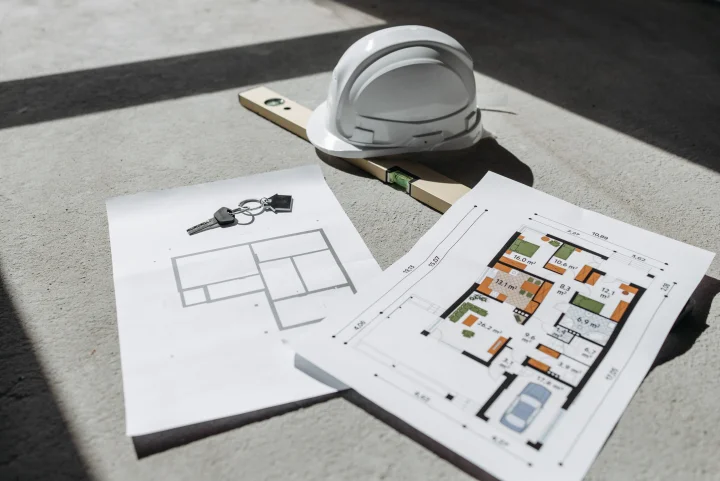
For companies like Elxis - At Home in Greece, which work closely with international buyers, knowing the construction process is about more than technical knowledge; it is about building trust. Buyers who ask questions like: “What insulation is used?” or “Is this wall load-bearing?” deserve informed answers, even if the home is still a blueprint on a table.
When sales teams understand the basic stages of construction, from excavation to finishing touches, they can reassure buyers, reduce uncertainty, and create a more transparent relationship.
Buying a property abroad comes with big expectations and bigger questions. In Greece, where construction methods and cultural norms can differ greatly from those in other countries, having the right guidance is essential.
Understanding how homes are built, why some remain half-finished, and what certain building features mean isn’t just useful for contractors; it’s equally important for agents, legal advisors, and buyers themselves.
At the end of the day, a home is more than walls and a roof. It’s a place for dreams, memories, and future plans. And when you understand its foundations, literally and figuratively, you can move forward with confidence.
03.09.2026
“How can I buy a house in Greece that is not built yet from abroad?”
That’s a very common question we receive from clients interested in buying an off-plan house.
28.08.2026
A power of attorney represents a crucial legal tool for international property buyers and sellers. This legal document grants another person the authority to act on your behalf in property transactions, eliminating the need for personal presence during the sale process. Whether you're a German retiree buying a holiday home in Crete or a Dutch family looking to sell your property in Corfu, a power of attorney allows you to complete a property sale whilst remaining in your home country.
10.08.2026
For many people, the idea of owning a home in Greece starts with a feeling. The sunny days, the sea, a slower pace of life. What often follows is a more practical question: “How does buying a house here actually work?”
For this very reason, we created the following guide so that you can have a clear overview of how the process of buying a house in Greece works.
07.08.2026
Buying a home in Greece from abroad raises a fair question. Can the paperwork be handled with a digital signature, so you never have to fly in to sign in person? For some documents, the answer is yes. For the ones that actually transfer ownership, it is not. A Greek purchase deed is signed before a notary, and that step cannot be done digitally. Therefore, digital signatures are accepted in Greece for private documents, such as certain agreements and declarations. They are not accepted for public documents. That includes the notarial purchase deed and the power of attorney. You cannot become the owner of a Greek property by signing a document digitally. The transfer is always completed before a notary, either with you present or through a power of attorney that was signed in person.
03.08.2026
If you plan to buy a home in Greece, you have probably given some thought to how you will pay for it. Depending on your home country, a mortgage may be one option. Getting a mortgage in Greece as a non-resident is not always straightforward, so it helps to understand how the process works before you begin. The general process is broadly similar from bank to bank, though the details differ and can change from year to year. Rates depend on the bank you approach and on your own profile. As a rule, non-resident buyers pay a little more than residents. The sections below walk through what to expect. You do not need to be a Greek resident to apply for a mortgage. Most Greek banks do apply stricter rules to people living abroad. For some banks, though not all, you will need to be a Greek taxpayer, meaning your tax residency must be in Greece to be eligible for a loan.
22.06.2026
Every home in Greece is now meant to have its own digital file. It is called the Electronic Building Identity, or E-ID (Ηλεκτρονική Ταυτότητα Κτιρίου). The Electronic Building Identity gathers the key facts about a property in one secure online record. It sets out the building's current condition, its permits and plans, and any changes made to it over the years. For anyone buying or selling a home in Greece, it has become one of the most important documents to understand. This guide explains what the E-ID is, what it contains, who prepares it, and why it matters at the moment a property changes hands.
10.06.2026
If you own a property in Greece and are thinking about selling, one of the first things on your mind is probably a practical one: what do I pay to the estate agent? It's a sensible question to ask early, and the answer shapes how you budget for the sale and what you can expect from the agency representing you.
10.06.2026
If you have bought or sold property in the Netherlands, Germany, the UK, or most other Western European countries, you are probably used to a clear setup: the seller has their agent, the buyer has theirs, and each represents their respective client. In Greece, things work differently, and it is very important to have a clear overview before you decide to move forward with a property transaction.
.jpg)