Greek wedding traditions are famous around the world for their music, energy, and unforgettable celebrations. Many Greek wedding traditions come from Greek Orthodox customs and local regional practices, and they create a wedding day that feels both sacred and unforgettable.
If you’ve ever attended a Greek wedding (or watched one in a film), you may have noticed rituals that seem unusual at first. Crowns, candles, shared wine, or even money placed inside the bride’s shoes. Here’s what they mean, explained simply.
Before the Ceremony: Traditional Greek Wedding Customs
In many parts of Greece, wedding celebrations start before the actual day. Family and friends gather in the couple’s home, food is prepared, and the atmosphere feels more like a festival than a formal event.
A well-known tradition involves the bride’s shoes. The groom’s friends (often led by the best man) “help” the bride put her shoes on, but she pretends they don’t fit. The solution? They place money inside until she agrees they fit. It’s playful, but it also symbolises good luck and prosperity for the couple.
Another pre-ceremony tradition is writing the names of unmarried friends on the soles of the bride’s shoes. The names that fade by the end of the day are said to belong to the next friends to get married.
The koumbaros: more than a best man
In Greek weddings, the koumbaros (best man) or koumbara (maid of honour) is not just a witness. This person is a key figure in the ceremony and often becomes the future godparent of the couple’s children.
Traditionally, the koumbaros may help the groom get ready (even shaving him in some regions) and plays an active role during the ceremony by assisting with key moments, like exchanging rings or crowns.
Inside the church: sacred symbols and powerful meaning
The Greek Orthodox ceremony is rich in symbolism.
Stefana (wedding crowns)
One of the most iconic Greek wedding traditions is the crowning with stefana, two delicate crowns joined by ribbon. The priest places them on the couple’s heads, and they are exchanged three times. The crowns symbolise unity, honour, and the shared journey of marriage.
Lambathes (wedding candles)
The couple also holds tall candles called lambathes, representing spiritual light and the presence of faith in their new life together.
The common cup
Another key moment is when the couple drinks wine from a common cup, symbolising that from now on, they share everything—joy, challenges, responsibilities, and life itself.
The ceremonial walk
During the “Dance of Isaiah,” the couple walks around the altar three times, led by the priest. This is not a party dance, it’s a ceremonial walk that symbolises their first steps together as a married couple.
After the ceremony: sweet wishes and celebration
A classic wedding favour is koufeta, sugar-coated almonds given to guests. They are usually offered in odd numbers, symbolising fertility, strength, and a bond that can’t be divided.
Then comes the reception: music, food, and dancing that can last for hours. Depending on the region, you may hear local instruments and see traditions unique to the area, because Greek weddings can vary widely across islands and mainland communities.

Popular Wedding Destinations in Greece
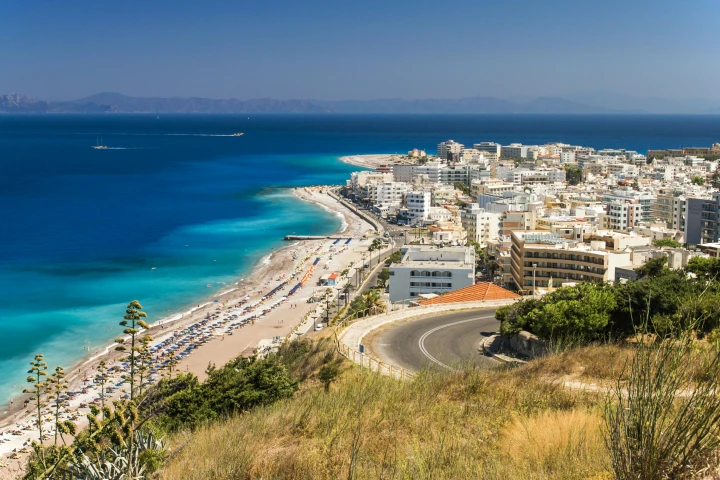
Today, these traditions don’t only shape local weddings, they also inspire thousands of couples who travel to Greece specifically to get married. While traditional Greek weddings take place across the country, certain locations have become international wedding hotspots, attracting both Greek couples and thousands of foreign couples every year.
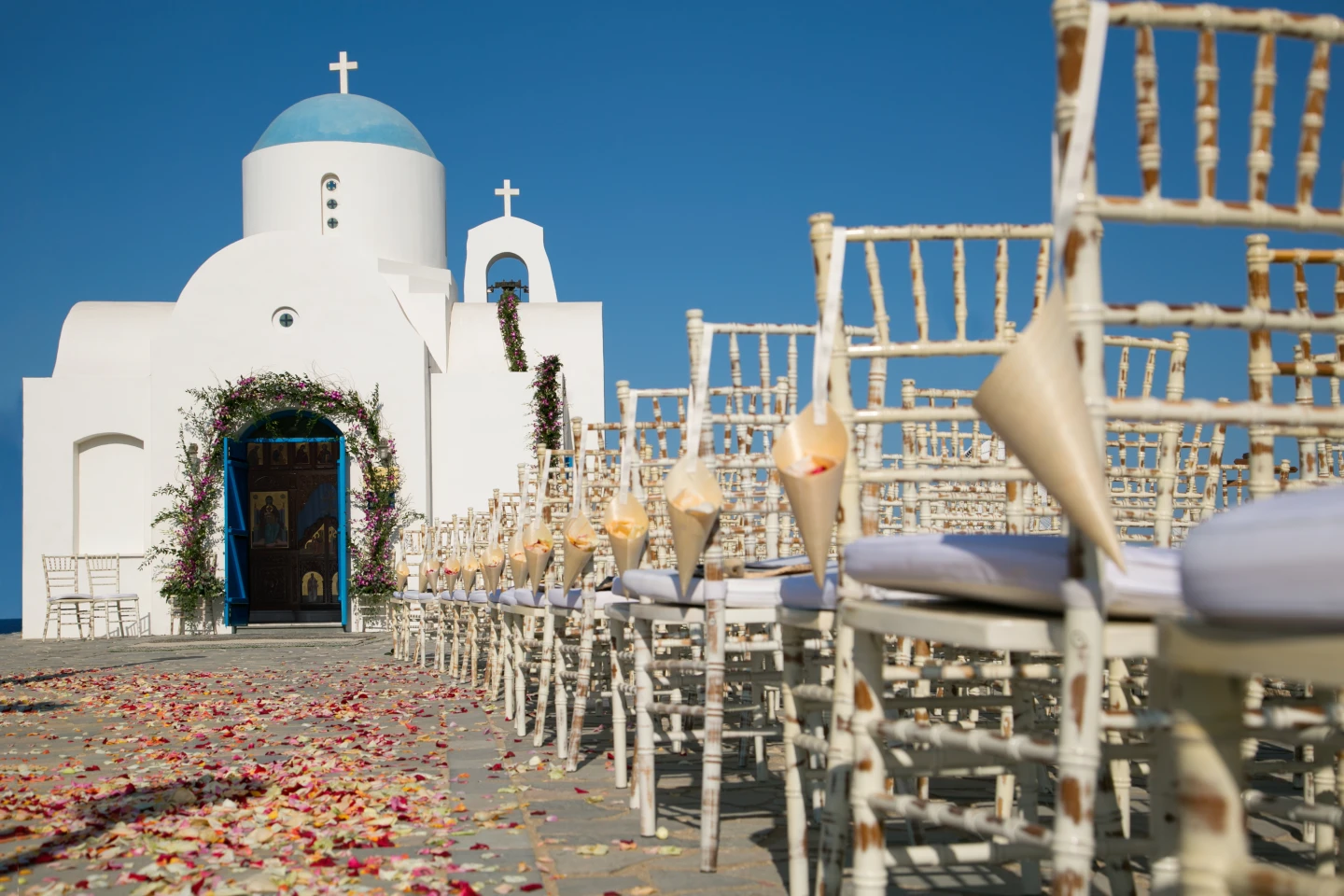
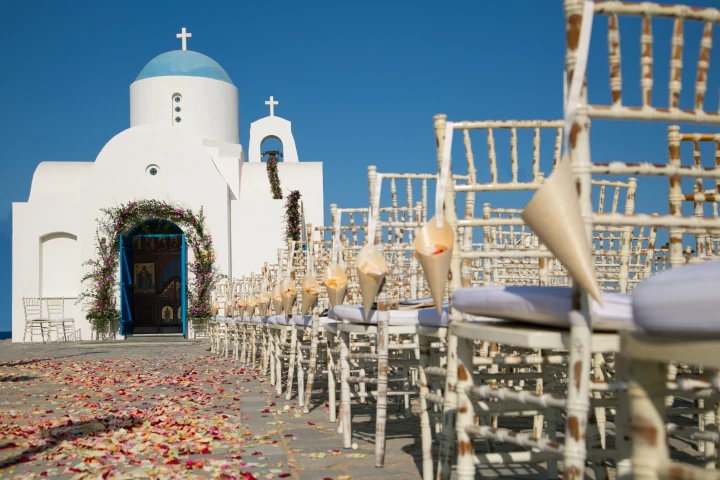
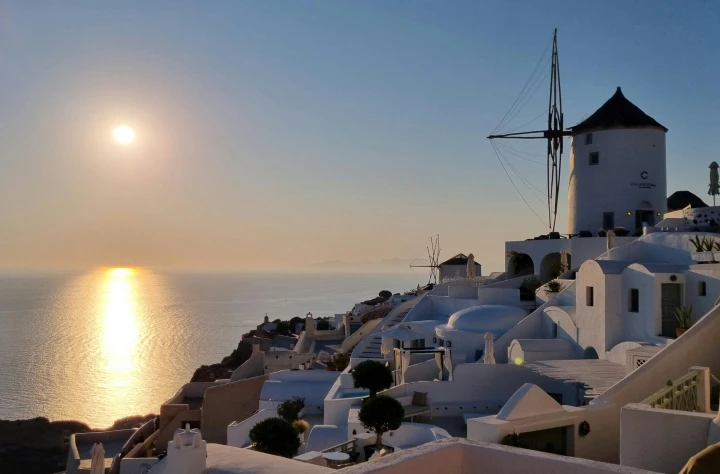
Santorini is without doubt one of the most famous wedding destinations in the world. Its dramatic caldera views, sunset ceremonies, and iconic white chapels make it a top choice for couples travelling from Europe, the United States, and Asia to get married in Greece. Every year, Santorini hosts a high number of destination weddings, ranging from intimate elopements to luxury celebrations.
Another highly popular location is Mykonos, known for combining stylish venues, beachside ceremonies, and vibrant celebrations. Mykonos attracts couples looking for a more modern, cosmopolitan wedding experience, often followed by multi-day celebrations with friends and family.
On the mainland, the Athenian Riviera has also emerged as a key wedding destination. With its easy access, luxury resorts, and sea-view venues close to Athens, it appeals to both Greek couples and international visitors seeking an elegant setting without travelling to an island.
Beyond its popularity as a destination wedding location, Crete is also deeply connected to some of Greece’s most vibrant and authentic wedding traditions. Traditional Cretan weddings are known for their strong sense of community, live Cretan music, and multi-day celebrations that often involve entire villages. Local instruments such as the Cretan lyra and laouto set the rhythm for the festivities, while traditional dances and songs accompany the couple from the pre-wedding preparations through to the reception.
Why these traditions still matter
Modern Greek weddings may use DJs instead of live musicians, and destination weddings may look more international, but many couples still include these rituals because they create meaning and connection. Greek weddings aren’t just celebrations; they’re a mix of family, faith, and history kept alive through tradition.