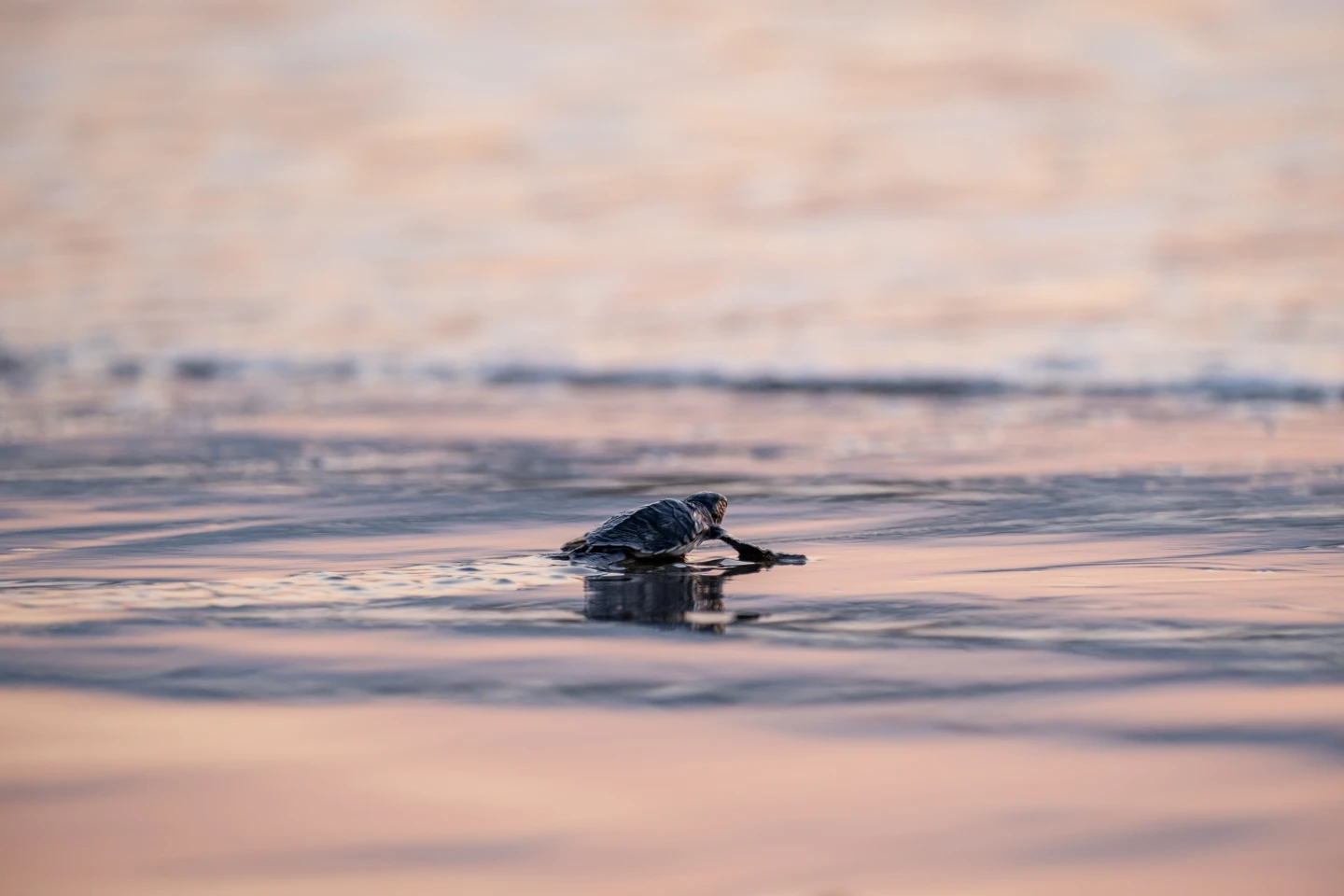
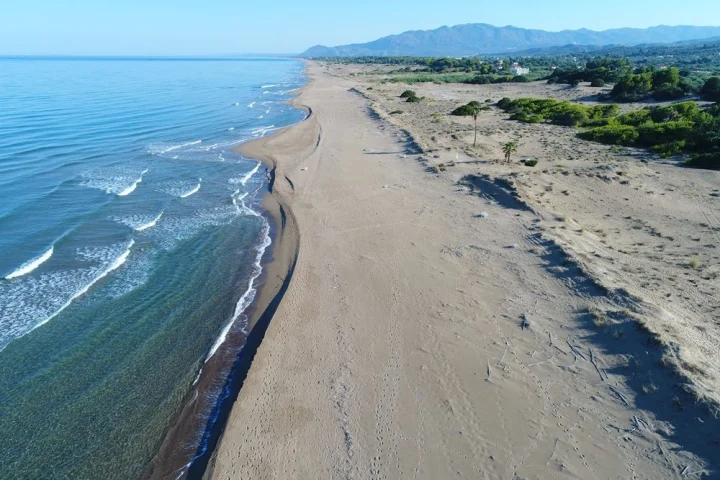
Along Greece’s serene western coast, something remarkable has unfolded this year. Kyparissia Bay, a long stretch of golden sand in the Peloponnese, has recorded one of the most successful Caretta Caretta (loggerhead sea turtle) nesting seasons in decades; a milestone for both wildlife conservation and Greece’s natural heritage.
According to the Sea Turtle Protection Society of Greece (ARCHELON), more than 6,100 nests were documented in 2025, marking a 74% increase compared to the 12-year average. That’s not only a local success but a European one: together with Zakynthos’ Laganas Bay, Kyparissia now hosts over 57% of all Caretta Caretta nests in the European Union.
This makes Kyparissia Bay the most important sea turtle nesting area in the Mediterranean, a quiet, natural paradise that’s playing a leading role in preserving one of the world’s oldest marine species.
Decades of Protection Paying Off
The impressive numbers are no coincidence. For more than 30 years, ARCHELON’s volunteers and researchers have been protecting the nesting sites in Kyparissia Bay, ensuring hatchlings reach the sea safely.
In 2025, the program mobilised 90 volunteers and field researchers, including 27 university students, who worked day and night from May through September. Together, they monitored beaches, collected data, and educated both locals and tourists about the importance of protecting coastal habitats.
Over 5,800 residents and visitors also participated in awareness activities, including guided beach walks, school talks, and clean-up efforts. Under the EU-funded LIFE MareNatura project, ARCHELON also attached satellite transmitters to adult turtles, gathering valuable data on their migratory routes and feeding grounds.
This long-term collaboration among science, volunteers, and the community shows how sustainable tourism and environmental protection can go hand in hand; a model that aligns perfectly with Greece’s growing focus on green development.
The organisation is calling for the immediate implementation of Greece’s National Action Plan for the Caretta caretta and stronger institutional protection for the Kyparissia Bay Nature Protection Area.
“The recovery of the Caretta caretta population is a national achievement,” ARCHELON notes, “but it’s a fragile one that depends on ongoing protection, funding, and responsible coastal management.”
What about Kyparissia Bay?
Beyond its ecological importance, Kyparissia Bay is one of the most breathtaking destinations in the Peloponnese, a region known for its authenticity, olive groves, and slow-paced lifestyle.
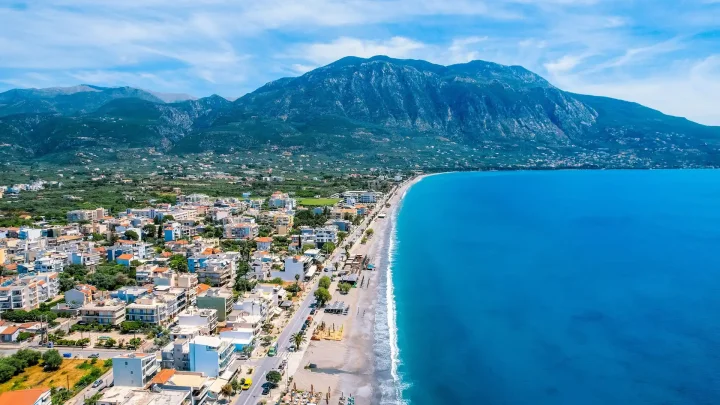
Visitors are drawn here for its endless beaches, crystal waters, and peaceful atmosphere, far from the crowded islands. Small towns like Kyparissia, Kalo Nero, and Filiatra offer traditional Greek charm, while nearby Ancient Olympia and Kalamata make perfect day trips.
In many ways, Kyparissia reflects the heart of modern Greece, a place where nature, heritage, and community coexist. The Peloponnese is one of Greece’s most diverse and captivating regions and its growing international appeal is evident from recent figures.
Greece’s Broader Commitment to Wildlife Protection
Beyond the Caretta caretta, Greece is home to a rich variety of protected species — from the Monk Seal (Monachus monachus) in the Aegean to the Dalmatian Pelican of Lake Kerkini and rare birds across its wetlands and mountains.
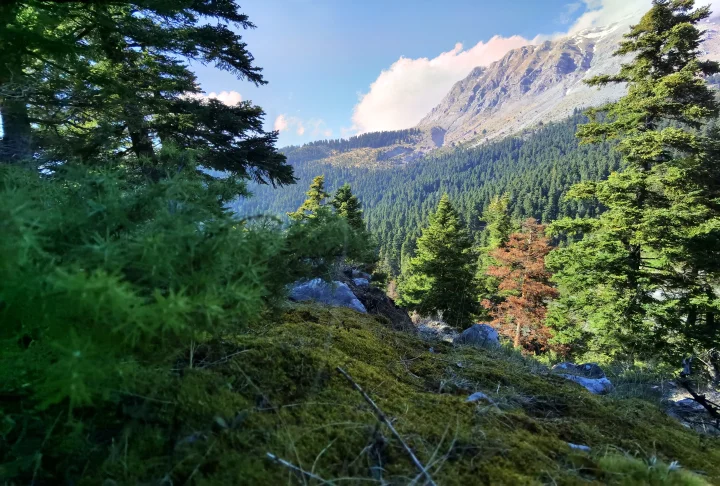
The country’s diverse ecosystems, ranging from alpine forests to coastal lagoons, make it one of Europe’s most biodiverse regions. Many of these habitats are safeguarded under the Natura 2000 network, reflecting Greece’s ongoing efforts to preserve its natural heritage while promoting sustainable tourism. For instance, Nisyros island recently became Greece’s UNESCO Geopark, as you can see here.