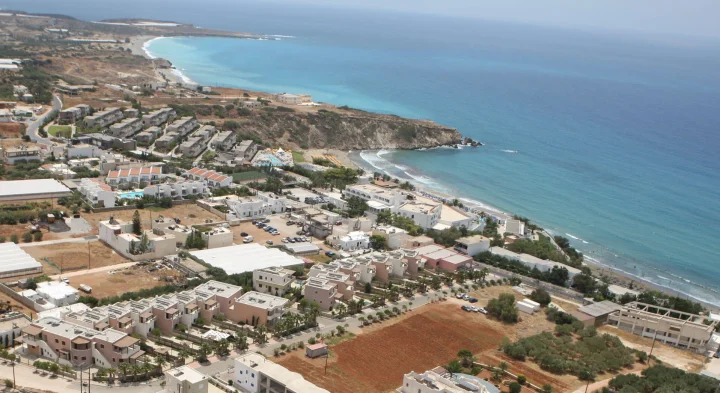
The Beaches Worth Knowing
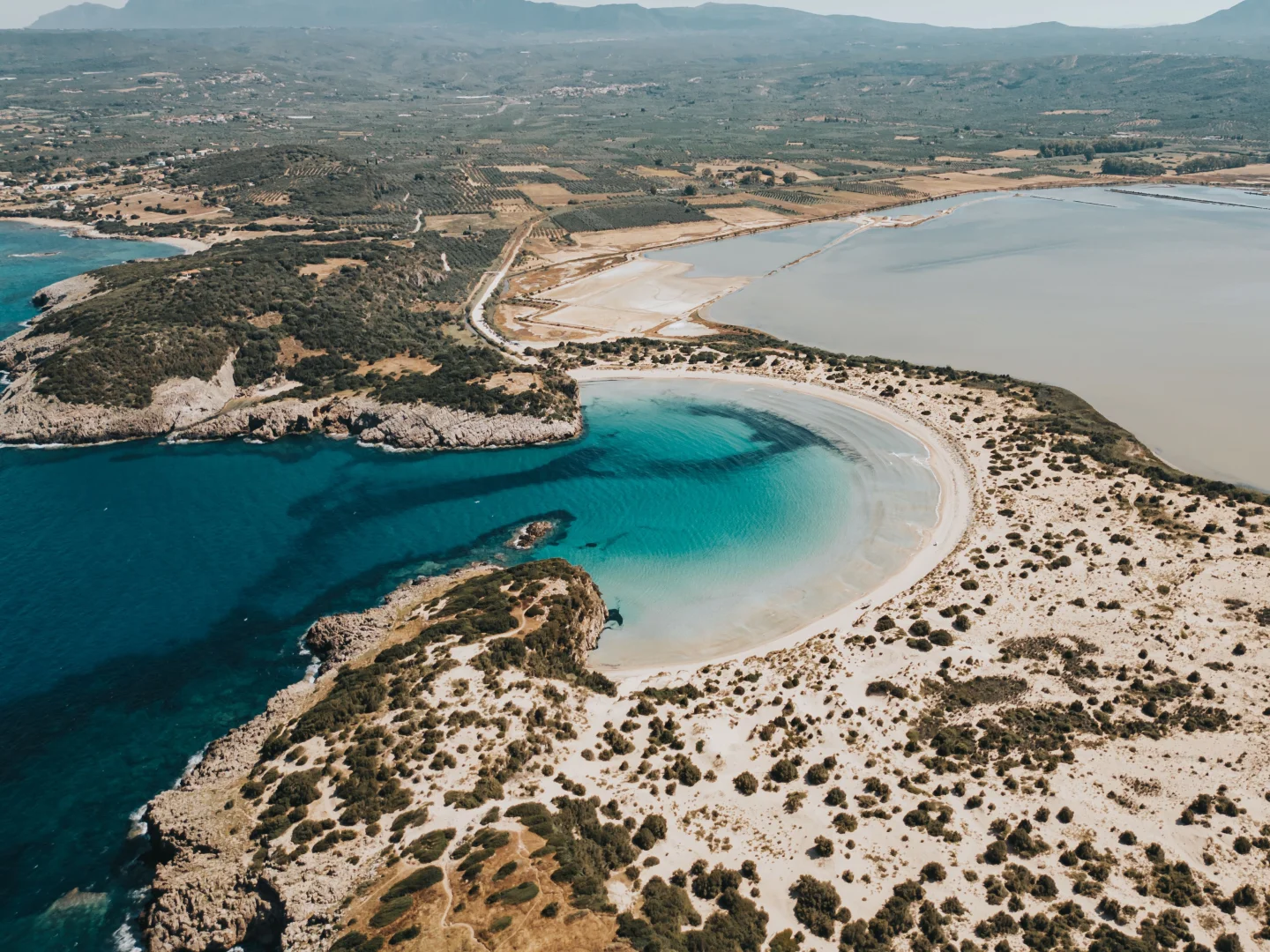
Voidokilia, near Pylos in the southwest, is the famous one. It's a near-perfect crescent of golden sand, backed by dunes and the protected Gialova Lagoon. It stays largely undeveloped, which is a big part of its charm.
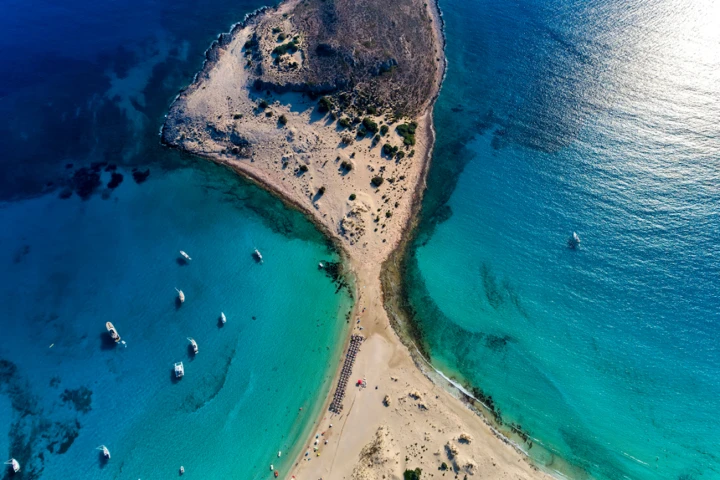
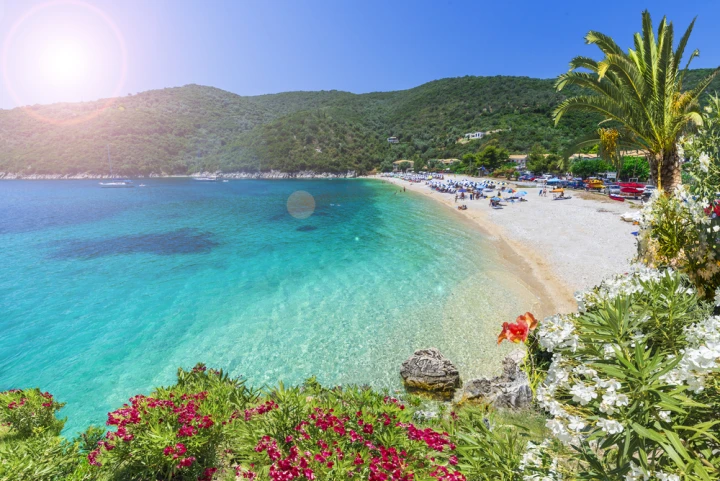
Simos Beach sits on the small island of Elafonisos, a short ferry hop off the southern Peloponnese. Its two white-sand bays and clear turquoise water draw frequent comparisons with the Caribbean.
Costa Navarino, also in Messinia, is the upmarket end of the coast. It brings together championship golf, high-end resorts, spas, and a marina, all along a long sandy shoreline.
Kalogria, on the western coast, is a long sweep of sand backed by the Strofylia pine forest and protected wetlands. It's straightforward to reach yet keeps a wild, natural feel.
Why the Coast Here Is Appealing
The Peloponnese gives you beaches without the isolation that some islands can have. The nearer coasts are within about a two-hour drive of Athens, with the further ones a little more, so weekends and airport runs stay manageable. Kalamata International Airport adds direct European flights, mostly in the warmer months. The season is long, too. Mild winters and a gentle spring and autumn mean the coast is usable well beyond peak summer. And because this is the mainland, you get sandy beaches alongside real towns, good roads, and year-round life.
A Few Coastal Towns to Consider
Each of these has its own character:
Pylos: a harbour town overlooking Navarino Bay, close to Voidokilia, with restaurants, shops, and a medical centre.
Stoupa: a relaxed resort in the Messenian Mani, with sandy and pebble beaches and a well-established Northern European community.
Kardamyli: a traditional stone town beneath the Taygetos mountains, long associated with the writer Patrick Leigh Fermor, who made his home here.
Methoni: known for its Venetian sea fortress and nearby beaches, and generally more affordable than the better-known spots.