Kalamata is quietly stepping into a new chapter.
In 2026, Kalamata International Airport “Captain Vassilis Constantakopoulos” will connect the Peloponnese to 22 international destinations through 31 direct routes, significantly strengthening the region’s ties with key European markets. For a city long appreciated for its olive groves, relaxed pace, and coastal living, this expanded network signals something bigger: accessibility is no longer a seasonal privilege — it’s becoming a structural advantage.
The announcement follows a record year for inbound traffic. In 2025, the airport welcomed 169,730 international passengers, marking a 25.6 percent increase compared to 2023. This steady rise reflects consistent demand from core European source markets and growing confidence in Kalamata as a destination that delivers both lifestyle and substance.
New Routes, Broader Reach
The 2026 schedule introduces several new connections that extend Kalamata’s footprint across the United Kingdom, Germany, and Central Europe.
Jet2 will launch direct flights from Edinburgh and London Gatwick, strengthening links with the UK — traditionally one of the region’s strongest markets. From Germany, Condor will add a route from Hamburg, while Wizz Air will connect Kalamata with Budapest, opening up new access from Central Europe.
These additions don’t simply add dots on a map; they deepen Kalamata’s accessibility for travelers who prefer direct, efficient connections to southern Greece without passing through Athens.
At the same time, airlines are increasing frequencies on established routes, particularly from the UK, Frankfurt, and Zurich. These high-performing markets continue to demonstrate strong demand, and the additional capacity reinforces Kalamata’s position as a dependable entry point to the Peloponnese.
Extending the Season
One of the most notable developments is the clear effort to stretch the tourism calendar beyond the traditional summer peak.
Flights from Munich (Discover Airlines) and Düsseldorf (Eurowings) will operate into November, signaling a deliberate move toward a longer, more balanced season. This extended connectivity supports not only tourism but also property owners and repeat visitors who prefer the quieter rhythm of autumn in the Peloponnese — when the sea is still warm, the light is softer, and daily life feels beautifully unhurried.
Improved shoulder-season access has practical implications as well: better occupancy rates, more stable local employment, and greater confidence for businesses operating year-round.
The Investment Potential
Behind the scenes, this growth is not accidental.
The expanded network is supported by a strengthened co-marketing program between the Region of the Peloponnese and the airlines operating at Kalamata Airport. For the 2024–2026 period, the annual marketing budget has nearly doubled compared to previous years. By 2026, total airline co-advertising investment is expected to reach approximately 2 million euros.
According to Peloponnese Governor Dimitris Ptochos, the increased investments in promotion and strategic partnerships are laying the groundwork for sustainable growth, higher arrivals, and tangible benefits for local communities.
The message is clear: connectivity is being treated as infrastructure — not just as a seasonal opportunity.
A New Phase of Development
Alongside route expansion, structural changes are also underway.
Kalamata Airport is entering a new phase with its upcoming privatization and the participation of Fraport Greece, part of the consortium operating the airport under a 40-year concession. The consortium includes Fraport Greece, Delta Airport Investments (a subsidiary of the Kopelouzos Group), and Pileas (part of the Konstantakopoulos Group).
Planned upgrades include infrastructure improvements, extended operating hours, additional staffing, and the construction of a new terminal designed to increase overall capacity and enhance passenger experience. These developments aim to ensure that the airport can comfortably accommodate future growth while maintaining operational efficiency.
What It Means for the Region
For southern Greece, stronger air connectivity is more than a statistic — it shapes how the region evolves.
Better access encourages repeat visitors, supports second-home owners, and strengthens the international profile of Kalamata and the wider Peloponnese. It makes weekend trips possible, simplifies property management for overseas owners, and reinforces confidence in long-term investment in the area.
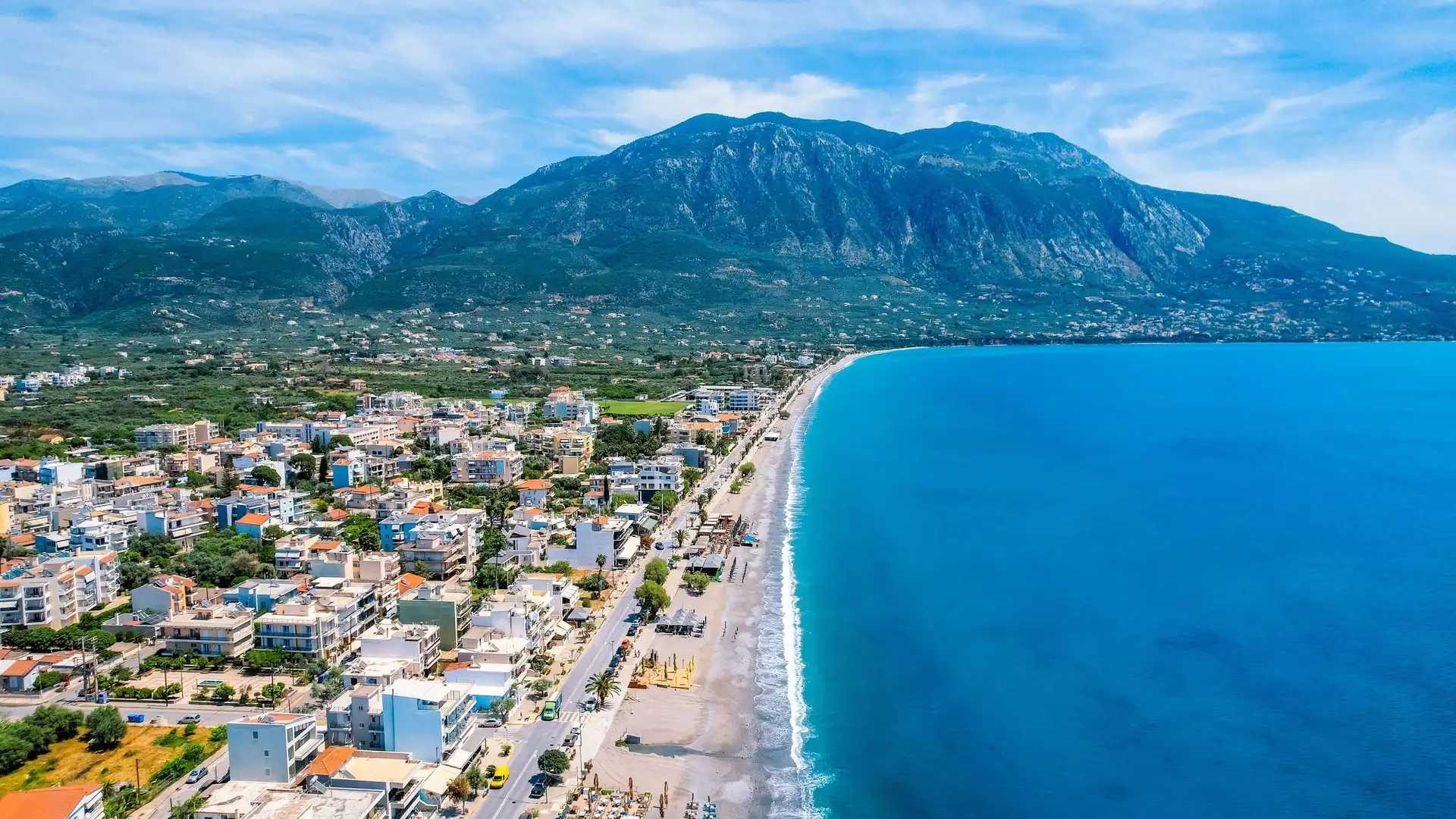
Kalamata has always offered a balanced lifestyle: coastline, mountains, authentic town life, and proximity to destinations like Costa Navarino. With improved air links and planned infrastructure upgrades, it is now becoming easier than ever to reach — and to return.
In 2026, Kalamata Airport will not simply add routes. It is steadily anchoring the Peloponnese on Europe’s travel map, with a rhythm that feels measured, thoughtful, and sustainable.
And that kind of growth tends to last.