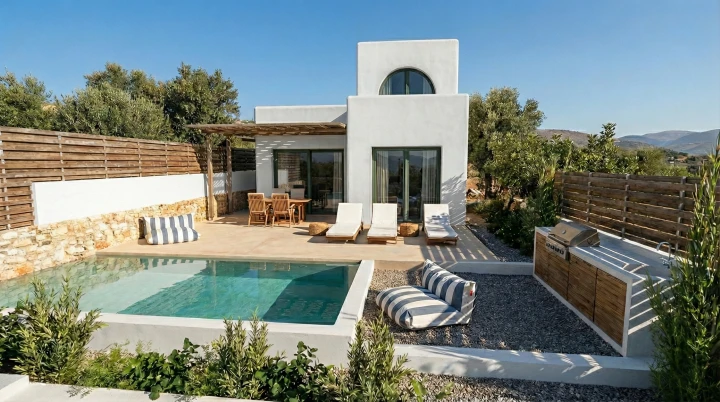
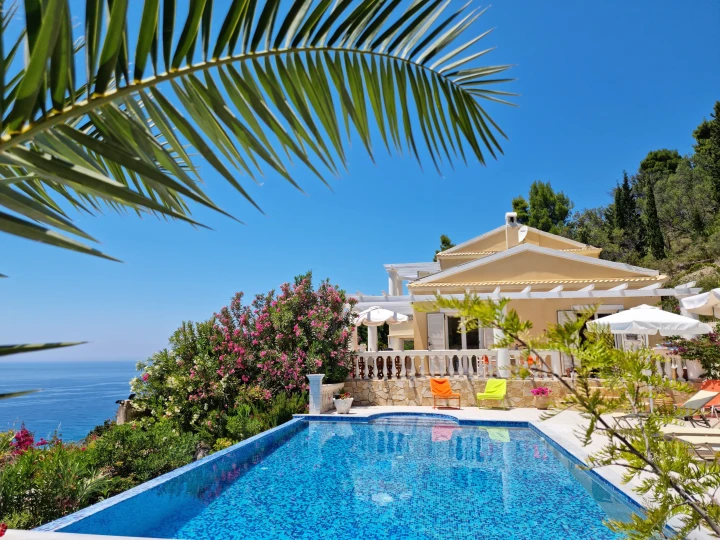
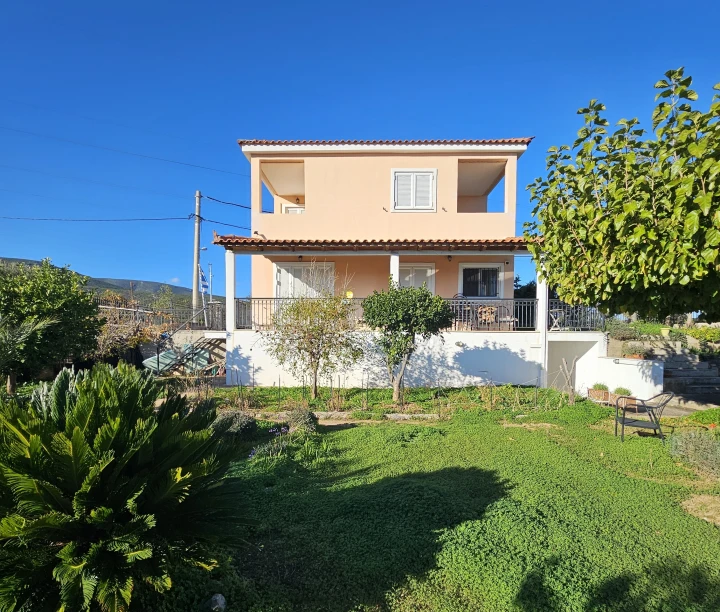
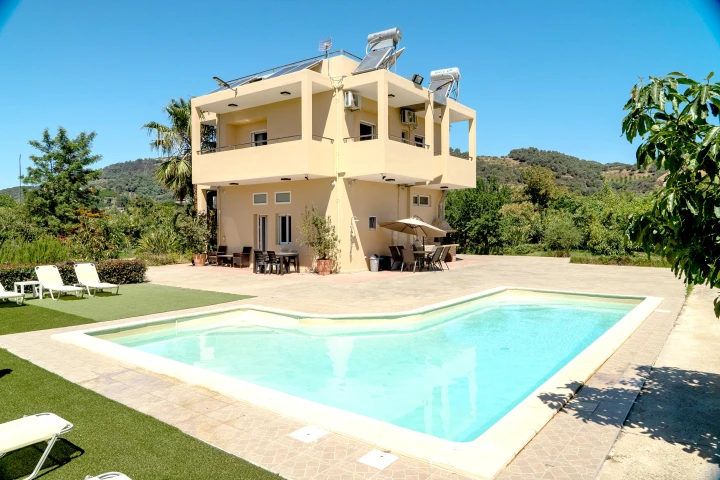
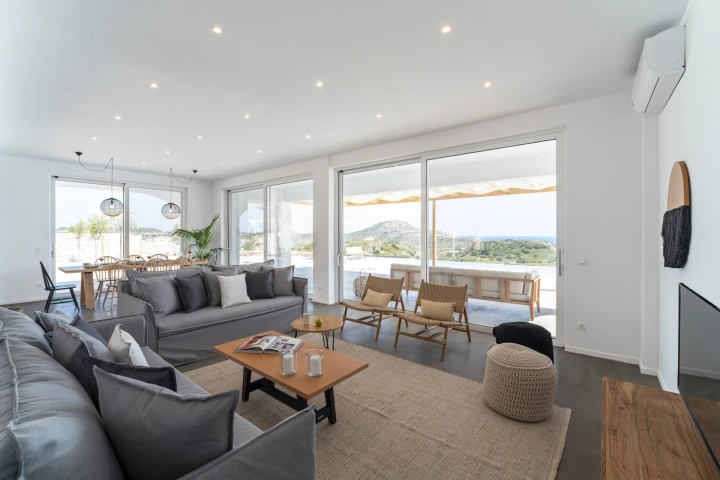
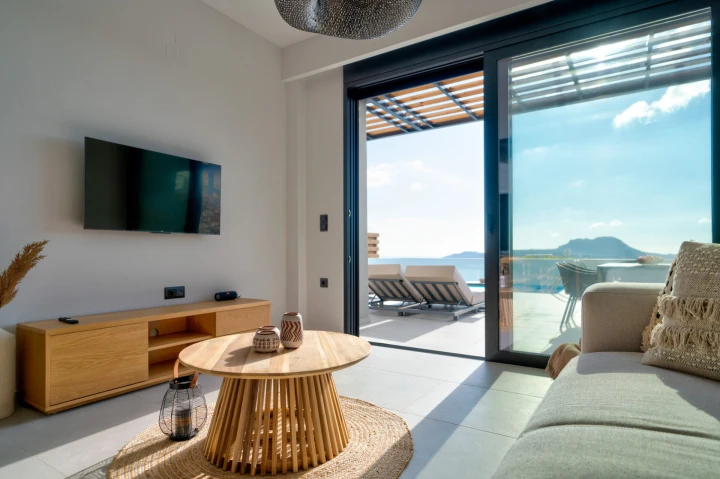
In recent years there has been an increasing demand for real estate in Greece. There are many reasons that make Greece an ideal country for a second (or even first) home.
Climate
Greece has a typical Mediterranean climate, with mild winters and dry summers, and almost year-round sunshine (320 days a year). The warmest period is the end of July – beginning of August, with average temperatures between 29 and 35°C (84-95°F), but it is during this period that the annual north wind from the Aegean Sea causes pre-cooling.
Large variety in landscape
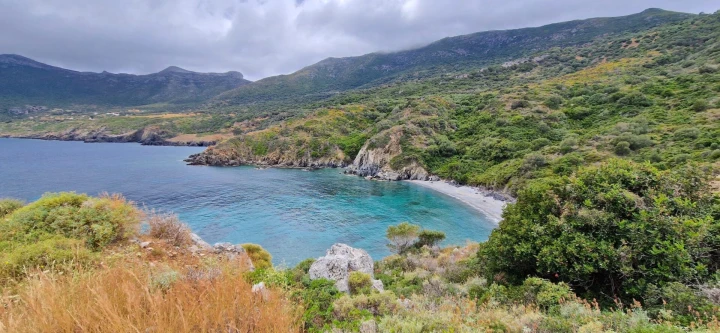
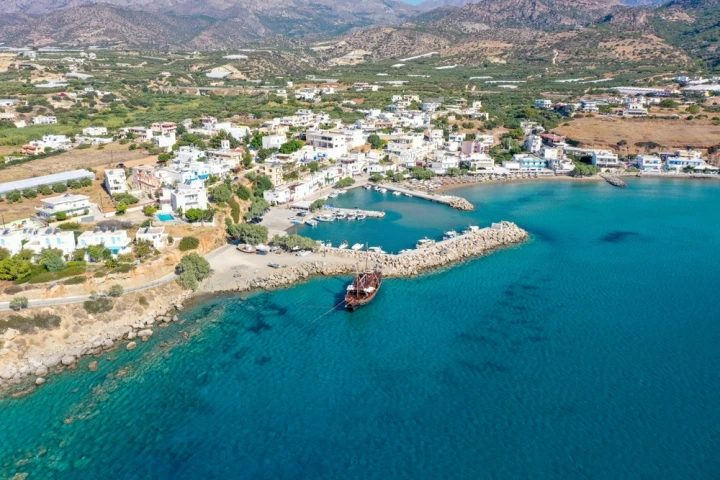
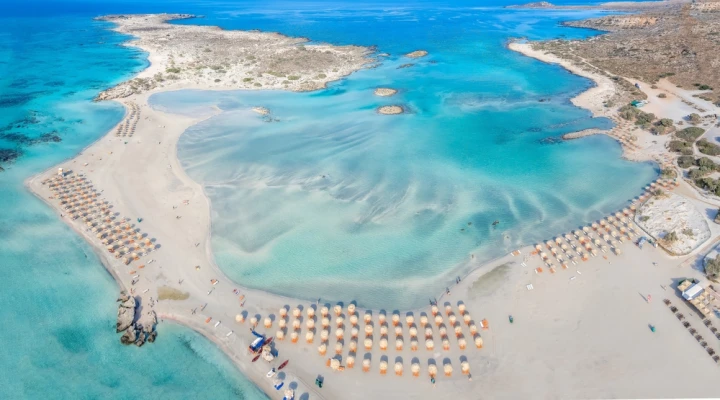
Greece has an enormous coastline, with 3000 islands, 138 of which are inhabited. They provide beautiful beaches, small bays, sun and sea. The Greek archipelago is a sailing paradise par excellence. A country full of history, myths and countless archaeological sites. But the great attraction of Greece remains of course the sun and the sea.
Good accessibility
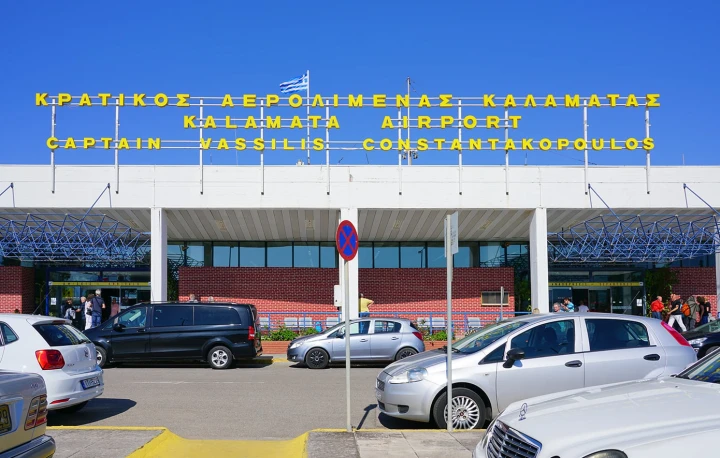
Greece is the country with the most airports in Europe (more than 45). Every corner of the country can be reached daily, either directly with a charter flight or with a layover in Athens. By car, Greece is easily accessible via Italy; from several Italian harbours you can make the crossing by car with one of the many luxury ferries.
Juridical transparency
Greek law is partly based on German and French law. Property is sacred, as in the Netherlands and Belgium for example. The protection of property is seen as a fundamental right and is enshrined in the constitution. When legal procedures are completed with due care, the buyer is 100% owner, without restrictions, reservations or small print.
Small scale
Unlike countries such as Spain and Turkey, Greek law prohibits the construction of mega-projects. Thus, outside the village limits, a maximum of 200 sqm can be built on a plot of at least 4,000 sqm. The house to be built may then not be higher than 7.5 meters. These strict building regulations – in combination with the landscape – have ensured that no projects with hundreds of houses can be found in Greece.
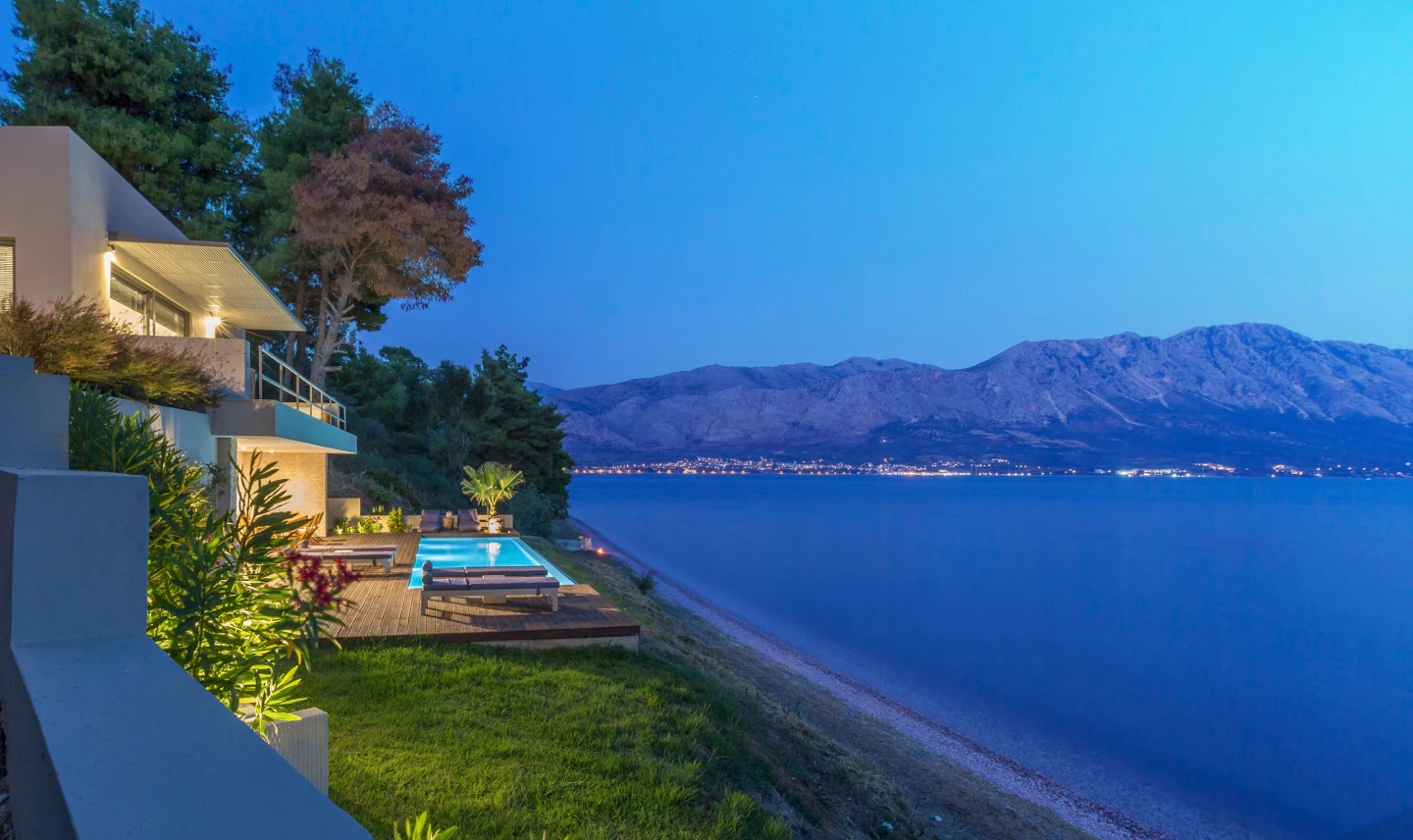
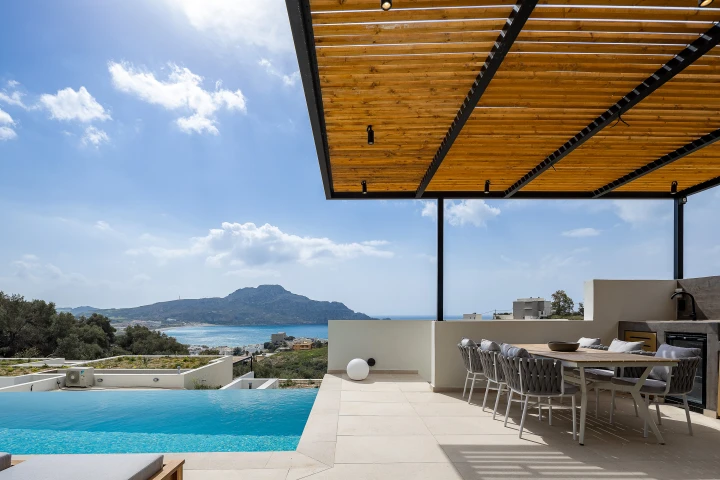
The strongest selling point for Greece may not be directly measurable, but therefore no less perceptible. Ask the average visitor in Greece this question and you will always receive the same answer: the Greek hospitality. Together with all the above, more rational arguments, Greece is for many the ideal country to buy a second home, on the gorgeous mainland or one of the many beautiful islands, overlooking the infinite azure blue Greek sea.
For complete list of benefits to having a home in Greece, see our complete guide here.

 Sale
Sale