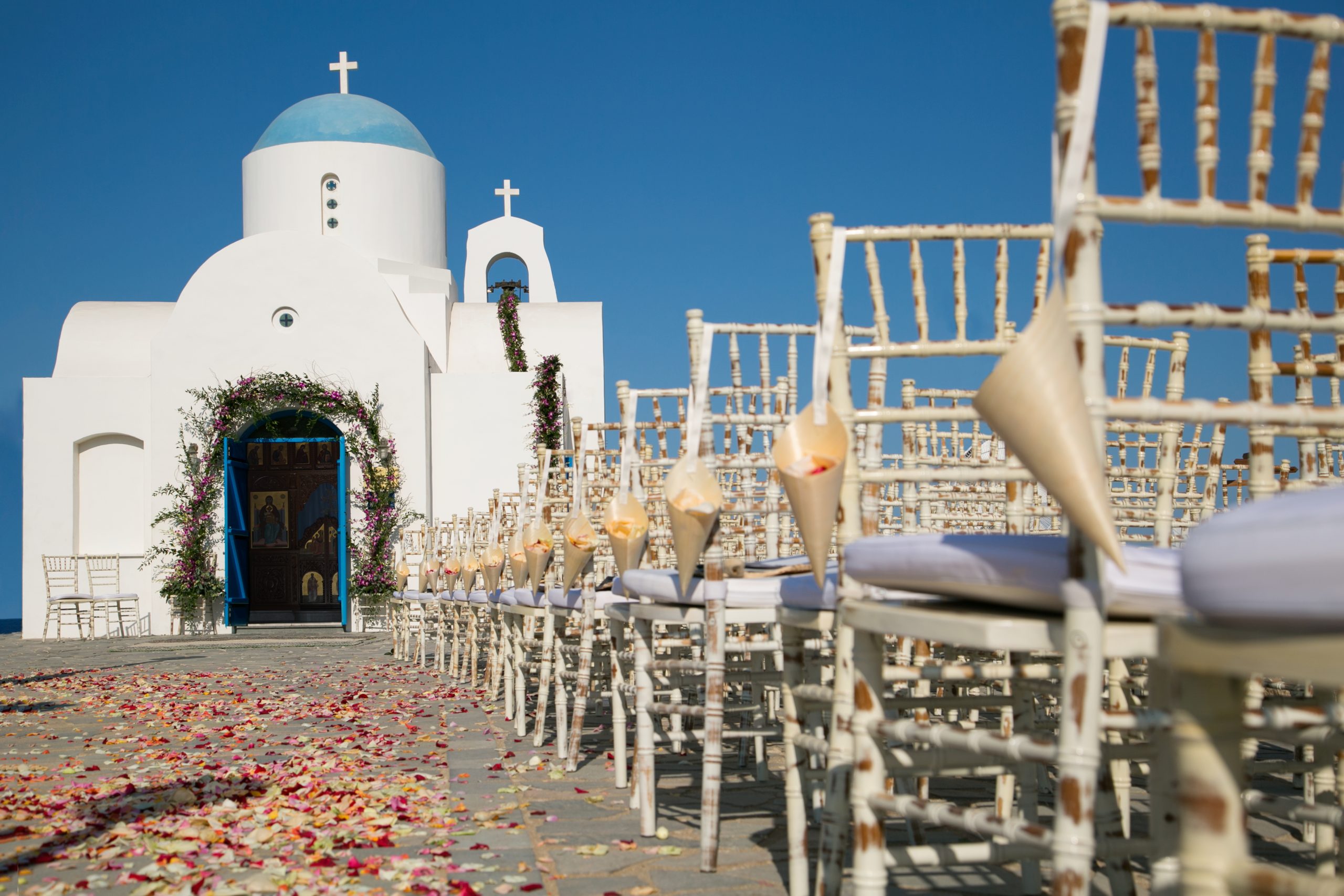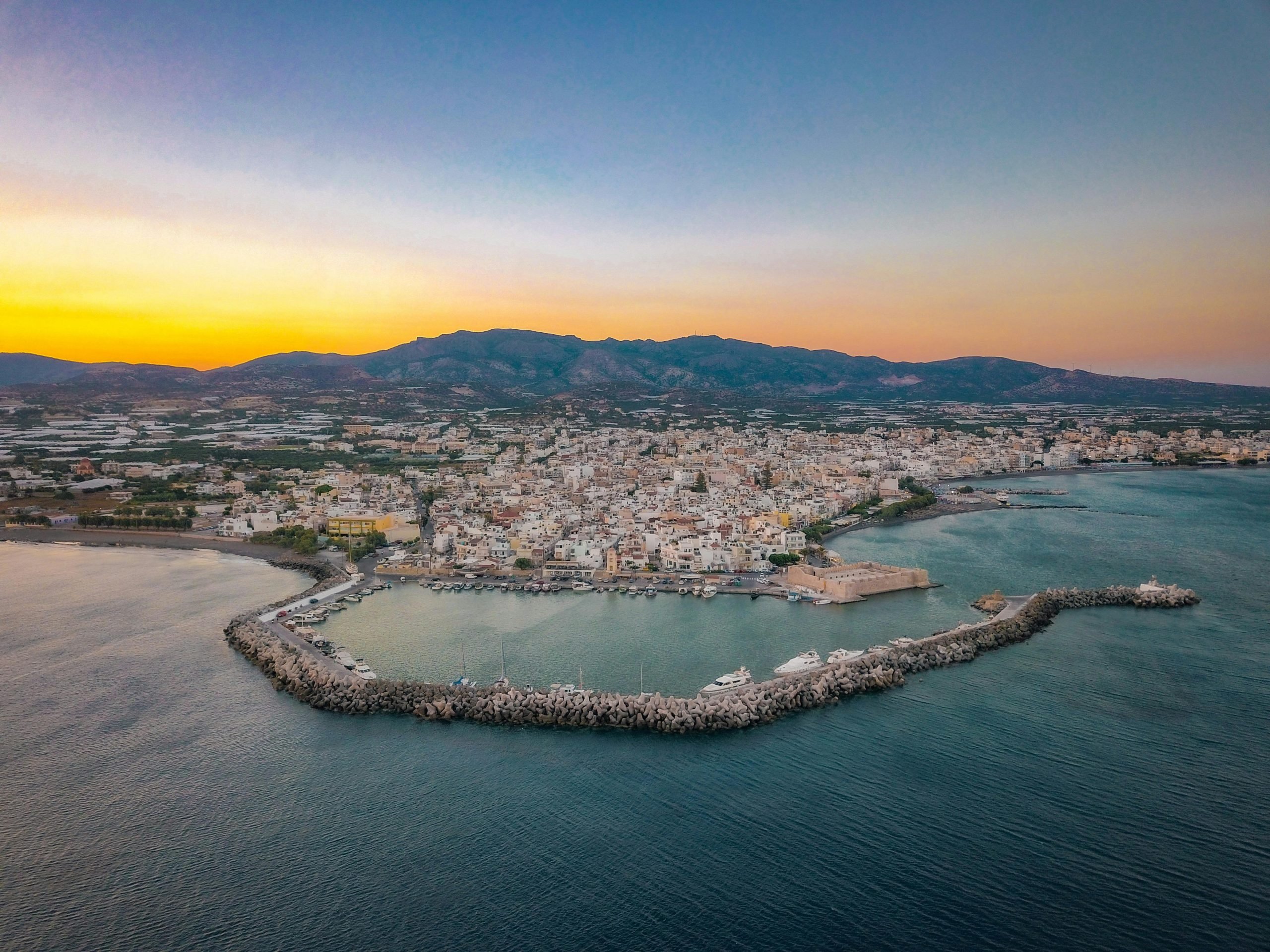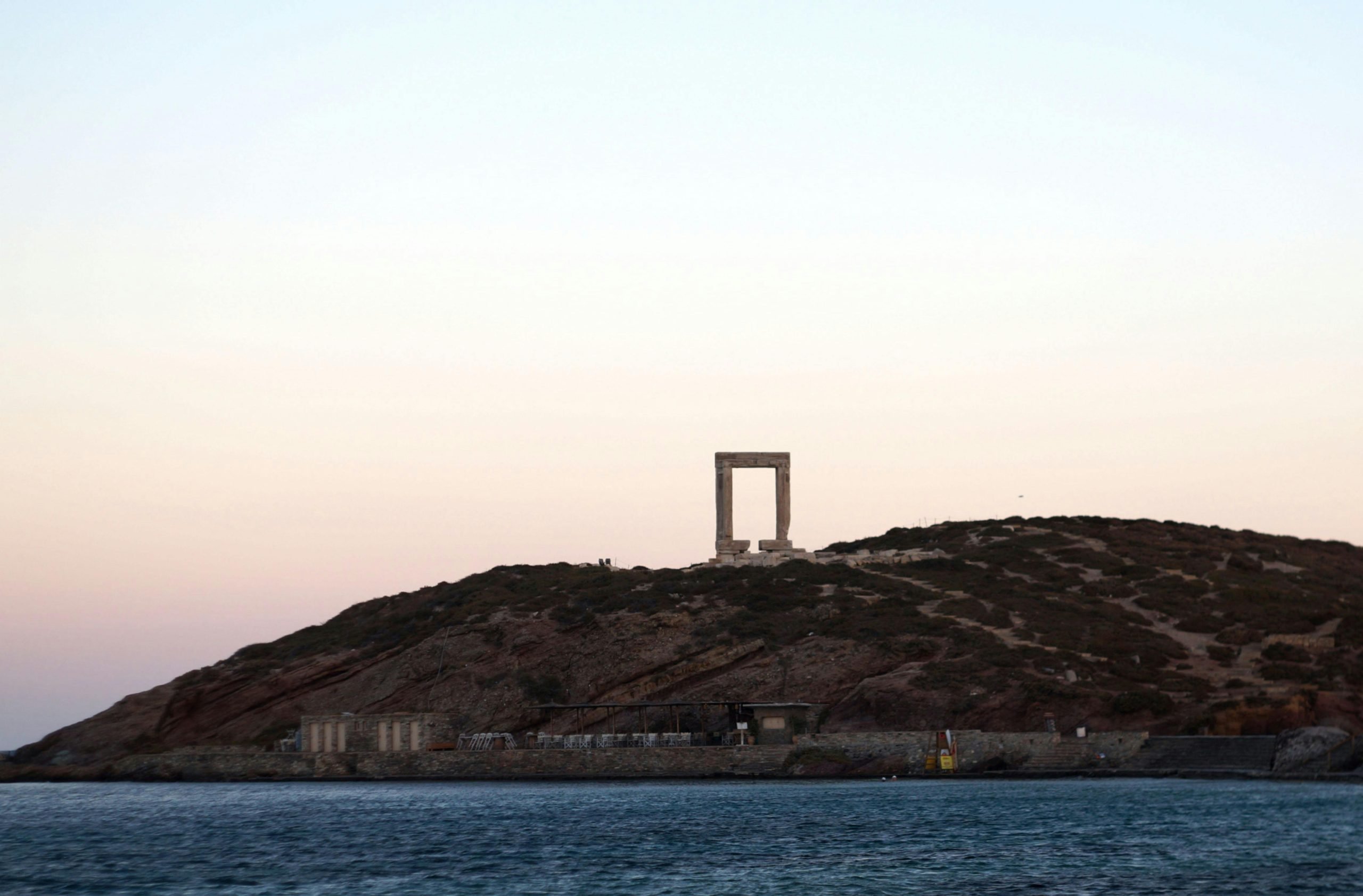
Crete enjoys a warm Mediterranean climate year-round, with hot, dry summers and mild, wet winters. The island experiences over 300 days of sunshine annually, with summer temperatures reaching 25-30°C (77-86°F) and winter temperatures rarely dropping below 10°C (50°F). This consistent weather pattern makes Crete an attractive destination for visitors and property owners throughout most of the year.
What makes Crete’s climate different from other Greek islands?
Crete’s climate stands out due to its size and geographical position in the southern Aegean Sea. As Greece’s largest island, Crete creates its own microclimate patterns, with significant variations between coastal areas and mountainous regions. The island’s substantial landmass moderates temperature swings more effectively than smaller Greek islands.
The island’s position approximately 160 kilometres south of mainland Greece places it closer to North Africa, resulting in warmer temperatures and less rainfall compared to northern Greek islands. Crete’s mountainous spine, including peaks over 2,400 metres high, creates distinct weather zones across the island. Coastal areas remain consistently warmer, whilst mountain regions can experience snow during winter months.
This geographical diversity means Crete weather varies considerably from north to south and coast to interior. The southern coast typically enjoys temperatures 2-3°C warmer than the northern coast, making it particularly appealing for those seeking year-round warmth.
How hot does Crete get in summer and how cold in winter?
Summer temperatures in Crete typically range from 25-30°C during the day, with coastal areas occasionally reaching 35°C during heat waves. Night-time temperatures remain comfortable at 18-22°C, providing pleasant evenings for outdoor activities. The warmest months are July and August, though June and September offer similarly warm conditions with fewer crowds.
Winter brings mild conditions with daytime temperatures averaging 12-16°C along the coast. Night-time temperatures rarely drop below 8°C in coastal areas, though mountain regions can experience frost and occasional snow. January and February represent the coolest months, but the Mediterranean climate Crete enjoys means harsh winter weather remains uncommon.
Spring and autumn offer particularly pleasant conditions, with temperatures ranging from 18-25°C. These transitional seasons provide ideal weather for exploring the island, with warm days and cool evenings perfect for various outdoor activities.
When does it rain in Crete and how much precipitation can you expect?
Crete receives most of its rainfall between November and March, with December and January typically being the wettest months. Annual precipitation averages 400-700mm, though this varies significantly across the island. Northern coastal areas receive more rainfall than the southern coast due to prevailing wind patterns.
Summer months from June to September are remarkably dry, with virtually no rainfall expected. This dry period makes Crete ideal for summer holidays and outdoor activities. When rain does occur during summer, it’s usually brief and often welcomed as a cooling relief.
Mountain regions receive considerably more precipitation than coastal areas, sometimes double the amount. This variation creates lush, green landscapes in highland areas during spring, whilst coastal regions maintain their characteristic Mediterranean appearance throughout the year.
What’s the best time to visit Crete based on weather?
The optimal time to visit Crete depends on your preferences, but May through October offers the most reliable weather for most activities. Summer months (June-August) provide guaranteed sunshine and warm sea temperatures perfect for swimming, though this period brings the highest tourist numbers and accommodation prices.
Spring (April-May) and autumn (September-October) offer exceptional value with warm temperatures, fewer crowds, and lower costs. These seasons are particularly suitable for hiking, sightseeing, and exploring the island’s cultural attractions. Sea temperatures remain pleasant for swimming well into October.
For property viewing and investment considerations, visiting during different seasons provides valuable insight into year-round conditions. Many international buyers find spring and autumn ideal for property investment decisions, as they can experience the island’s appeal beyond peak summer conditions whilst still enjoying excellent weather.
Winter visits, whilst cooler, offer a authentic glimpse of local life and can be surprisingly pleasant, with many clear, sunny days perfect for exploring without summer heat.
How does Crete’s weather affect property ownership and investment decisions?
Crete’s year-round climate significantly impacts property maintenance, rental potential, and overall investment returns. The extended tourist season from April to October maximises rental opportunities for holiday property owners. Consistent warm weather means properties can generate income for seven to eight months annually, compared to shorter seasons in northern European destinations.
The dry summer climate reduces maintenance concerns related to dampness and mould, common issues in more humid locations. However, the intense summer sun requires consideration for exterior paintwork and furnishings. Properties with good orientation and shading features command premium prices and rental rates.
Utility costs remain manageable due to the mild winter climate. Heating requirements are minimal compared to northern European properties, though air conditioning becomes essential during peak summer months. Many property owners find solar panels particularly effective given Crete’s abundant sunshine.
The reliable weather patterns make Crete attractive for both holiday home ownership and permanent relocation. Properties maintain their appeal throughout most of the year, supporting strong resale values and rental demand. International buyers often discover that Crete’s climate allows for extended stays and year-round enjoyment of their investment.
Whether you’re considering Crete for holiday home ownership, permanent residence, or investment purposes, understanding the island’s exceptional climate advantages helps inform your decision. For personalised guidance on property opportunities that maximise Crete’s year-round appeal, contact our experienced team who understand both the local market and international buyer needs.
Disclaimer: This content is for informational purposes only and does NOT constitute legal or tax advice. For any issues relating to specific cases, it is highly recommended to consult a lawyer, an accountant or a notary depending on your needs.