

03.09.2026
Buying an Off-Plan House in Greece from Abroad Explained
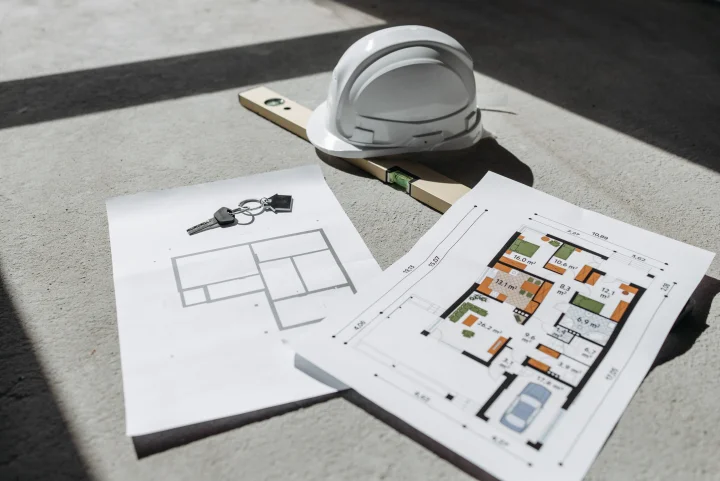
“How can I buy a house in Greece that is not built yet from abroad?”
That’s a very common question we receive from clients interested in buying an off-plan house.

Purchase Tips
21.11.2025
Selling a coastal property in Greece is a different job from selling one at home. Your most likely buyer lives in the Netherlands, Germany, Belgium, France, or the UK, speaks a different language, and will probably see your property on a screen long before they see it in person. Reaching that buyer takes more than a sign on the gate and a listing on a Greek portal. If you are managing the sale from abroad, the challenge is sharper still. You cannot show the house yourself, and you cannot be there when an interested buyer happens to pass by. The marketing has to do that work for you. These are the nine channels that do it best, and an honest word on which ones you can run yourself and which ones need a professional behind them.
A coastal home in Crete, Corfu or Lefkada is rarely bought the way a city apartment is. Buyers are purchasing a lifestyle as much as a building, and most of them are doing it in a country whose legal system, language and pace they do not know. Your marketing has to do two things at once: show the life the property offers, and give a foreign buyer enough confidence to take the process seriously. Timing matters more than most sellers expect. International buyers typically do their research in winter and early spring, from their living rooms in Utrecht or Munich. Viewing trips follow in spring and autumn, when the weather is good, and the islands are not at peak crowds. A property that goes to market in November is not too late; it is exactly when next year's buyers start looking.
For most foreign buyers, the search starts on an international property portal. These platforms are where your listing either gets noticed or disappears, and the difference usually comes down to presentation: professional photography, a complete and accurate description, and a realistic asking price. Each portal has its own rules and rhythms. Listings with full documentation, multilingual descriptions and quick responses to enquiries consistently rank and convert better than thin ones. A half-finished listing on five portals does less for you than a thorough one on the two or three platforms your target buyers actually use.
Instagram and Facebook suit coastal property well, because the product is visual. A short clip of the morning light on the terrace says more than three paragraphs of text. LinkedIn plays a different role: it reaches professionals considering an investment or a future relocation rather than holidaymakers scrolling on the beach. Paid campaigns on these platforms can be targeted by country, language and interest, which is how you reach a Dutch or German buyer specifically rather than a general audience. Run well, this is one of the most cost-efficient channels available. Run casually, it burns budget fast. If you have not managed ad campaigns before, this is a channel where help pays for itself.
International reach matters, but do not write off the domestic market. Greek portals and local agent networks reach Greek buyers, the Greek diaspora, and foreign residents already living in Greece who know exactly what a coastal property is worth. Regional networks have another quiet advantage: buyers rarely fixate on a single location. Someone comparing Crete with the Peloponnese can be introduced to your property through an agent in either region. Cross-referrals between coastal areas bring in buyers your own listing would never have found.
Foreign buyers take their time. A decision to buy abroad often runs over a year from first search to signed deed, and email is the channel that keeps your property in front of someone for that whole period. A buyer who enquired in October may be ready to book a viewing trip in April. The honest caveat: this channel depends entirely on the quality of the list. A private seller has no list of qualified international buyers. An established agency does. Elxis, for example, has built its buyer database over 35 years of working with Western European clients, and a single property update to the right segment of that list can outperform months of open advertising.
Your buyer is two or three flights away. Video is how they decide whether your property is worth the trip. A proper walkthrough shows what photographs cannot: how the rooms connect, where the light falls, how the spaces actually feel. For coastal property, drone footage earns its cost. Distance to the beach, the line of sight to the sea, the setting of the plot in the landscape: these are the things coastal buyers care about most, and they can only be shown from above. Honest footage also does quiet legal work. A buyer who arrives knowing exactly what to expect is a buyer whose viewing confirms the decision rather than reopening it.
Many buyers of Greek holiday homes were Greek holidaymakers first. Hotels, travel agencies, yacht clubs and tour operators are talking to your future buyer while they are already in the country and already in love with the place. Referral arrangements with these businesses put your property in front of people at the exact moment the idea of owning here feels most real. It is a slower channel than digital advertising, and harder to measure, but the leads it produces tend to be unusually serious.
Google Ads and Meta campaigns let you put your property in front of people actively searching for terms like "buy house Crete" in their own language. Geographic and demographic targeting keeps the spend focused on the markets where Greek coastal property actually sells: the Netherlands first, then Germany, Belgium, France and the UK. Retargeting is the part most sellers miss. Given how long international buyers deliberate, the ability to stay visible to someone who viewed your listing three months ago is worth more than reaching a thousand new people once.
Second-home exhibitions in Northern Europe remain one of the strongest channels for Greek property, precisely because they are offline. Events like the Second Home Expo in Antwerp draw thousands of visitors who are concretely planning a purchase abroad, not idly browsing. Elxis has attended these fairs for years, with more than 100 participations, because face-to-face conversations still close the trust gap that no listing can. International property magazines and expatriate publications play a supporting role. Their readership skews older and more affluent, which matches the typical buyer of a Greek coastal home, and print carries a credibility online listings have to earn.
Lawyers, tax advisors, wealth managers and relocation specialists regularly sit across the table from people whose circumstances point towards a property in Greece. A recommendation from a trusted advisor carries more weight with an international buyer than any advertisement, because that buyer is navigating an unfamiliar legal system and looking for someone to vouch for the process. These networks take years to build, which is why they are effectively an agency channel rather than a private seller's tool. They are also where the most prepared buyers come from: someone referred by their tax advisor has usually already thought through financing, ownership structure and timing.
No single channel sells a coastal property. The right combination depends on the property and the price point: a luxury villa near Chania benefits most from professional networks, fairs and partnerships, while a more accessible home does its best work on portals and social media. Dutch buyers respond differently than German buyers, and both differ from the British. Some of these channels you can run yourself. Most of the ones that matter, including the buyer databases, the fair presence and the professional referral networks, only exist inside an established organisation. That is the case for working with a partner who already has them, alongside the legal and administrative side of selling a home in Greece that has to be handled correctly regardless of how the buyer found you. If you are considering selling your coastal property, contact our team. We will give you a realistic picture of your property's position in the current market and which of these channels will do the most for it.
Disclaimer: This content is for informational purposes only and does not constitute legal or tax advice. For any issues relating to specific cases, it is highly recommended to consult a lawyer, an accountant, or a notary depending on your needs.
03.09.2026
“How can I buy a house in Greece that is not built yet from abroad?”
That’s a very common question we receive from clients interested in buying an off-plan house.
28.08.2026
A power of attorney represents a crucial legal tool for international property buyers and sellers. This legal document grants another person the authority to act on your behalf in property transactions, eliminating the need for personal presence during the sale process. Whether you're a German retiree buying a holiday home in Crete or a Dutch family looking to sell your property in Corfu, a power of attorney allows you to complete a property sale whilst remaining in your home country.
10.08.2026
For many people, the idea of owning a home in Greece starts with a feeling. The sunny days, the sea, a slower pace of life. What often follows is a more practical question: “How does buying a house here actually work?”
For this very reason, we created the following guide so that you can have a clear overview of how the process of buying a house in Greece works.
07.08.2026
Buying a home in Greece from abroad raises a fair question. Can the paperwork be handled with a digital signature, so you never have to fly in to sign in person? For some documents, the answer is yes. For the ones that actually transfer ownership, it is not. A Greek purchase deed is signed before a notary, and that step cannot be done digitally. Therefore, digital signatures are accepted in Greece for private documents, such as certain agreements and declarations. They are not accepted for public documents. That includes the notarial purchase deed and the power of attorney. You cannot become the owner of a Greek property by signing a document digitally. The transfer is always completed before a notary, either with you present or through a power of attorney that was signed in person.
03.08.2026
If you plan to buy a home in Greece, you have probably given some thought to how you will pay for it. Depending on your home country, a mortgage may be one option. Getting a mortgage in Greece as a non-resident is not always straightforward, so it helps to understand how the process works before you begin. The general process is broadly similar from bank to bank, though the details differ and can change from year to year. Rates depend on the bank you approach and on your own profile. As a rule, non-resident buyers pay a little more than residents. The sections below walk through what to expect. You do not need to be a Greek resident to apply for a mortgage. Most Greek banks do apply stricter rules to people living abroad. For some banks, though not all, you will need to be a Greek taxpayer, meaning your tax residency must be in Greece to be eligible for a loan.
22.06.2026
Every home in Greece is now meant to have its own digital file. It is called the Electronic Building Identity, or E-ID (Ηλεκτρονική Ταυτότητα Κτιρίου). The Electronic Building Identity gathers the key facts about a property in one secure online record. It sets out the building's current condition, its permits and plans, and any changes made to it over the years. For anyone buying or selling a home in Greece, it has become one of the most important documents to understand. This guide explains what the E-ID is, what it contains, who prepares it, and why it matters at the moment a property changes hands.
10.06.2026
If you own a property in Greece and are thinking about selling, one of the first things on your mind is probably a practical one: what do I pay to the estate agent? It's a sensible question to ask early, and the answer shapes how you budget for the sale and what you can expect from the agency representing you.
10.06.2026
If you have bought or sold property in the Netherlands, Germany, the UK, or most other Western European countries, you are probably used to a clear setup: the seller has their agent, the buyer has theirs, and each represents their respective client. In Greece, things work differently, and it is very important to have a clear overview before you decide to move forward with a property transaction.
.jpg)