Which part of Crete is the most beautiful?

Reading Time: 5 minutes

Table of Contents

Crete’s beauty spans diverse landscapes from pristine beaches and turquoise lagoons to traditional mountain villages and dramatic gorges. The most beautiful part of Crete depends on your preferences: western Crete offers iconic beaches like Balos and Elafonissi, southern Crete provides untouched wilderness, whilst northern regions combine accessibility with developed coastlines and charming towns.

What makes different regions of Crete uniquely beautiful?

Crete’s diverse geography creates distinct regional characteristics that appeal to different preferences. The island stretches 260 kilometres east to west, featuring four main geographical zones that showcase unique natural beauty.

The northern coastline offers developed beaches with excellent infrastructure, historic cities like Chania and Heraklion, and accessible attractions. These areas feature golden sand beaches, Venetian harbours, and well-preserved old towns that blend historical architecture with modern amenities.

Southern Crete presents wild, untouched landscapes with dramatic cliffs, secluded beaches, and authentic villages. The Libyan Sea coastline remains largely undeveloped, offering pristine natural beauty and crystal-clear waters away from tourist crowds.

The mountainous interior showcases traditional Cretan life, with stone villages perched on hillsides, ancient olive groves, and spectacular gorges like Samaria. These regions maintain authentic island culture and offer cooler temperatures during summer months.

Eastern and western regions each possess distinct characteristics: western Crete features the famous Balos Lagoon and Elafonissi pink sand beach, whilst eastern areas offer palm forests at Vai and the dramatic landscapes around Sitia.

Which part of Crete has the most stunning beaches?

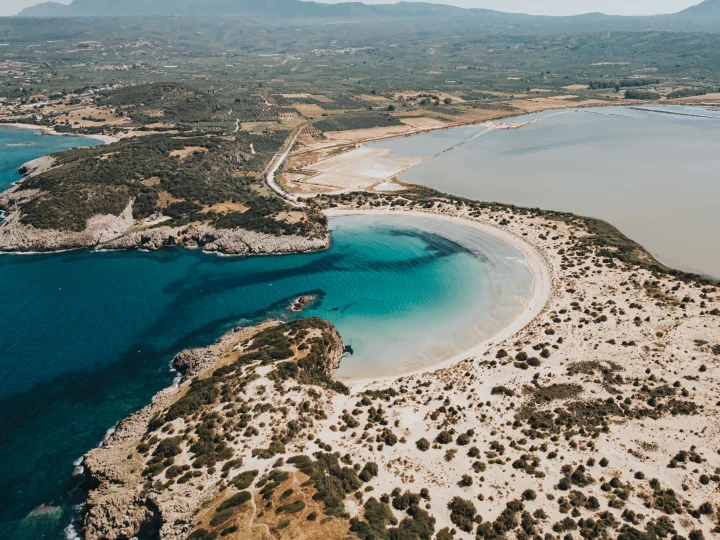
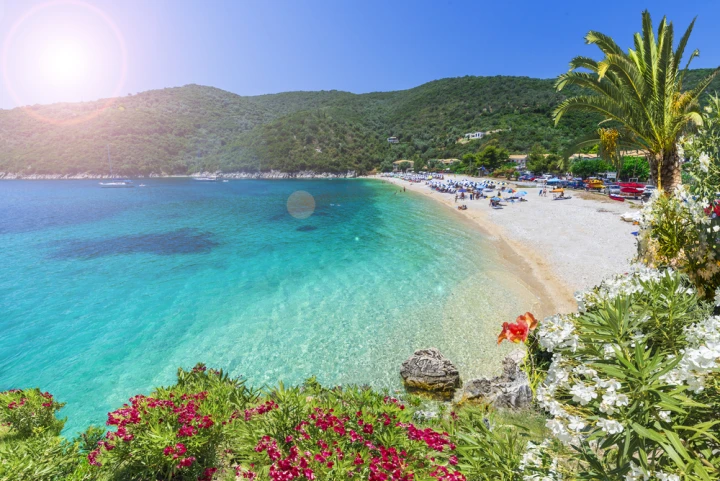
Western Crete consistently ranks highest for spectacular beaches, featuring world-renowned destinations like Balos Lagoon and Elafonissi Beach. These areas offer unique geological formations, crystal-clear waters, and distinctive pink and white sand beaches that attract visitors worldwide.

Balos Lagoon, accessible by boat or hiking trail, presents a tropical paradise with turquoise waters and white sand surrounded by dramatic cliffs. The lagoon’s shallow, warm waters create perfect swimming conditions and photogenic landscapes.

Elafonissi Beach features distinctive pink sand created by crushed shells and coral, combined with incredibly clear, shallow waters ideal for families. The beach connects to a small island during low tide, creating unique exploration opportunities.

Southern Crete destinations like Preveli Beach offer palm forest settings and freshwater river access, whilst Matala provides famous caves and golden sand. These beaches combine natural beauty with interesting historical and cultural elements.

Northern coastal areas like Falassarna deliver spectacular sunset views and excellent swimming conditions, though they tend to be more developed with tourist facilities. The combination of natural beauty and accessibility makes these beaches popular amongst international visitors. For those considering purchasing property in Greece, coastal locations offer excellent investment potential.

Where can you find the most charming traditional villages in Crete?

The most authentic traditional villages are found in mountainous interior regions and along the southern coastline, where communities have preserved centuries-old architecture, customs, and ways of life away from mass tourism development.

Mountain villages like Archanes, Kritsa, and Spili showcase traditional stone architecture, narrow cobblestone streets, and local tavernas serving authentic Cretan cuisine. These settlements offer glimpses into genuine island life with friendly locals and preserved cultural traditions.

Coastal fishing villages such as Loutro, accessible only by boat or hiking trail, maintain their original character with white-painted houses, small harbours, and family-run establishments. These communities provide peaceful retreats with stunning sea views.

The Apokoronas region in northwestern Crete features numerous restored villages like Vamos and Gavalochori, where traditional architecture has been carefully preserved whilst offering modern amenities for residents and visitors.

Lasithi Plateau villages, including Psychro and Tzermiado, present unique highland settings with traditional windmills and agricultural landscapes. These areas maintain strong connections to farming and pastoral traditions that define authentic Cretan culture.

What’s the difference between northern and southern Crete in terms of beauty?

Northern Crete offers developed beauty with excellent accessibility, featuring historic cities, organised beaches, and tourist infrastructure. Southern Crete provides wild, untouched landscapes with dramatic coastlines, secluded beaches, and authentic village life away from commercial development.

Northern regions benefit from better transportation links, including airports and major roads, making attractions easily accessible. The coastline features well-maintained beaches with facilities, water sports, and nearby accommodation options suitable for various budgets.

The northern climate tends to be slightly milder with more consistent weather patterns, whilst infrastructure development provides reliable utilities and services. Historic sites like Knossos Palace and Venetian harbours offer cultural attractions alongside natural beauty.

Southern Crete presents more challenging access but rewards visitors with pristine natural environments. The Libyan Sea coastline features dramatic cliffs, hidden coves, and crystal-clear waters largely untouched by commercial development.

Weather patterns differ between regions, with southern areas experiencing stronger winds during certain seasons but also more secluded swimming opportunities. The rugged landscape creates spectacular hiking opportunities through gorges and coastal paths.

Which region of Crete offers the best combination of natural beauty and accessibility?

Northwestern Crete, particularly around Chania, provides the ideal balance of stunning natural features and practical accessibility. This region combines world-class beaches, historic towns, excellent infrastructure, and proximity to international airports whilst maintaining authentic character.

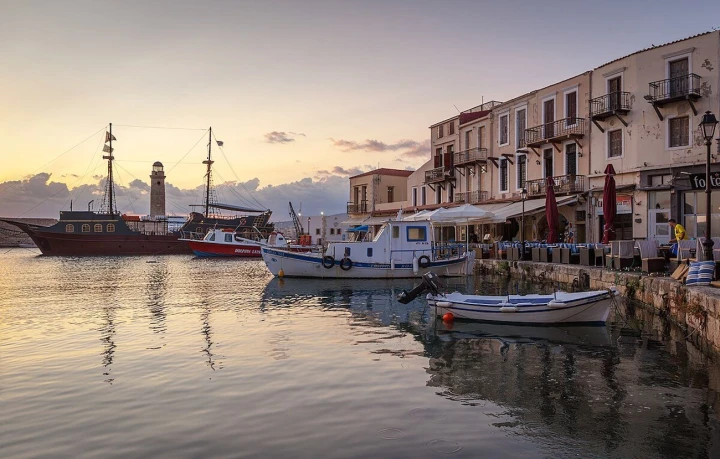
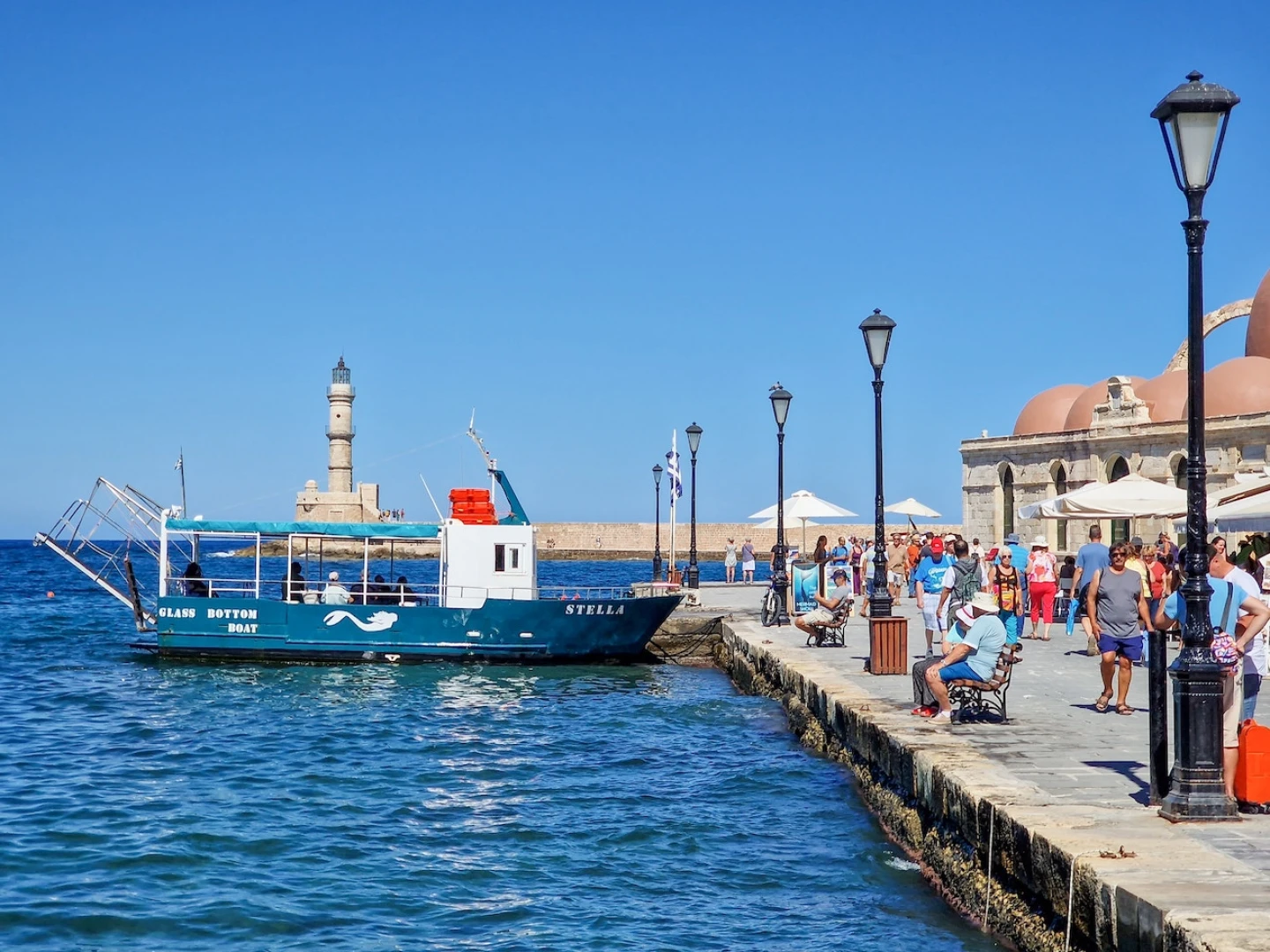
Chania town offers a perfectly preserved Venetian harbour, excellent restaurants, and accommodation options ranging from luxury hotels to traditional guesthouses. The old town provides cultural attractions within walking distance of beautiful beaches and natural sites.

The region provides easy access to famous beaches like Balos and Elafonissi through organised tours or rental car excursions. Well-maintained roads connect major attractions, whilst local bus services offer budget-friendly transportation options.

Airport proximity ensures convenient international connections, particularly important for shorter visits or property owners making regular trips. The area maintains excellent medical facilities, banking services, and shopping opportunities without compromising natural beauty.

Accommodation variety suits different preferences and budgets, from beachfront resorts to mountain retreats and traditional village properties. This flexibility makes the region suitable for various travel styles and long-term residence considerations.

How do the seasons affect which part of Crete looks most beautiful?

Spring transforms Crete into a wildflower paradise, with mountainous regions and rural areas displaying spectacular blooms from March through May. Different regions peak at various times, offering year-round beauty for visitors who understand seasonal variations.

Spring months showcase the island’s natural beauty at its peak, with comfortable temperatures, blooming landscapes, and excellent hiking conditions. Mountain villages and gorges become particularly attractive during this period with mild weather and vibrant vegetation.

Summer highlights coastal regions, with perfect beach conditions and crystal-clear waters ideal for swimming and water sports. Northern beaches benefit from consistent weather, whilst southern locations offer dramatic landscapes enhanced by brilliant blue skies.

Autumn brings harvest seasons and comfortable temperatures for exploring interior regions. Traditional villages become particularly charming during this period, with local festivals and agricultural activities showcasing authentic Cretan culture.

Winter transforms mountain regions with occasional snow-capped peaks and dramatic weather patterns that create spectacular photography opportunities. Coastal areas maintain mild temperatures suitable for hiking and cultural exploration, though swimming becomes less appealing.

Understanding seasonal beauty variations helps visitors choose optimal timing for different activities and regions. Whether you’re planning a holiday or considering permanent residence, each season reveals different aspects of Crete’s natural splendour. For personalised advice about the best Crete destinations for your specific needs, feel free to contact our local experts who understand the island’s diverse regional characteristics.

Disclaimer: This content is for informational purposes only and does NOT constitute legal or tax advice. For any issues relating to specific cases, it is highly recommended to consult a lawyer, an accountant or a notary depending on your needs.

Looking for something in particular?
Wedding in Greece
BlogLifestyle

Greek Wedding Traditions Explained: Rituals, Symbols, and Meaning Behind a Greek Wedding

Greek wedding traditions are famous around the world for their music, energy, and unforgettable celebrations. Many Greek wedding traditions come from Greek Orthodox customs and ...
Ierapetra, Crete
BlogIn The News

Crete’s Energy Upgrade Is Reducing Annual Electricity Costs for Residents and Property Owners

Crete has significantly strengthened its position as one of the most attractive real estate destinations in Greece.   For the first time, the island’s electricity demand ...
donations and parental gifts in Greece
BlogMarket Insights

Donations and Parental Gifts in Greece: How to Transfer Property Tax-Efficiently

Do you own or look to buy a property in Greece? Then maybe you’ve thought of donating this to your children, grandchildren, or another relative ...
Athens
BlogIn The News

Airbnb Rules in Greece in 2026: What Buyers and Property Owners Should Know

Airbnb Regulations in Greece: A Targeted Approach in 2026  Short-term rentals remain an important part of Greece’s tourism landscape. In 2026, however, the Greek government ...
BlogIn The News

Naxos Tops the World’s Must-Visit Destinations for 2026

Naxos has claimed the number one spot among the world’s best travel destinations for 2026, according to research connected with the World Travel Market (WTM) ...
Internet Connectivity in Greece
BlogLifestyle

Internet Connectivity in Greece: A Key for Living, Working & Investing

Greece Goes Digital in 2026   Greece is rapidly evolving from a historically modest digital landscape to a modern, high-speed internet hub. For decades, slower ...
Your search results

Compare Listings

Featured in

Receive the latest news

Join over 20.000 subscribers and stay informed on the latest market insights, updates, tips and more

We’ll send you our best articles, expert insights and newest listings.​

Personalized Greek Real Estate Guidance

Tell us more and our team of real estate specialists will get in touch! 

This quick form takes less than a minute to complete. We only need minimal information to get started.

Step 1 of 3

Your inquiry will be reviewed within 24 hours on business days.