Skip to content

Where Do Most Expats Live In Crete?

Regional Guides

06.10.2025

The short answer is the northwest. The wider Chania region, and above all the Apokoronas area just east of it, holds the island's densest concentration of foreign residents, with Rethymno, the Heraklion area and Agios Nikolaos in the east forming the other established clusters. The pattern is no accident: international residents settle where year-round amenities, an airport and a community of fellow arrivals already exist, and each wave makes the next one easier.

Why Does Chania Dominate?

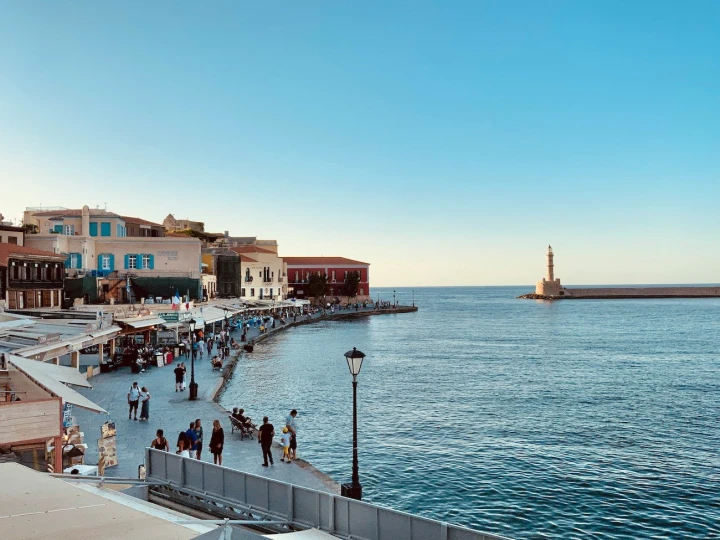
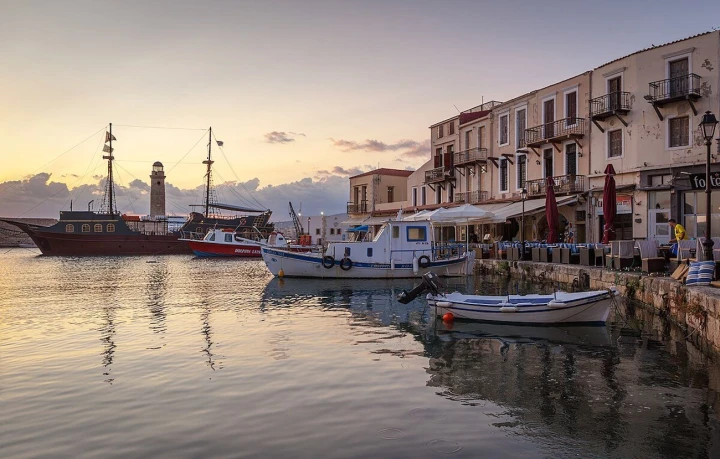
Because it solves the most problems at once. The city itself offers the Venetian harbour and old town, a year-round social and cultural life, good hospitals, and an airport with direct seasonal connections across Northern Europe. Dutch, German, Belgian and British residents are all well represented, which means established networks for everything from language classes to finding a plumber. The real engine, though, is Apokoronas, the green region between Chania and Rethymno. Villages such as Almyrida, Plaka, Kokkino Chorio, Vamos and Gavalochori have become the textbook compromise: traditional settlements with tavernas, kafeneia and Greek neighbours, fifteen to thirty minutes from the city, near sheltered family beaches, with enough foreign residents that newcomers are unremarkable but not so many that village life has dissolved. It is, not coincidentally, where a large share of our own clients end up.

What About The Other Clusters?

Rethymno attracts a distinct crowd: its university keeps the town young and open year-round, and its old town's galleries and cultural life draw foreign residents of a more artistic and academic bent. The compact, walkable centre suits people who want to live without depending on a car. The Heraklion area hosts the most diverse international population, which is less a lifestyle choice than an economic one: the island's largest city, its university and research institutes, the main airport and the hospitals employ internationals rather than merely hosting them. Foreign residents here are likelier to be working professionals than retirees. Agios Nikolaos and the Lasithi coast in the east run quieter and sunnier, with a long-established, largely British and increasingly French community of retirees around the town, Elounda and the surrounding villages. The east trades connectivity, since it is a 45-minute drive past Heraklion's airport, for calm, and its residents consider that a bargain. The south coast, finally, hosts the individualists: small year-round foreign populations around Paleochora, Plakias and Ierapetra, people who chose Crete to get away from things, including other expats.

Town, Village Or Mountains?

The honest trade-offs run roughly as follows. The towns offer walkability, healthcare on the doorstep, winter life and easier integration in English, at the highest prices and with summer crowds. The established coastal villages of Apokoronas and similar areas offer the middle path most buyers settle on: community, space and a garden, beaches nearby, the city within half an hour. The inland and mountain villages offer the deepest immersion and the lowest prices, with property often costing dramatically less than coastal equivalents, in exchange for self-sufficiency: a car is essential, services are distant, and the rewards go to those who learn Greek and join village life properly. Internet, it should be said, has improved across the island and remote work is now feasible from most villages, though anyone whose livelihood depends on a connection should verify the specific house rather than the general claim.

What Should You Weigh When Choosing Your Own Spot?

Six factors decide most cases in practice: distance to an airport, distance to healthcare, what the place is like in February, the housing budget, how much existing expat infrastructure you want around you, and how much summer tourism you can live with. People consistently misjudge the last two. Some discover they moved to Greece only to socialise entirely in English and wish they hadn't; others underestimate how much they will value one neighbour who can explain how the municipality works. And a village that charmed in August can feel desolate in winter, or blissfully peaceful, depending entirely on who you are. This is why our standing advice is to rent for a winter month in the shortlisted area before buying anything. It is also why the viewing trip with one of our consultants covers more than houses: they live in these areas themselves, and can tell you which village has a functioning school run, which one empties in November, and which kafeneio will adopt you. The pattern of where expats already live is useful evidence, but the right question is narrower: where would your particular week, in your particular February, actually work?

Community patterns, services and prices shift over time; treat the picture above as indicative and verify current details for any specific area.

Seeking a House in Crete?

Contact us!

You might also like