23.10.2026
Life on Lefkada: What You Should Know Before Buying a House
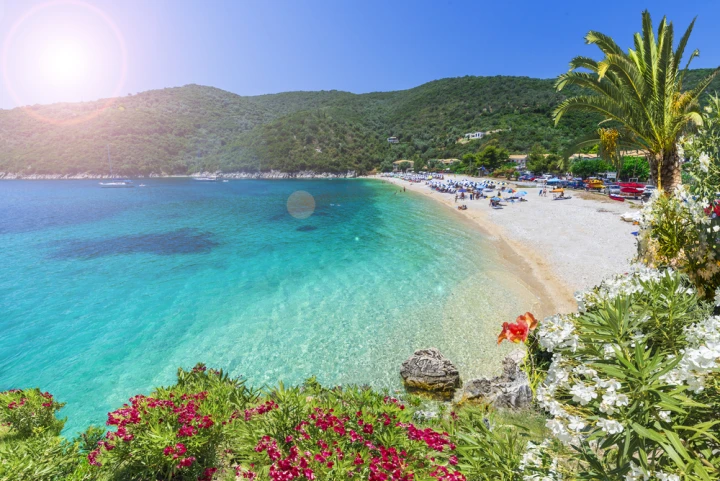
For international property buyers and future permanent residents, Lefkada can be a very smart option.
Regional Guides
05.10.2025
Discover Crete's distinctive cultural identity shaped by ancient Minoan heritage, warm philoxenia hospitality, and unique island traditions. From communal dining customs and village festivals to strong family bonds and community celebrations, Cretan culture blends Orthodox traditions with centuries of Venetian and Ottoman influences.
Crete has a cultural identity that feels distinct from the rest of Greece, and Cretans will be the first to tell you so. The largest Greek island has its own dialect, its own music, its own architectural character, and a set of social traditions shaped by thousands of years of history. Spend time here and it becomes clear quickly that this is not simply a Greek island. It is Crete.
The distinctiveness starts with history. Crete's Minoan heritage predates classical Greek civilisation, and subsequent centuries of Venetian and Ottoman rule each left their mark. The result is a culture that is unmistakably Greek but layered in ways you don't find on the mainland.
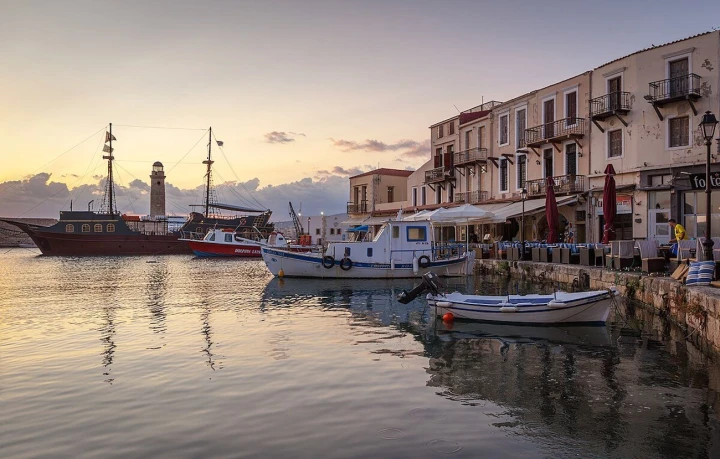
The Cretan dialect includes words and expressions not found elsewhere in the country, a reflection of this mixed heritage. Traditional music is built around the lyra and laouto rather than the bouzouki-driven sound most associated with Greece, giving it a character that is immediately recognisable. Architecture in harbour towns like Chania and Rethymno carries clear Venetian influence, while the stone villages of the interior developed building techniques suited to the island's terrain and climate.
What runs through all of it is a fierce pride in being Cretan, something visitors notice almost immediately.
The concept of philoxenia, hospitality towards strangers, is taken seriously here. Guests are genuinely welcomed, not performatively so. Offers of food, drink, or assistance often come before introductions are fully made.
Traditional greetings involve direct eye contact, a warm handshake, and genuine curiosity about where you are from and what brought you here. If you ask for directions, don't be surprised if someone walks you there. If you stop at a village kafeneion, expect to be included in the conversation. This hospitality carries its own etiquette. Accept offered refreshments, as declining can be seen as dismissive. Show interest in the local area and the people in it. The warmth is genuine, and it responds well to the same in return.
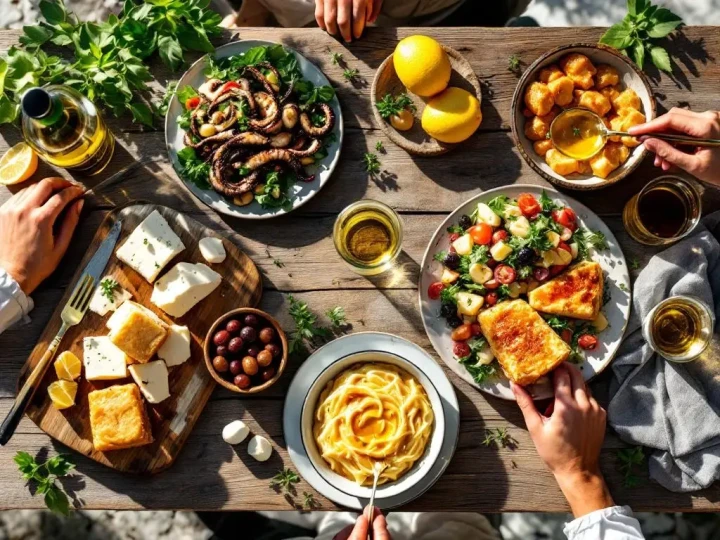
Food is central to how Cretans connect with each other. Shared meals are not just about eating, they are how relationships are maintained, how celebrations are marked, and how traditions pass between generations. Traditional Cretan cooking draws on local ingredients: olive oil, wild greens, fresh cheese, legumes, herbs. Recipes are closely held within families and villages, and the pride attached to them is real. Meals unfold slowly, with conversation as important as the food itself. Festival feasts involve entire communities. Wedding celebrations can last days, with food preparation drawing in extended family networks. Even a casual visit between neighbours typically involves coffee and something to eat. The table is where Cretan social life happens.
Orthodox Easter is the most significant event in the Cretan calendar, involving weeks of preparation, midnight services, and family feasts that bring together extended networks. The atmosphere across the island during Holy Week is unlike anything at other times of year.
Village panigiri, patron saint festivals, take place throughout summer, with traditional music, dancing, and communal meals. The Assumption of Mary on 15 August is among the most widely observed religious celebrations, with pilgrimage sites like Panagia Kera drawing large numbers of worshippers.
Harvest festivals mark the agricultural seasons, particularly the grape harvest in autumn and the olive harvest in winter. Name days are often celebrated more elaborately than birthdays, with open houses welcoming visitors throughout the day. Wedding customs include traditional ceremonies like the bed-making ritual, accompanied by music and dancing that can continue well into the following days.
Extended family networks are the foundation of Cretan social life, providing practical, emotional, and financial support across generations. Multi-generational households are common, and children typically maintain close ties with parents well into adulthood.
Respect for elders is built into daily interactions, in how people are greeted, in how decisions are made within families, in whose opinion carries weight. Family businesses pass between generations as a matter of course, keeping economic and personal bonds tightly connected.
These same principles extend outward into villages and neighbourhoods. Neighbours look out for each other, share resources, and celebrate together. Village councils still hold real influence in local decision-making. The expectation of mutual support runs in both directions, it is given freely and returned in kind.
Dress modestly when visiting churches or monasteries, covered shoulders and long trousers or skirts are required. This applies across Greece but is observed with particular seriousness at Crete's religious sites.
At the table, share and take your time. Accept what is offered. Tipping in tavernas typically means rounding up the bill rather than applying a fixed percentage. Conversations flow easily on most subjects, but sensitive political topics, particularly anything touching on Cyprus or regional tensions, are better avoided.
Social life moves at its own pace here. Events start later than the stated time, and that is not carelessness — it is simply how things work. Punctuality matters more in professional contexts than social ones.
In rural areas especially, ask before photographing people. Learning a few words of Greek goes a long way — the effort is noticed and genuinely appreciated.
Crete is the kind of place that takes a little time to understand and then becomes difficult to leave. If you are considering making it your base, even part of the year, we are happy to talk through what that looks like in practice.
Disclaimer: This content is for informational purposes only and does not constitute legal or tax advice. For guidance on your specific situation, we recommend consulting a lawyer, accountant, or notary as appropriate.
23.10.2026
For international property buyers and future permanent residents, Lefkada can be a very smart option.
22.09.2026
The Peloponnese gets far less international attention than Santorini or Mykonos, and for buyers, that is part of the appeal. The peninsula has a long and varied coastline, mountain villages that stay lived-in through winter, and some of the country's best-known ancient sites, Mycenae, Olympia, and Epidaurus among them. Prices here have stayed closer to reality than on the popular islands, mostly because foreign demand arrived later. If you are willing to look past the obvious destinations, the Peloponnese gives you more for your money and a region that does not shut down in October.
29.07.2026
One of Greece's unparalleled advantages is the bounty of islands it offers, with countless places to explore, all set against the backdrop of the endless blue sea. However, figuring out where each of these islands is located can be tricky. The purpose of this guide, therefore, is to provide a simple and easy-to-understand overview of Greece's island groups.
04.06.2026
It's a sensible thing to check before you start house-hunting, and the answer is a qualified yes. There is a train, but it only reaches the northern edge of the Peloponnese. Athens connects by rail to Kiato, and on towards Aigio, with a bus completing the run to Patras while the line is being finished. Beyond that, the peninsula has very little passenger rail, so the popular spots like Nafplio, Kalamata, and the Mani are reached by road. For most buyers, that makes the bus or the car the practical choice. Here's the full picture, and what it means if you're thinking of a home here.
24.05.2026
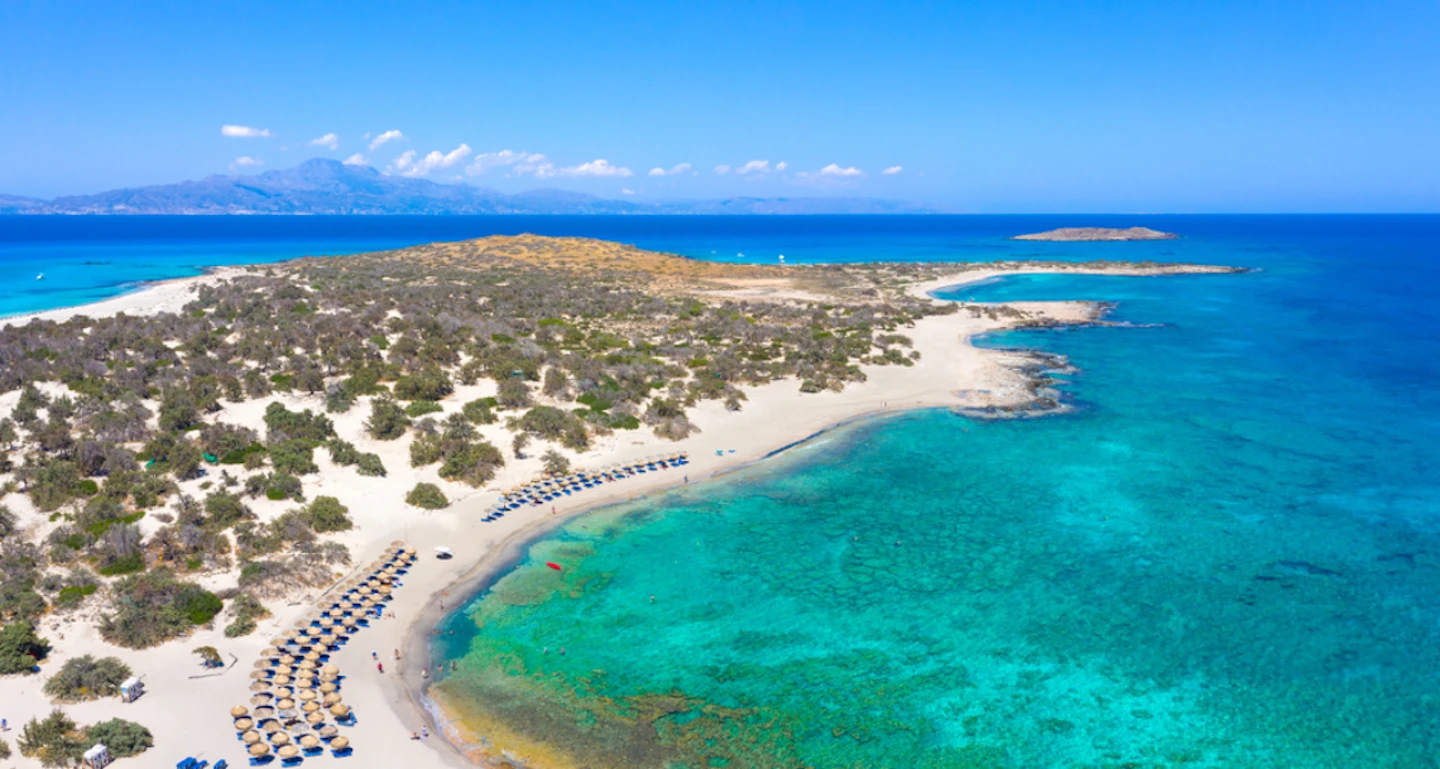
Crete is referred to with the nickname “island of the gods.” The famous Greek island is known for its history, its welcoming people, its picturesque landscapes, and its high quality of life. It seems like everyone is always in a good mood, even when there is a disagreement. What's not to like? In this article, we break down why Crete is the ideal place to buy a second home.
22.05.2026
If you're weighing up where to buy in Crete, Rethymno makes a strong case, and for many international buyers the answer is a clear yes. Sitting between Chania and Heraklion, it offers easy access to two major cities while keeping its own relaxed rhythm, historic charm, and a close connection to the sea. From restored village homes to modern villas near the coast, it draws buyers who want more than a summer base: a balanced life with beaches, mountain villages, restaurants, shops, and year-round services all within reach. It's often seen as Crete's smart middle ground, less busy than Chania, more intimate than Heraklion, and still well connected. Here's why it appeals, what makes it stand out, and who it suits best.
18.05.2026
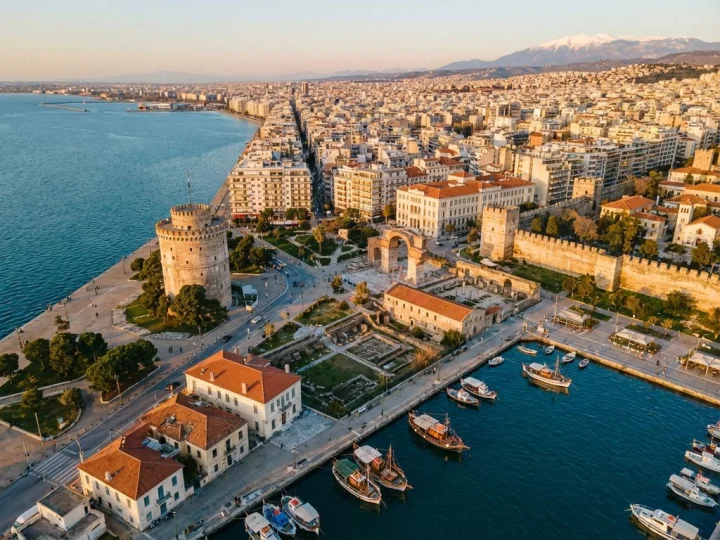
Yes, and a growing number of international professionals are proving it: they are choosing Thessaloniki as their European base, drawn by its rare combination of cultural richness, affordability, and Mediterranean lifestyle. As Greece's second-largest city, Thessaloniki offers significantly lower living costs compared to many major European cities, while still providing a high quality of life, strong urban character, and easy access to the sea.
14.05.2026
Lefkada is connected to mainland Greece by a floating bridge near Lefkada Town, at the narrow Lefkada Canal. This road connection is one of the island’s most practical advantages, as visitors and property owners can reach Lefkada by car without taking a ferry. The bridge opens at scheduled times to allow boats to pass through the canal. For drivers, this can occasionally mean a short wait, especially during the summer season, so it is wise to allow a little extra time when arriving on or leaving the island. This connection makes Lefkada different from many other Greek island destinations. While islands such as Mykonos, Santorini, Corfu, and Crete require either a ferry or a flight, Lefkada can be reached directly by road from mainland Greece.