05.02.2026
Kalamata City Break 2026: The Times Highlights a Rising Greek Destination
Kalamata city break 2026 is quickly becoming a phrase to watch.
Regional Guides22.08.2024
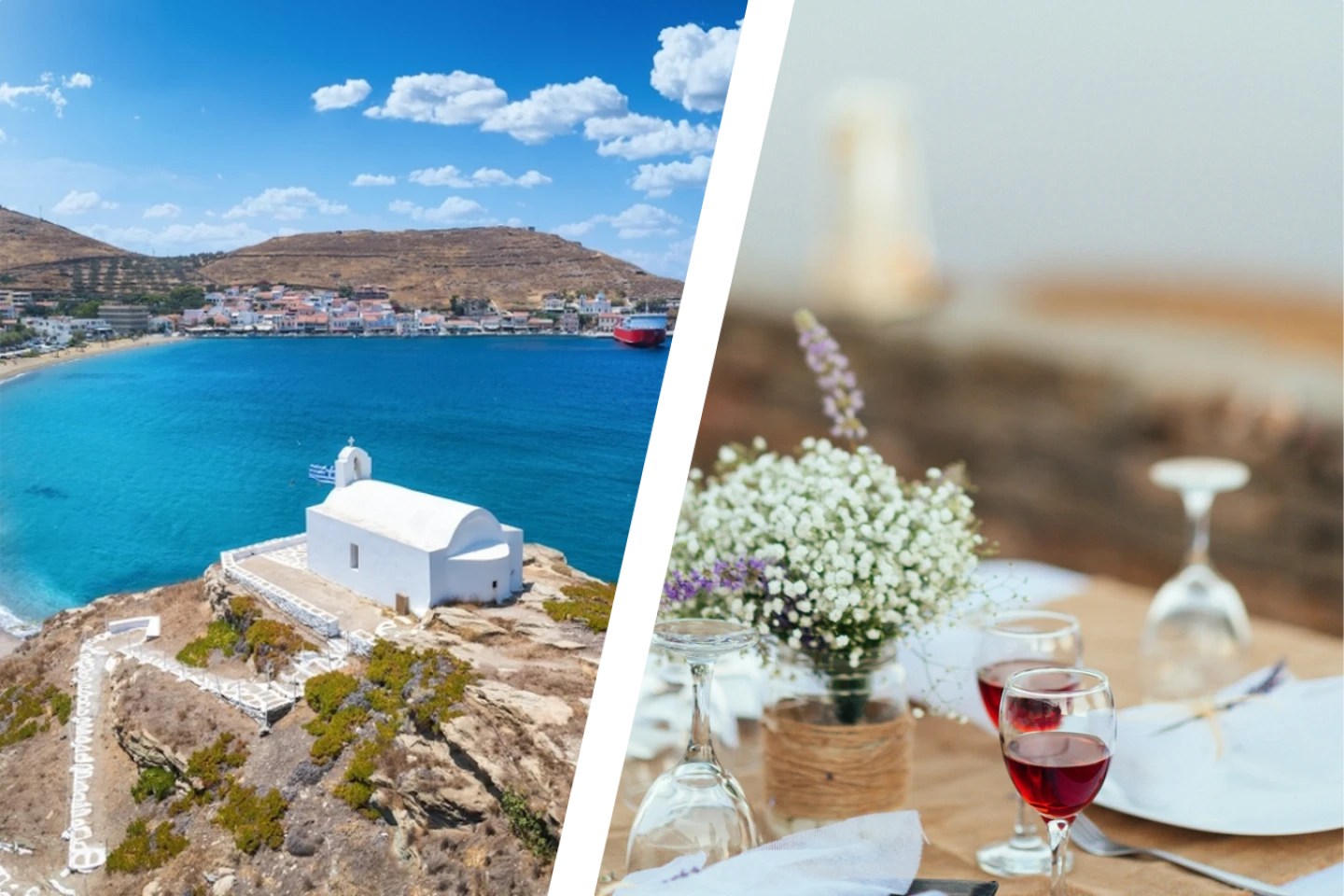
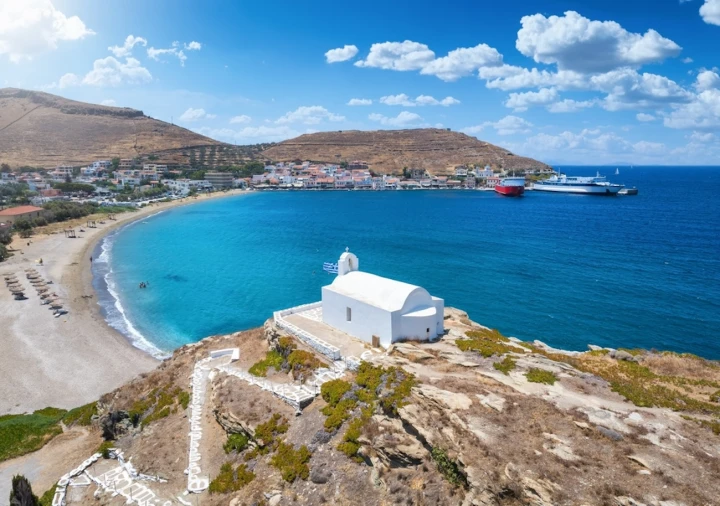
“This land, I would not exchange it for Babylon.” This quote is from the Ancient Greek poet Pinder, and he was describing the island of Kea. Today, Kea island is only one hour from Athens’s Lavrio port. You may be wondering “how have I never heard about it?” This is because Kea has been relatively overshadowed by the more popular islands in the Cyclades, like Santorini and Mykonos.
The teardrop-shaped island is also called “Tzia” by the locals and is a popular weekend excursion from Athens. Kea is known for its beaches, old churches, watermills, and impressive walking trails to its four ancient cities.
The island of Kea used to be known as “Hydroussa” in Ancient Greece because of its lush plants. Today, about 2500 people live on Kea and it has a number of sleepy villages, along with a few homes of wealthy Athenians, which are tucked away in the hills. It’s understandable why they would want to build a home here: the clear waters and amazing sunsets are worth it!
During the summer, the Cycladic islands, including Kea, have a lower temperature than the mainland because of the Meltemi winds.
The Meltemi are dry and seasonal, and if you have ever been to the Cyclades (think Santorini, Mykonos, Paros, or Tinos), you’ve likely experienced this breeze – or you may have even been swept off your feet! The Meltemi winds are a big benefit in the summer because they keep the climate cool.
The impressive history of Kea is visible at every turn. The prehistoric settlement of Kefala is found in the northwestern area of the island, and it was even inhabited in the Neolithic Period, around 16000 BC. The settlement of Agia Irini was one of the most important places in all the Aegean Sea at the time.
During the Archaic years in the 7th century BC, the four city states of Ioulida, Korissos, Karthaia and Poiiessa ruled the island with their own local governments. They generally had a unified foreign policy.
On Kea, it is ideal to explore with the ancient footpaths. These 80 kilometers of stone-paved paths once connected the four main settlements of the island in ancient times. These paths now have signposts to lead you to your destination.
One popular hike is to the mountain village of Ioulida, where you will explore an old Venetian castle and the famous Lion of Ioulida, which is like a mascot to the island. Supposedly, the lion is from 600 BC and was created by the same architect as the Acropolis.

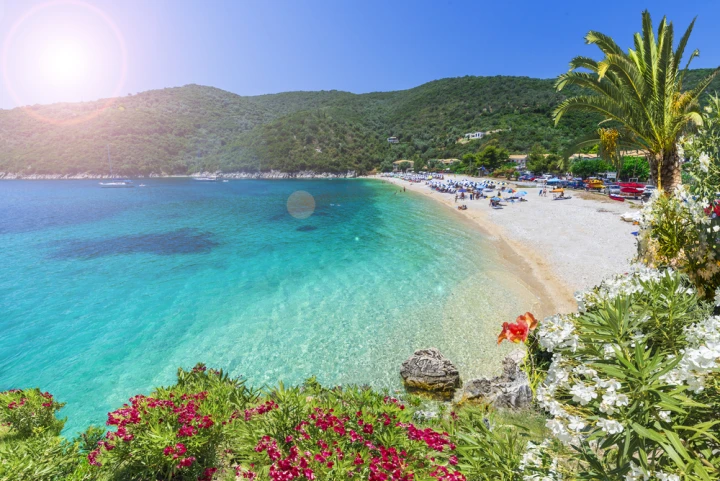
Much of the island has roads which are unpaved, adding to the magic of the setting. You need a car to explore the eastern side of the island and its remote beaches. There are over 30 beaches on the island, and the most popular are Otzias, Vourkari, and Koundouros. If you have a boat, you will have the option to visit the beaches which are only accessible by sea.
This little-known ship was overshadowed by it’s bigger sister, the Titanic. However, the HMHS was one of the most impressive and largest ships of its time in the beginning of the 20th century. It was sunk off the coast of Kea by a German mine in 1916. Jacques Yves Cousteau explored the boat in 1975, but because it is so deep, at 120 meters, it has not been visited by many others. This is one of the most historic shipwrecks in the Mediterranean.
You can rent a vehicle at the port, or bring your own car from Athens. If you are more traditional, you can also tour the island via mules and donkeys. Keep in mind that this takes a good physical condition, because the ascending and descending take some effort.
Regardless of how you choose to get around Kea, you will be pleasantly surprised by the tranquility of this Greek island. The famous poet Pinder said he wouldn't trade Kea for Babylon -- and if you enjoy a glass of wine at sunset here, you'll know why!
05.02.2026
Kalamata city break 2026 is quickly becoming a phrase to watch.
27.01.2026
Naxos has claimed the number one spot among the world’s best travel destinations for 2026, according to research connected with the World Travel Market (WTM) in London. The announcement has drawn international attention and confirms what seasoned travellers have been quietly discovering for years: Naxos is one of Greece’s most complete and authentic island destinations. The ranking was shaped by award-winning travel blogger Marta Ostoya, following extensive field research across 40 countries. By combining emerging travel trends presented at WTM with firsthand travel experiences, her list reflects what modern travellers are truly seeking: places that feel genuine, unhurried, and deeply connected to local culture.
18.12.2025
08.12.2025
07.11.2025
06.11.2025
07.10.2025
25.09.2025

Regional Guides
Regional Guides
Regional Guides
Regional Guides
Regional Guides
Regional Guides