Short-term rentals in Greece continue to show strong momentum, confirming the country’s position as one of Europe’s most dynamic accommodation markets. According to the latest Eurostat data, Greece recorded double-digit growth in guest overnight stays during 2025, outperforming most major EU tourism destinations.
Beyond national performance, regional data offers valuable insight into where demand is concentrated and where new opportunities are emerging.
Strong Growth Across Greece in 2025
Between July and September 2025, guests spent more than 29 million nights in short-term rental properties across Greece, representing a 12.3% increase compared to the same period in 2024. Among Europe’s most visited countries, only Greece and Germany achieved double-digit growth during this period.
At EU level, short-term rentals also expanded significantly, with nearly 398 million overnight stays recorded across Airbnb, Booking, and Expedia platforms in the third quarter of 2025—an increase of 8.7% year-on-year. This confirms that demand for flexible, home-style accommodation remains strong across Europe.
Attica Leads Greece’s Short-Term Rental Market
At regional level, Attica, in Central Greece maintained its leading position in the country, recording just over 3 million overnight stays in the second quarter of 2025. The region continues to benefit from Athens’ growing appeal as a year-round city destination, supported by culture, gastronomy, and improved infrastructure.
Short-term rentals in Attica increasingly attract higher-spending visitors looking for urban experiences combined with easy access to the Greek islands. This shift is reinforcing Athens’ role as a premium short-stay destination rather than a purely seasonal market.
Aegean Islands Take the Lead for Peak-Season Demand
After Attica, the strongest performance came from the Aegean Islands, which recorded 4,943,518 guest nights in the April–June period. That’s a big number, and it reflects what many travellers are choosing right now: iconic island scenery, easy access to beaches, and a “holiday home” experience that hotels can’t always offer.
For owners, the Aegean remains a market where location and views matter more than ever. Properties close to the sea, in walkable towns, or with outdoor space tend to attract higher-quality bookings and repeat guests.
Crete Holds Its Place as a Reliable All-Rounder
Crete followed with 2,388,501 guest nights, showing once again why it’s one of Greece’s most consistent regions for short stays and property investing. The island benefits from strong flight connections, long seasons, and a mix of lifestyles—from beach resorts to mountain villages and lively cities.
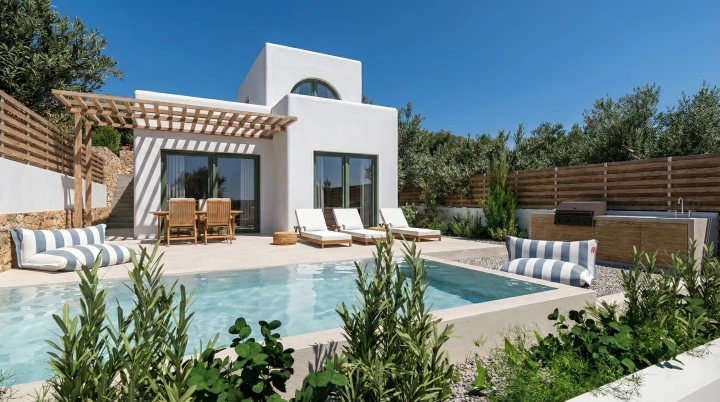
Crete’s advantage is flexibility: it works for classic summer travel, but also for shoulder-season visitors who want food, nature, and a slower pace. For anyone looking for a region that feels less “one-season-only,” Crete continues to stand out.
Ionian Islands and Central Macedonia Stay Strong
The Ionian Islands posted 2,222,822 overnight stays, confirming their ongoing appeal. They’re a favourite for travellers who want green landscapes, calm waters, and a more relaxed island vibe. Demand tends to be strong in well-known locations, but the wider Ionian area also benefits from people seeking alternatives to the busiest hotspots.

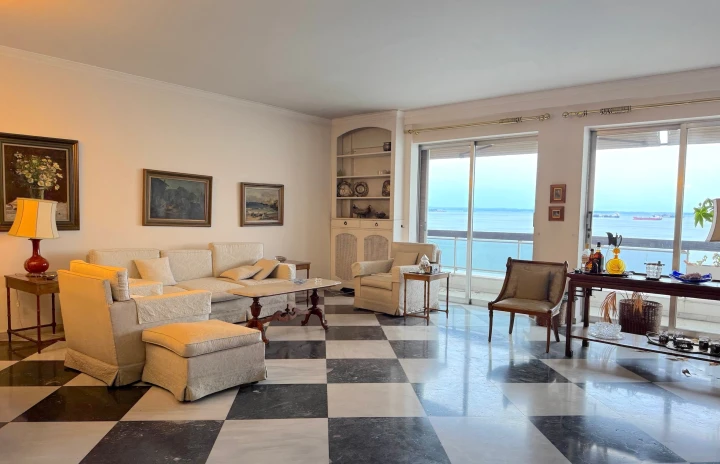
Meanwhile, Central Macedonia in Northern Greece recorded 1,482,214 guest nights, helped by Thessaloniki’s growing popularity as a city-break destination and the region’s easy access to beaches and countryside. City plus sea is a combination that keeps getting stronger, especially for weekend travellers and short getaways.
Northern Greece and “Hidden” Regions Are Catching Up
One of the most interesting takeaways from the Eurostat data is that Northern Greece reached 2,069,876 guest nights, while lesser-known regions such as Central Greece, Western Macedonia, Thessaly, and Epirus also posted strong visitor numbers. This matters because it signals a shift: Greece isn’t only growing in the obvious places. More travellers are exploring regions that feel more authentic, less crowded, and often better value, especially outside July and August. For property owners, that can translate into more balanced demand, not just a short summer spike.
What These Numbers Suggest for Property Owners and Buyers
This data isn’t just tourism trivia—it gives a useful snapshot of where demand is concentrated and how it’s evolving. Here’s what the growth of short-term rentals in Greece can mean in practical terms:
– Urban stays are rising: Athens and Attica benefit from year-round demand and higher-spending visitors.
– Islands remain premium: The Aegean continues to lead, especially where supply is limited and demand is global.
– Longer seasons matter: Crete (and parts of the mainland) can perform well beyond summer.
– New regions are entering the conversation: Areas like Epirus and Thessaly are gaining attention as travellers look for quieter, nature-driven destinations.
Of course, performance always depends on the basics: property condition, location, legal compliance, and professional management. But overall, the trend is clear; demand is growing, and it’s spreading more widely across the country.
With double-digit growth and strong regional performance, short-term rentals in Greece remain one of the most dynamic parts of the country’s wider tourism and housing landscape. Attica is leading the way, the islands continue to dominate peak demand, and regions beyond the usual hotspots are starting to benefitfrom shifting traveller preferences. As this momentum continues, 2026 could be another strong year, especially for owners who focus on quality, year-round usability, and the guest experience.
Athens & Thessaloniki New Short-Term Rental Limits
Even as short-term rentals in Greece keep growing, the government is tightening the rules in the biggest cities to protect long-term housing supply. In central Athens, a ban on registering new short-term rentals in the 1st, 2nd and 3rd municipal districts has been extended through December 31, 2026. Existing registered listings can continue operating, but new entries in the registry are blocked. Violations can trigger steep penalties, starting at 50% of income with a minimum €20,000, and rising to a minimum €40,000 for a repeat offense.
In Thessaloniki, authorities have also signaled plans to extend similar restrictions to the city center, reflecting the same balancing act between tourism demand and local housing needs.
For your complete guide on Greek short-term rentals, click here.