McCabe’s First Experiences with Greece
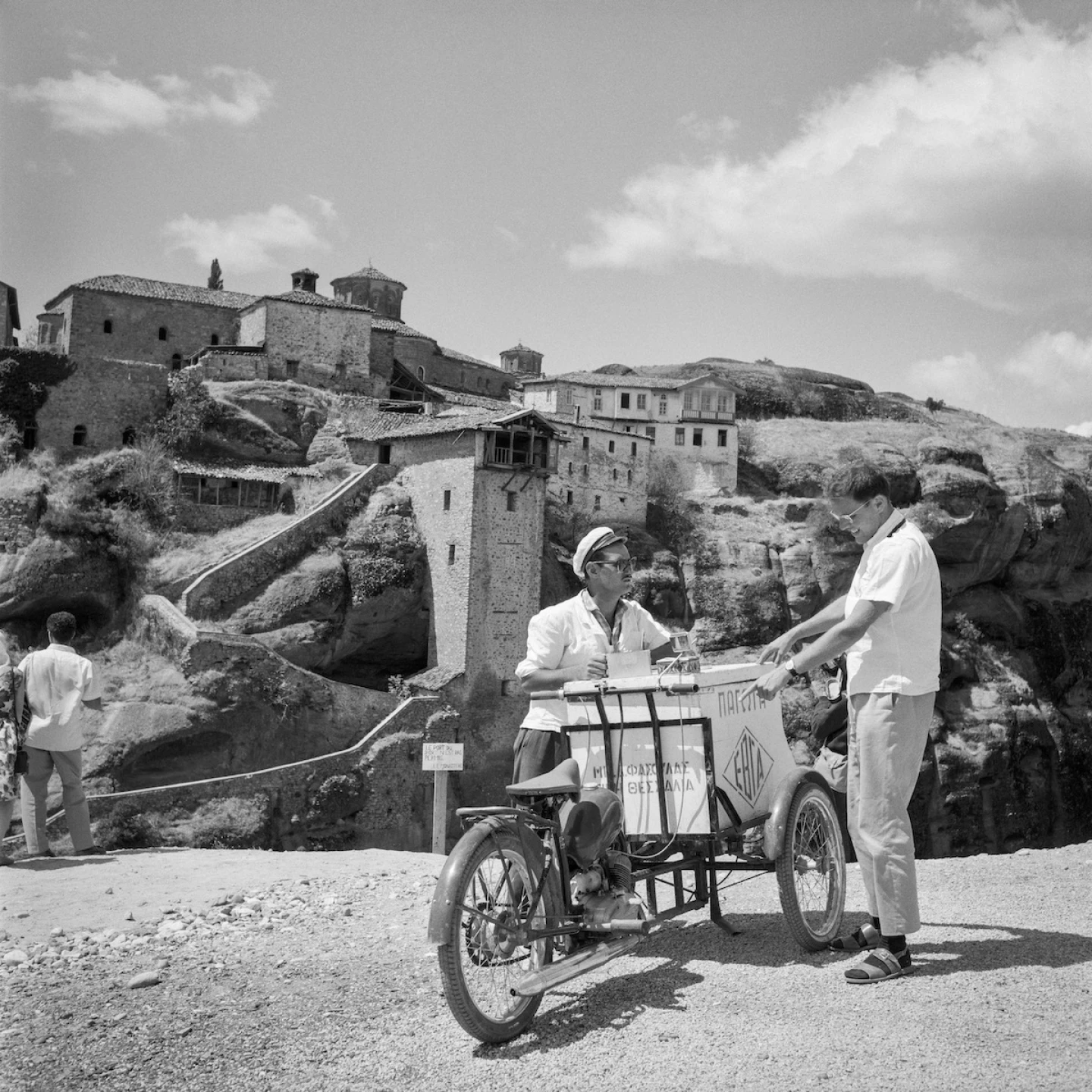
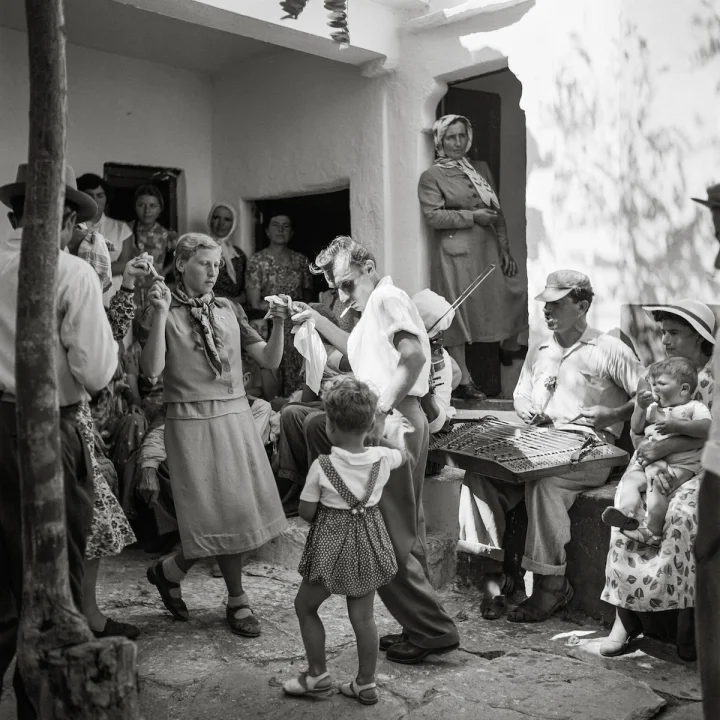
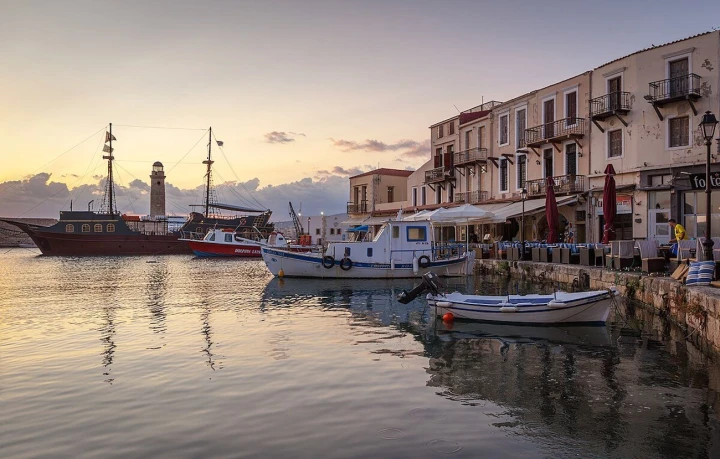
A friend from Princeton University gave him his first taste of Greek hospitality, and he was hooked since then. Several years later, he was assigned to photograph the Cycladic Islands for National Geographic in 1955. His most famous photos are of Mykonos and Santorini before they became famous for their white houses, caldera views, and iconic sunsets. In Robert McCabe’s own words, he says that the beauty of Greece’s architecture and hues has been lost to the idea of “what a cute Greek island village should look like.” When McCabe first visited the Cycladic islands, he was the only visitor along with his brother. There were no cars and just a couple of roads. Cameras were rare at the time, especially in Greece’s villages, so if a photographer like McCabe came up to you, it was a special occasion. Robert McCabe was known to capture simple scenes from day-to-day life in Greece like restaurants, local stores, fishing boats, and barber shops. McCabe notes that in 1955, Mykonos felt like its own country with “its own dances, cuisine, architecture, and even language.”
McCabe on Change in Greece
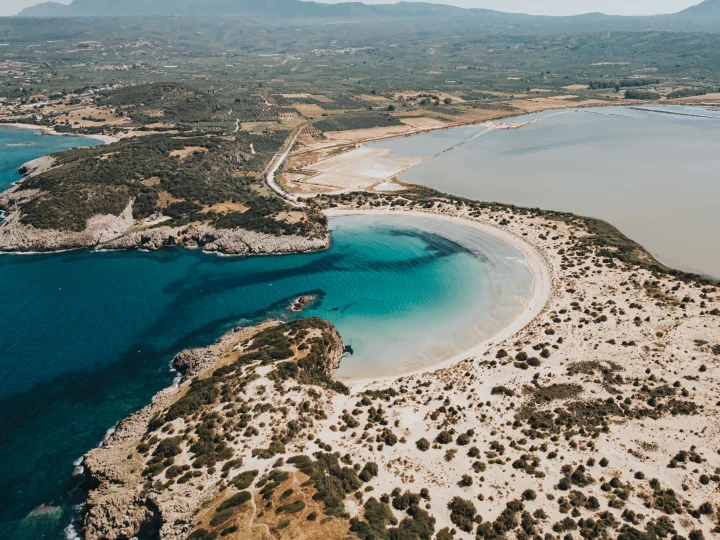
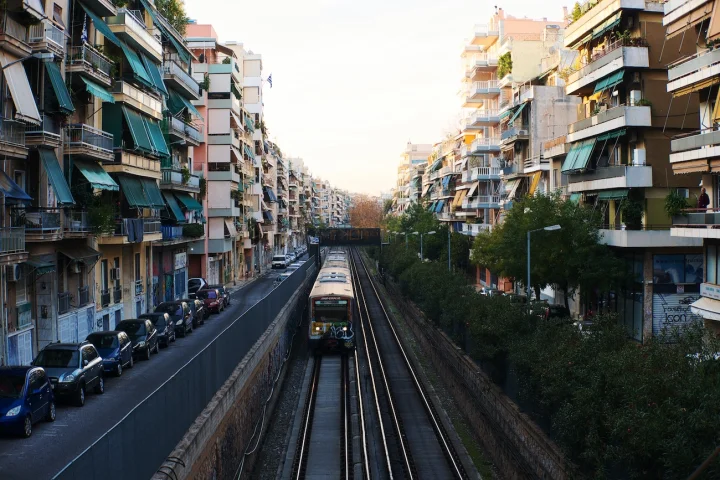
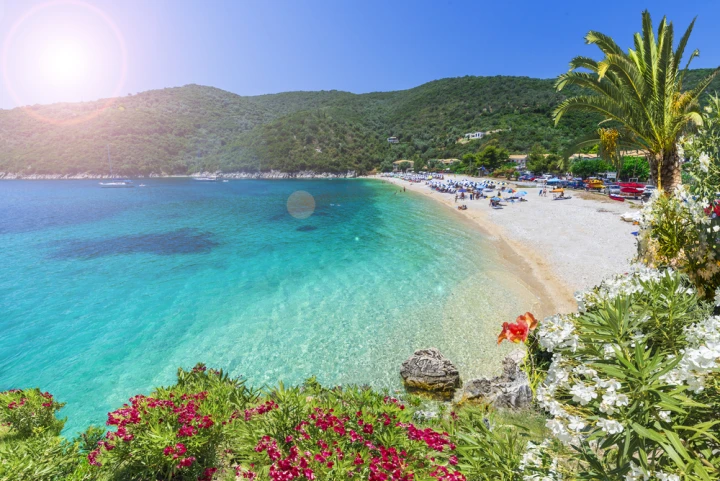
McCabe sheds light on the changes which he has seen in the last 50 years, seeing many areas that were once quiet bays now updated with a road, taverna, and beach umbrellas. He argues that footpaths on the Greek islands are now a great way to promote off-season tourism, but that some islands destroy them. McCabe noticed that each island has its own unique subculture of tourism, depending on its “starting point”. The islands were worlds apart in the past, when you could only visit by sailboat. Each had its own architecture, way of building walls, its own songs and dances, and its own poetry. These traditions are expressed in different ways today through the local tourism offerings.