In Greece, Clean Monday (Καθαρά Δευτέρα / Kathara Deftera) doesn’t feel like a quiet religious date on a calendar. It feels like a reset button you can taste, hear, and—if the wind cooperates—watch drifting across the sky.
Falling right after the last weekend of Apokries (Greek Carnival), Clean Monday marks the end of the carnival season and the beginning of Great Lent, the fasting period leading up to Orthodox Easter, known as Sarakosti.
Why is it called “Clean” Monday?
The “clean” part isn’t about housework (though Greeks are never against a good tidy-up). It points to the idea of spiritual and physical purification as Lent begins—stepping away from heavy foods and excess, and moving into a simpler rhythm.
Koulouma: the outdoor celebration that feels like spring rehearsal
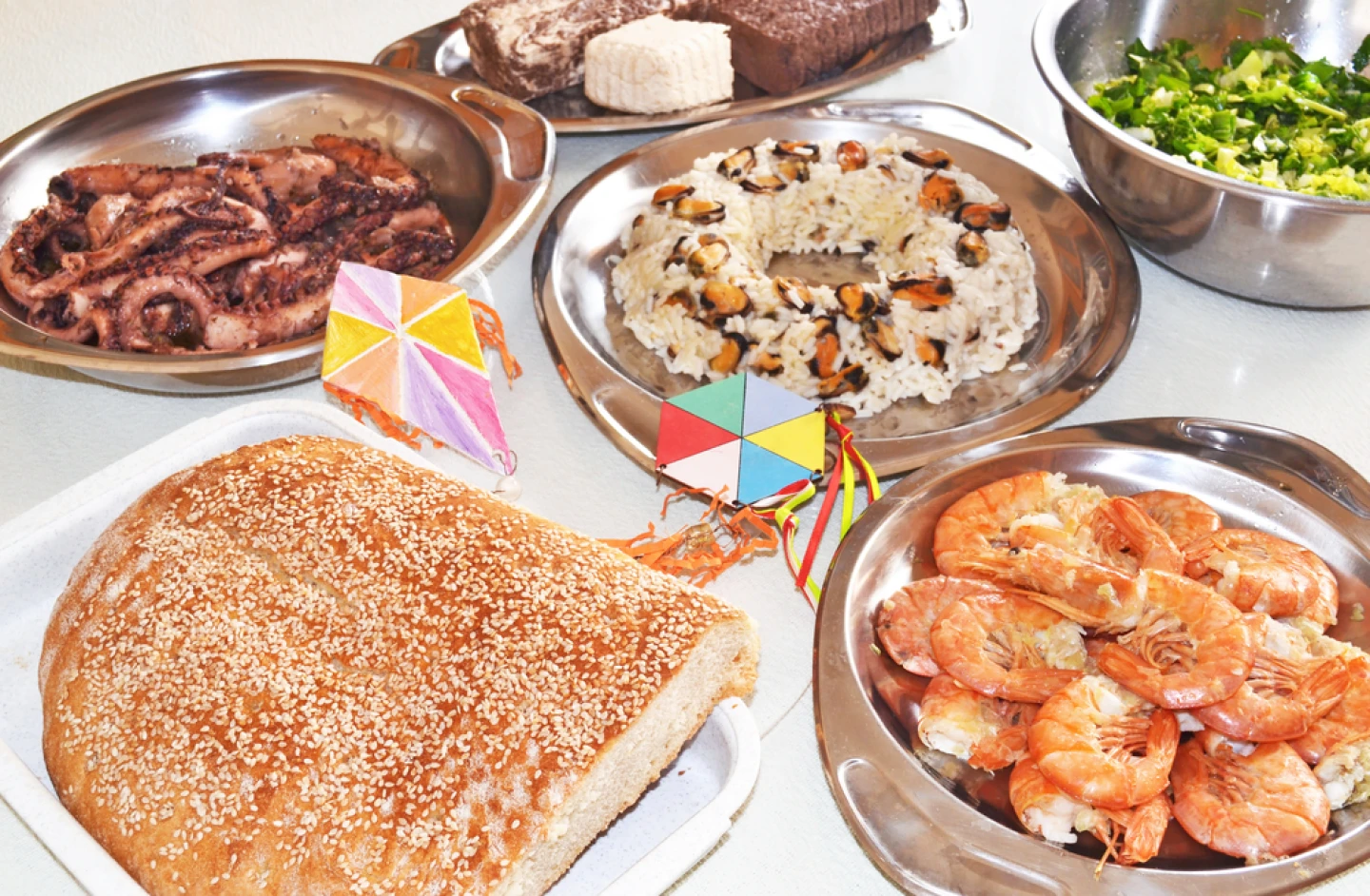
If you hear Greeks say “πάμε Κούλουμα” (let’s go Koulouma), they mean the classic Clean Monday plan: go outdoors, spread out food, and spend the day in the open air. Parks, hills, beaches, village squares—anywhere that can hold a blanket and a group of friends is a candidate. Weather permitting, it becomes a nationwide picnic.
There’s something wonderfully Greek about this contrast: Lent begins, yes—but it begins outside, in daylight, with laughter and shared dishes passed around like a friendly argument: “Try this taramasalata, it’s better than yours.”
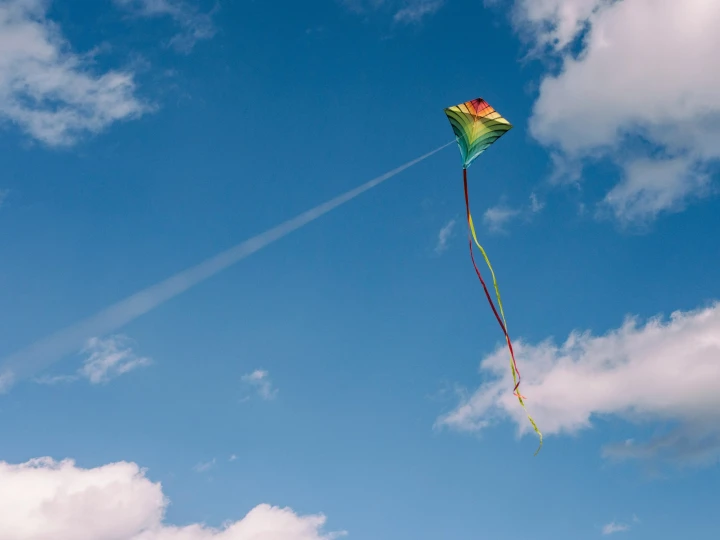
The unofficial main event: kite-flying
Ask most kids what Clean Monday means, and you’ll get the same answer: kite-flying (χαρταετός / chartaeτός).
On this day, the skies over Greece fill with bright, stubborn triangles that refuse to cooperate until the wind suddenly does. Families head out early; someone always insists they don’t need instructions; someone else ends up sprinting heroically across a field like they’re launching a small aircraft. It’s a ritual—equal parts tradition and comedy.
Kite-flying is widely linked to the idea of “lifting” as the fasting period starts, and it’s one of the most recognizable Clean Monday customs across the country.

 History & Culture