


13.10.2026
Corfu Sunset Hills: Your Private Escape Above the Ionian
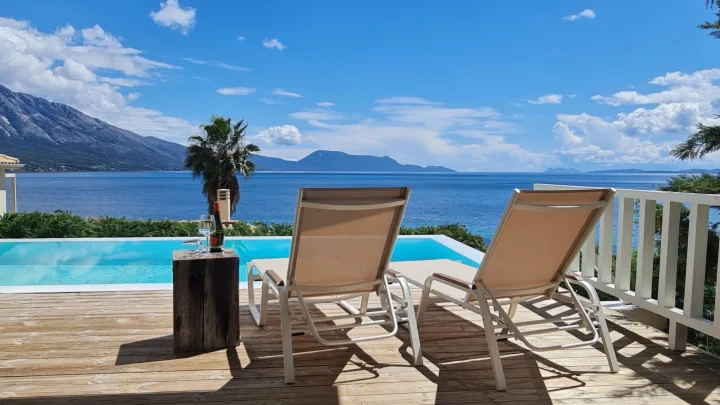
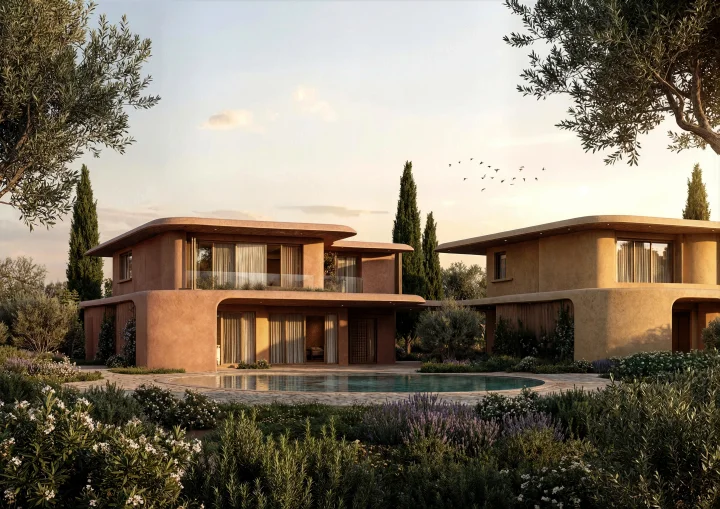
Imagine starting each day with your own private pool, watching the sun rise over the Ionian Sea. This is what life at Corfu Sunset Hills looks like.
Real Estate
21.08.2026
Eva Karolidou
Selling a home in Greece as an international owner brings a set of decisions that might differ from what you may be used to elsewhere in Europe. The contract stage is where most of those decisions are settled. For a seller, the questions that matter most come down to a few things: how much you receive, when the money reaches you, when the sale completes, and what happens if the deal runs into trouble. Get these right in the agreement, and the rest of the process is far easier to manage. Whether you are selling a holiday home in Crete or a coastal property in Corfu, the points below are the ones worth focusing your attention on.
The payment structure is the core of any sale agreement. In Greece, a buyer commonly pays a deposit of 5% to 10% of the price when the Private Purchase Agreement (PPA) is signed. This reserves the property and takes it off the market. The deposit also sets the consequences if either side pulls out. If the buyer withdraws after signing, they usually lose the deposit. If the seller withdraws, they may have to return the deposit and pay a further amount of the same size. This balance is standard under Greek practice and protects both parties. The balance of the price is usually tied to clear milestones, such as the completion of any agreed steps and the final signing at the notary. It is worth agreeing exact amounts, dates, and the conditions under which each payment is released, so there is no room for confusion later.
As a seller, it helps to be clear not only on when you are paid, but on how. This matters more for international owners, who often need the funds to reach an account outside Greece. Points worth settling in advance include the account the payment goes to, the currency, and the method of transfer. Where payment is staged, the agreement can set out what triggers each release. The final payment typically lands at, or shortly after, the signing of the notarial deed. Agreeing these details early avoids last-minute delays at completion, when both sides simply want the transfer to go through.
The timeline is one of the most useful things to pin down. As a seller, you want a reasonable sense of when the sale will complete, rather than an open-ended wait. A buyer's funding has a direct effect here. A cash buyer can usually move quickly. A buyer relying on a Greek mortgage may need longer, and international buyers can face extra steps such as document translation and authentication. If a buyer indicates they need several months to arrange the funds, that is a point to negotiate openly: the amount, the way payment is made, and the period allowed. Greek procedures also run at their own pace. Document preparation, notary scheduling, and any authentication all take time. If you are completing remotely through a power of attorney, it is sensible to allow a little extra room. Building realistic buffers into the agreed dates keeps the timeline honest for both sides.
Even a well-prepared sale can run into problems, so it is worth knowing your position from the start. The agreement can set out what happens if the buyer cannot pay, or if either party needs to step away. This is where the deposit and any penalty terms come into play. Knowing in advance how a cancellation is treated, and what either side owes if it happens, removes a great deal of uncertainty. Vague wording here tends to favour whoever is most willing to argue. Clear terms protect both parties. This is also the clearest reason to have a lawyer on your side.
Our in-house legal team handles the contract, the negotiations on deposit and terms, and the full documentation, so your rights and obligations are set out plainly before you commit to anything. We have been guiding international owners through property sales in Greece since 1991.
If you would like to talk through your own situation, our legal team is here to help.
Disclaimer: This content is for informational purposes only and does not constitute legal or tax advice. For matters specific to your situation, we recommend consulting a lawyer, accountant, or notary as appropriate.
13.10.2026
Imagine starting each day with your own private pool, watching the sun rise over the Ionian Sea. This is what life at Corfu Sunset Hills looks like.
13.10.2026
Housing investment in Greece has grown almost sevenfold since 2017, according to the Hellenic Statistical Authority (ELSTAT).
07.10.2026
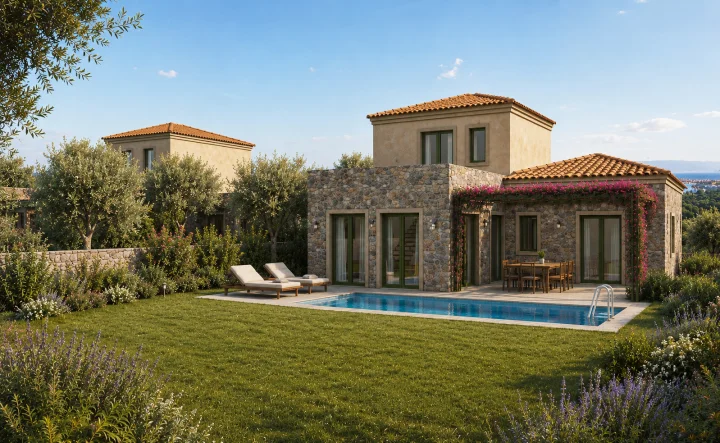
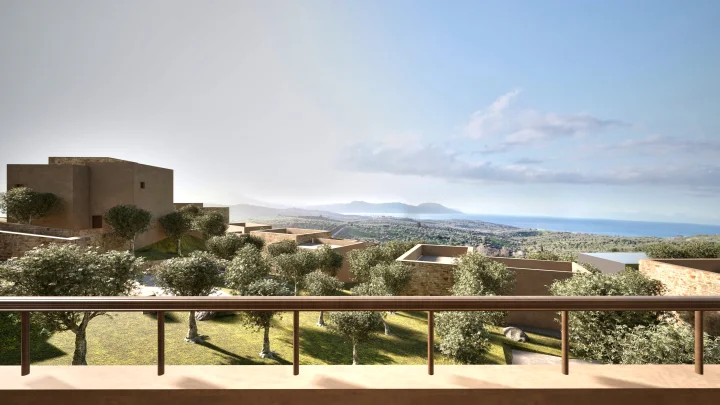
A project shaped by the landscape rather than the trend: natural stone, earth-toned plaster and olive groves, with the Messinian Gulf on the horizon. In Avramio, a living village in the countryside outside Kalamata, four villas bring together the building traditions of the region and the comfort of a modern, energy-efficient home.
06.10.2026
Good properties in Greece don't stay on the market for long, and a free Elxis account puts you one step ahead. Tell us once what you're looking for, and you'll receive an email as soon as a matching home is listed, a property on your favourites list drops in price, or a new off-plan project goes live in its early stages.
13.08.2026
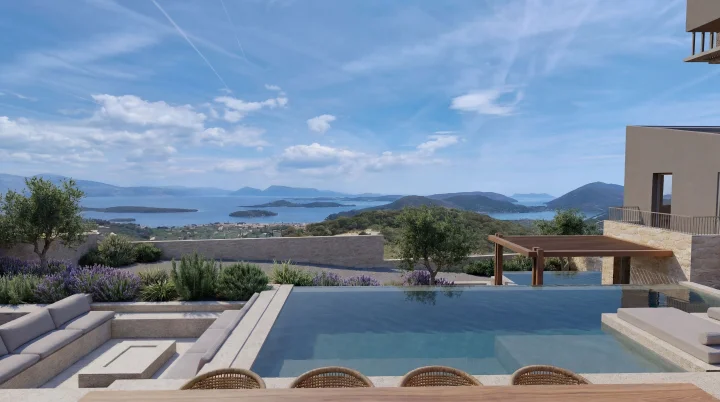
At Lefkas Panorama, location beats all. Wake up in your own private villa above Nydri to sweeping views of Vlycho Bay, Nydri, Madouri and Skorpios, an exclusive panorama of Lefkada’s iconic east coast, with your own pool and garden.
30.07.2026
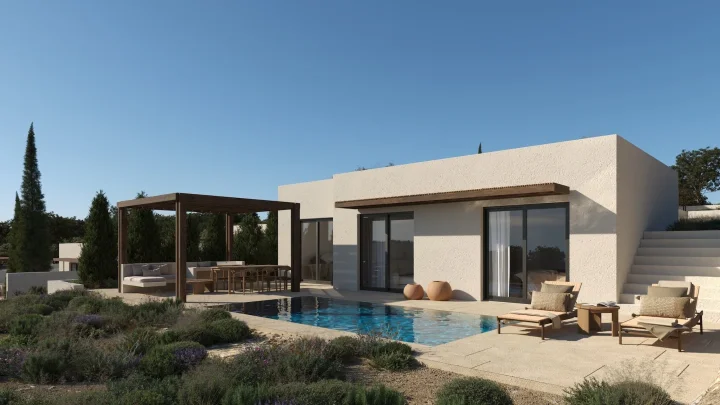
In the tranquil setting of Fanes, northern Rhodes, these villas redefine island living. A limited collection of nine villas with sea and sunset views, less than 2 km from the beach, 20 minutes to the airport, and a quick drive to Rhodes Town. Set on a hillside plot, on the edge of Fanes Village, each villa is positioned to make the most of the natural light, views, and privacy on the west coast of Rhodes. The plot is flanked by patches of greenery, further enhancing the sense of serenity.
13.07.2026
A project shaped by motion rather than convention: the movement of the Greek sea, translated into architecture. Its lines rise and fall like the waves that inspired them, forming a modern, high-quality construction where comfort, functionality, and outstanding performance meet without compromise. Just minutes from Chania and the sandy beaches along the coast of Northern Crete, close enough to feel the sea before you even see it. Three villas, each one extraordinary in its own right: a rare fusion of design, setting, and craftsmanship.
19.06.2026
Above Rethymno, in the protected village of Kyrianna, a small development blends traditional Cretan architecture with modern comfort. Olivion Villas is a collection of eleven homes set among olive groves, each with a private pool and views towards the Cretan Sea. With only eleven villas in total, the development stays small and private. The village sits close at hand, and the coast is a short drive away.