Zakynthos, also known as Zante, is renowned for its dramatic coastlines, world-famous Shipwreck Beach, spectacular Blue Caves, and vital role in protecting endangered loggerhead turtles. This stunning Greek island in the Ionian Sea combines pristine beaches with rich Venetian heritage, making it one of Greece’s most photographed and beloved destinations for both tourists and property investors.
What makes Zakynthos different from other Greek islands?
Zakynthos stands apart through its unique combination of dramatic limestone cliffs, pristine white-sand beaches, and well-preserved Venetian architecture. Unlike the volcanic landscapes of Santorini or the whitewashed Cycladic style of Mykonos, this Ionian Sea gem features lush green hills, hidden sea caves, and some of the Mediterranean’s clearest turquoise waters.
The island’s Venetian influence, dating from centuries of rule by the Republic of Venice, creates a distinctive architectural character. Traditional stone buildings with arched windows and ornate balconies line the harbour town, while the countryside reveals olive groves and vineyards that have flourished in the island’s fertile soil. The western coastline offers some of Europe’s most spectacular cliff formations, creating natural viewing platforms hundreds of metres above the sea.
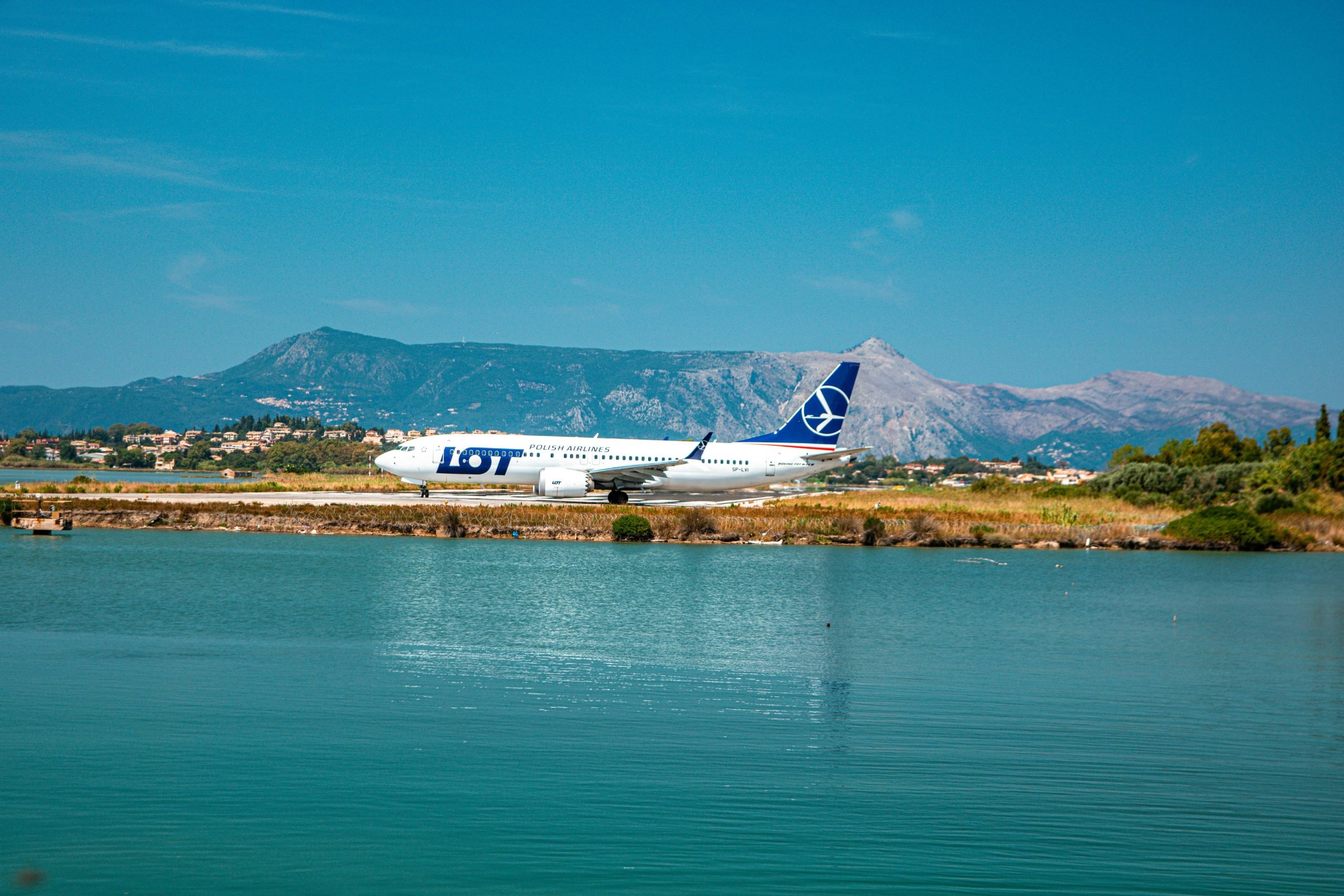
Zakynthos also benefits from excellent connectivity, with direct flights from major European cities and regular ferry connections to the Greek mainland. This accessibility, combined with a well-developed tourism infrastructure, makes it more convenient for visitors than many remote Greek islands while maintaining its natural beauty and authentic character.
Why is Shipwreck Beach the most famous attraction in Zakynthos?
Navagio Beach gained international fame through the dramatic 1980 shipwreck of the MV Panagiotis, a smuggler’s vessel that ran aground on the pristine white-sand beach. The rusted hull remains perfectly preserved against a backdrop of towering limestone cliffs, creating one of the world’s most photographed beach scenes.
The beach’s remote location, accessible only by boat, adds to its mystique and exclusivity. Visitors must take organised boat trips from Porto Vromi or Zakynthos Town, with journey times ranging from 30 minutes to over an hour depending on departure point. The dramatic approach by sea, passing beneath 200-metre-high cliffs, builds anticipation before revealing the iconic wreck nestled in the pristine cove.
Social media has amplified Shipwreck Beach’s fame exponentially. The contrast between the rusted vessel, brilliant white pebbles, and impossibly blue waters creates an instantly recognisable image that appears across travel magazines, Instagram feeds, and tourism campaigns worldwide. The nearby viewing platform at the cliff top offers equally stunning panoramic views, allowing visitors to capture the complete scene from above.
What are the Blue Caves and how do you visit them?
The Blue Caves are spectacular natural sea grottos carved into Zakynthos’s northern coastline, famous for their ethereal blue illumination created when sunlight reflects off the white limestone seabed through crystal-clear water. This natural lighting effect transforms the cave interiors into glowing blue chambers that appear almost supernatural.
These geological formations developed over millennia through wave erosion of the soft limestone cliffs. The caves vary in size from small alcoves to vast chambers large enough for boats to enter. The most impressive caves feature natural arches and windows that frame views of the open sea while maintaining the magical blue glow that gives them their name.
Visiting requires joining organised boat tours from Agios Nikolaos port or Cape Skinari, as the caves are only accessible by sea. Tours typically last 2–3 hours and include swimming opportunities in the illuminated waters. The optimal viewing time is late morning to early afternoon, when the sun’s angle creates the most intense blue effects. Smaller boats can navigate deeper into the cave systems, offering more intimate experiences than larger tour vessels.
How important is Zakynthos for sea turtle conservation?
Zakynthos serves as the most important nesting site in the Mediterranean for endangered loggerhead turtles (Caretta caretta), with Laganas Bay hosting approximately 1,300 nests annually. This represents roughly 60% of all loggerhead nesting activity in the Mediterranean basin, making the island crucial for the species’ survival.
The National Marine Park of Zakynthos, established in 1999, protects 135 square kilometres of marine and coastal habitat. Strict regulations govern beach access during nesting season (May to October), with designated areas completely closed to human activity from sunset to sunrise. Beach bars, water sports, and development face significant restrictions to minimise disturbance to nesting females and emerging hatchlings.
Conservation efforts include nest monitoring, hatchling rescue programmes, and public education initiatives. Local organisations work with international researchers to track turtle populations, study migration patterns, and develop protection strategies. The challenge lies in balancing tourism’s economic benefits with wildlife protection, as Laganas Bay also attracts thousands of visitors seeking its sandy beaches and vibrant nightlife. Sustainable tourism practices, including guided turtle-watching tours and educational centres, help visitors appreciate these magnificent creatures while supporting conservation funding.
What should you know about buying property in Zakynthos?
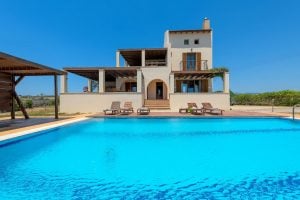
Zakynthos offers excellent opportunities for international property buyers seeking Greek holiday homes, with coastal areas like Tsilivi, Argassi, and Vassilikos proving particularly popular among Northern European investors. The island combines stunning natural beauty with strong rental potential, making it attractive for both personal use and investment purposes.
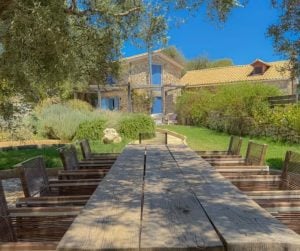
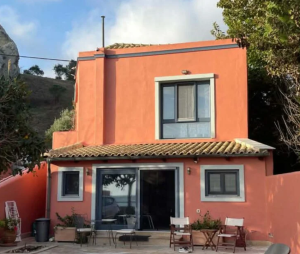
Property types range from traditional stone houses in mountain villages to modern villas with sea views and apartments in resort developments. Coastal properties command premium prices, particularly those with direct beach access or panoramic Ionian Sea views. The transfer tax rate of 3.09% applies to all purchases, calculated on the higher of the purchase price or government-determined objective value.
Foreign buyers should understand that Greece uses an objective value system for tax calculations, with government-set minimum property values that serve as the tax base regardless of the actual purchase price. Recent updates have increased these values significantly, particularly in prime coastal areas. Legal requirements include obtaining a Greek tax number (AFM), engaging a qualified lawyer for due diligence, and registering ownership with the National Cadastre system. For comprehensive assistance throughout the property purchase process, professional guidance can help navigate these complex requirements.
The island’s appeal extends beyond personal enjoyment, as short-term rental regulations allow property owners to generate income through holiday lettings. However, new licensing requirements and registration obligations have been introduced, requiring property owners to obtain proper permits and comply with safety standards for rental operations.
When is the best time to visit Zakynthos and what can you expect?
The optimal visiting period for Zakynthos spans May through October, with peak season occurring during July and August when temperatures reach 30°C and rainfall becomes virtually non-existent. However, the shoulder seasons offer distinct advantages, including lower accommodation costs, fewer crowds, and more comfortable temperatures for exploration.
May and June provide excellent weather conditions, with average temperatures of 22–26°C, perfect for hiking, sightseeing, and water activities. Most hotels, restaurants, and tour operators open for the season, while accommodation prices remain reasonable. This period also coincides with turtle nesting season, offering unique wildlife viewing opportunities.
September and October extend the pleasant weather, with sea temperatures remaining warm from summer heating. These months attract visitors seeking a quieter experience while maintaining access to most facilities and services. October can experience occasional rainfall, but sunny days remain common and crowds diminish significantly.
Winter months (November through March) see most tourism facilities close, though the island maintains its natural beauty with mild temperatures averaging 12–16°C. This period suits those seeking authentic local culture and dramatic storm-watching opportunities along the western cliffs, though accommodation options become limited and many attractions operate reduced schedules.
Whether you’re drawn to Zakynthos for its natural wonders, investment potential, or simply the allure of owning property in one of Greece’s most beautiful locations, understanding the island’s unique characteristics helps you make informed decisions. To explore the current properties available in Zakynthos or for personalised guidance on property opportunities and legal requirements for international buyers, we invite you to contact our experienced team.
Disclaimer: This content is for informational purposes only and does NOT constitute legal or tax advice. For any issues relating to specific cases, it is highly recommended to consult a lawyer, an accountant, or a notary, depending on your needs.